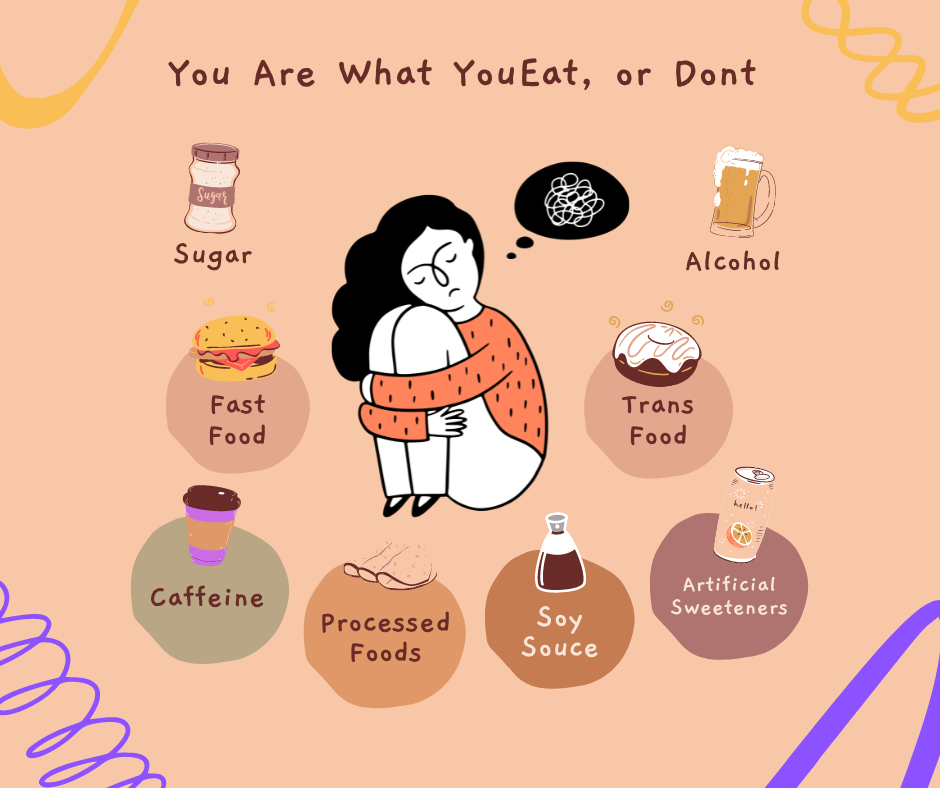
Depression and Food: What Studies Show


Depression and Food

Not all antidepressants come in a pill. A new study suggests that food can dramatically enhance your mood. Researchers at Deakin University in Australia, tested the theory on a group of participants with unhealthy diets who experienced moderate to severe depression. Half were asked to switch to a modified Mediterranean diet and nutritional counseling, while the other half continued their usual eating habits.

After 12 weeks, the Mediterranean-style diet group had significantly fewer symptoms, and 32% were in full remission. The other half, who received only social support, showed far less progress. While these results are dramatic, you don’t have to be clinically depressed to reap the benefits of eating more produce. Another study at the University of Otago in New Zealand, found that extra servings of vegetables and fruits boosted the psychological wellbeing of healthy young adults in just 2 weeks.

See how changing your diet could cheer you up. Run through this list, then plan a  visit to your local grocer or farmers market.

Fighting Depression with What You Eat

  1. Focus on whole foods. Fill up on natural foods that are full of nutrients and fiber that your body needs. Aim for at least 5 servings of vegetables and fruits each day, along with plenty of lean protein and healthy fats.
  2. Limit processed fare. The other side of the equation is to cut back on junk food loaded with empty calories and sugar. That includes beverages as well as solid food.
  3. Toss a salad. Leafy green vegetables contain folate, which may relieve depression, as well as reducing your risk for certain cancers. Add a handful of beans or shrimp to your salad to make it a balanced meal.
  4. Ferment it. Probiotic and prebiotic nutrients are gaining a lot of attention as scientists learn more about how intestinal bacteria affect the brain. Sample fermented dishes like miso soup and kimchi dumplings.
  5. Go fish. Omega-3 fatty acids can also lift your spirits. You can find them in fatty fish like tuna and salmon, as well as soybeans, spinach, and walnuts.
  6. Enjoy chocolate. What could be easier than eating chocolate? Dark chocolate contains serotonin and antioxidants that help reduce stress. Be sure to watch portion sizes and check labels for actual cocoa content.

Fighting Depression with How You Eat

  1. Cook vegetables lightly. Cauliflower and carrots are even more nutritious when you prepare them quickly in minimal water. Try steaming or microwaving.
  2. Seek variety. Different produce contains different vitamins. If you eat a variety of colors, you’re likely to wind up with a good balance.
  3. Eat in. It’s easier to control what you’re consuming if you’re doing the cooking yourself, because restaurants tend to add more fat, salt, and sugar. Brush up on your kitchen skills and bring your lunch to work.
  4. Treat yourself. Forget about forbidden foods and allow yourself an occasional indulgence. It will make it easier to stick to your diet in the long run.
  5. Keep a journal. Strong feelings like depression or happiness can affect your food choices. If you struggle with emotional eating, write down what you eat and what’s going on at the time. You’ll be able to spot your triggers and figure out alternative approaches.
  6. Make friends with food. Strict diets can make you feel deprived or guilty. Remember that food nourishes your body and mind, and eating can be a lot of fun.

If you think you have signs of depression, it’s important to talk with your doctor who may recommend talk therapy and medication, in addition to any dietary changes. If you just want a little more energy and happiness, extra broccoli and blackberries may be all you need.

To Your Success,
Juan

Changing Habits


Now that we have a working knowledge about SMART goals, it’s time to focus on the baby steps to meeting your goals.  Some people lose weight through intermittent fasting and adopting new diets. Others try to make such major changes, but they start missing their afternoon candy bar or go-to snacks. Pretty soon, they revert to old habits and wind up gaining back the pounds they lost and more.
If you’re tired of watching your weight fluctuate, you may need a more gradual approach. Little changes add up, until you see a big difference on your bathroom scale. In fact, minor adjustments are often more sustainable because they suit your lifestyle. See how easy it can be to slim down, starting with these simple things to incorporate into your diet and workouts.

Small Eating Habits That Help You Lose Weight

  1. Cook more. Preparing your own food allows you to control the ingredients. Restaurant meals tend to have more calories, salt, and sugar. That’s true whether you’re eating at a fast-food outlet or a fancy bistro.
  2. Plan your meals. Write out a menu for your daily meals and snacks. You’ll be able to tell at a glance if you’re getting all your required nutrients, and you’ll probably eat less.
  3. Stock your kitchen. Keep healthy snacks on hand, along with staples for light meals. You can make room for good things by getting rid of junk food.
  4. Increase your fiber. Some studies suggest that eating more fiber is the single most significant change you can make in your diet. The top sources include split peas, lentils, and black beans.
  5. Boost your protein. Foods rich in protein fill you up and recharge your metabolism. Plus, your body has to burn more calories to digest them, compared to carbohydrates and fats. Include some protein in each meal and snack.
  6. Eat breakfast. Refueling in the morning helps to prevent excessive eating later in the day. Start out with something hearty and nutritious, like Greek yogurt with berries and nuts or a bean burrito.
  7. Control portions. Forbidden foods can become so tantalizing that they lure you off your diet. Reduce your serving sizes so you can enjoy your favorite treats without any guilt.
  8. Focus on whole foods. Make vegetables, fruits, and other natural foods the core of your diet. Cutting back on packaged items will eliminate the most empty calories.
  9. Drink water. Quench your thirst with plain water and tea, instead of beverages loaded with calories. Staying hydrated facilitates digestion.
  10. Be mindful. Slow down and pay attention to what you’re putting on your plate. Your food will be more enjoyable. You will likely notice when you’re full instead of continuing to eat more than you planned.

Small Workout Habits That Help You Lose Weight

  1. Be consistent. A successful exercise plan is one that you can stick to. Select preferred activities, and invite a friend to join you. Aim for at least 250 minutes of moderate-intensity exercise a week if you’re trying to lose weight. That translates into about 35 minutes each day.
  2. Build muscle. Increasing your muscle mass enables you to burn more calories even when you’re at rest. Lift weights or do squats, and pushups with your body weight.
  3. Move your whole body. Speaking of squats and pushups, devote most of your workout sessions to exercises that target your whole body. They’ll burn more calories than smaller movements like bicep curls.
  4. Train in intervals. High-intensity interval training pays off. Alternate between brief bursts of intense activity and even briefer rest periods. For example, run for a few minutes while you’re taking a walk.

Eat healthier one small step at a time. You can shed weight without disrupting your life or feeling deprived. 

Until the next post,
Next,
Juan