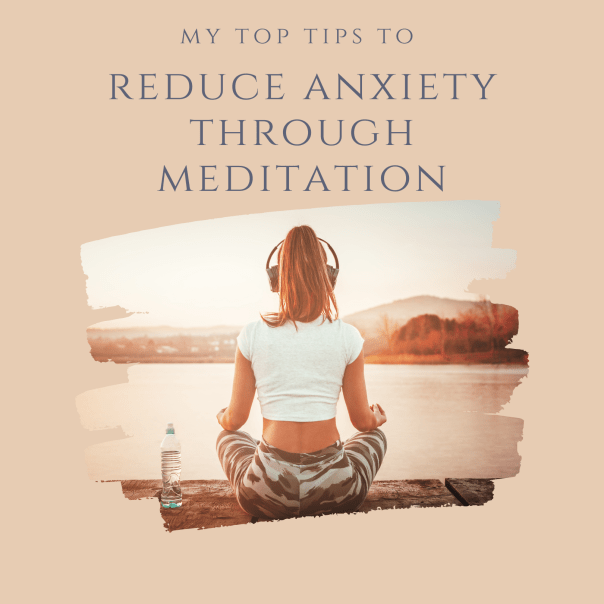
How to End Anxiety Through Meditation


When it comes to using meditation to manage anxiety, multiple studies have reached the same conclusion. Mindfulness can help you to stop worrying. Almost 7 million Americans experience Generalized Anxiety Disorder, and many more have occasional bouts of fretfulness due to pressures at work or home. While you can’t remove the stress from daily life, there are steps you can take to feel more at ease. Try these natural remedies.

Anxiety-Related Benefits of Meditation

Researchers have been studying how meditation affects a wide variety of health issues. The American Medical Association, reported that meditation appears to be most effective in addressing anxiety, depression, and pain management.

  1. Focus on now. Most anxiety tends to be centered on rehashing the past or anticipating the future. Meditation encourages you to engage fully with the present moment. Your attention switches from useless regrets and fears, to constructive endeavors.
  2. Connect with your body. Chronic anxiety takes a toll on your physical health through inflammation and other symptoms. Scanning your body reminds you to lower your shoulders and unfurrow your brow.
  3. Change your brain. Meditation alters your brain so your contentment will grow. Stress hormones decrease and serotonin levels rise. Gray matter enlarges, while the amygdala, which processes fear, shrinks.

How to Meditate to Reduce Anxiety

Meditation can be adapted to suit your individual needs. Take classes or sit at home for free on you own schedule.

  1. Start off gradually. The benefits of meditation can often be seen within a week or two, and even 10 minutes a day pays off. Set aside a brief time each day for contemplation.
  2. Clarify your purpose. You may want to use meditation as part of your spiritual practice or take a completely secular approach. Meditation is not necessarily religious. You can develop greater peace of mind with your own set of beliefs.
  3. Separate facts from feelings. Introspection helps you to distinguish between actual events and your inner thoughts and emotions. As you train yourself to think objectively, you can achieve greater control over your reactions.
  4. Develop insights. Examining your mind also helps you to understand yourself and others. You may discover the root causes of your anxieties and how best to deal with them. Maybe you’ll want to replace negative expectations with a sense of curiosity. Perhaps you’ll pay more attention to the kindness you receive from others instead of conflicts.
  5. See your doctor. While meditation is powerful, your physician may recommend treatments including cognitive therapy and medication if your anxiety persists. You can still practice meditation and other self-care to aid your recovery. Let your doctor know what you’re doing on your own.

Other Natural Anxiety Aids

Meditation is even more productive when you combine it with other healthy lifestyle choices. Take a look at your daily habits.

  1. Eat whole foods. A diet full of processed foods and sugar aggravates anxiety and depression. Get most of your calories from vegetables, fruits, whole grains, healthy fats, and lean proteins.
  2. Limit alcohol and caffeine. Too much coffee may give you the jitters, and self-medicating with alcohol usually backfires. See if cutting back makes a difference.
  3. Exercise more. Physical activity melts away anxiety and stress. That’s especially true for vigorous aerobic workouts like running or rowing. When I am at the gym, I have to force myself to leave. I find working out very addicting.
  4. Rest and relax. Fight anxiety with a good night’s sleep and occasional breaks during the day. Go to bed on a consistent schedule.

If anxiety is interfering with your life, help is available. Achieve greater peace of mind through meditation, and see your doctor if you need additional support. You tube has a lot of free meditation guides and resources.

To Your Success,
Juan
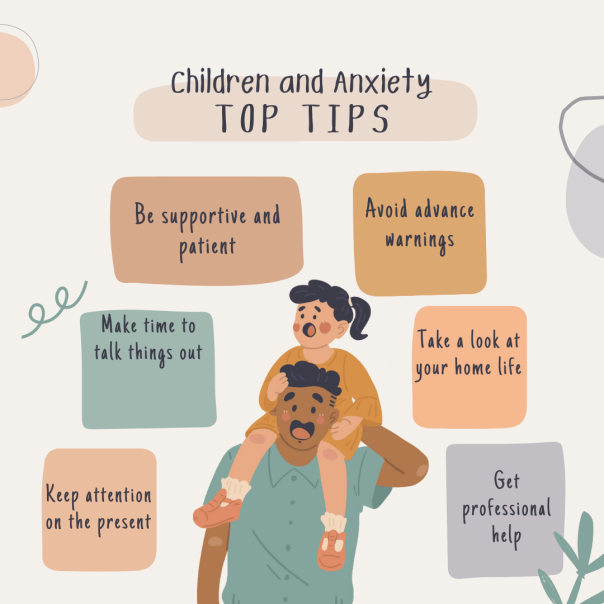
7 Tips to Help Your Child Deal With Anxiety


If you are the parent of an anxious, shy child, you know the constant worry about how the world is reacting to them. It can be a scary place, and many children have good reason to worry. However, many children worry much more than is reasonable for the situation.

Anxiety isn’t always a bad thing. A person should be worried if they’re in a dangerous situation, for example. Anxiety is protective, but too much or inappropriate anxiety isn’t healthy.

Use these strategies to help your child overcome their anxiety:

  1. Be supportive and patient. It can be frustrating when your child is constantly worried about things that seem meaningless or silly. However, the anxiety they feel is just as real to them, as your anxieties are to you. You don’t get to choose the emotions or fears of other people.
    • Let your child know you’re sensitive to their feelings and are always there to support them.
  2. Avoid giving too much warning about a stressful event. If you know your child stresses out about going to the dentist, it’s best not to announce a dentist appointment three weeks in advance. The morning of the appointment is just fine. For some children, it might be even better to say, “Put on your shoes, we have to go to the dentist.”
    • Too much notice can provide too much time to worry. Figure out how much time your child needs to keep their anxiety at a minimum. Some children appreciate a little time to process what’s going to happen. Every situation and household is different.
  1. Talk it out. Ask your child what they’re worried about and why. Talk about why this fear is or isn’t valid. In other words, look for evidence to prove or disprove the reason for the fear.
    • If the fear is valid, develop a plan together to handle the issue.
    • If the fear isn’t valid, help your child to trust the evidence they found that negates the reason for the anxiety.
  2. Help your child to keep their attention on the present. We can only worry when we project our attention into the future and imagine negative outcomes. This is largely a habit.
    • Teach your child to focus on the present moment and their surroundings. Show your child that it’s more effective to focus on what is, rather than what might be.
  3. Take a look at your home life. Is your home life stressful for your child? Do you and the other parent get along well, or is there a lot of tension and arguing? Are there financial pressures in the household, the child is aware of?
    • Children might give the impression that they’re not listening, but they are surprisingly adept at figuring out what’s going on.
  4. Avoid avoidance. You might think you’re being nice if you help your child to avoid everything that causes them to feel anxious, but you’re actually contributing to the issue.
    • Each time your child is allowed to avoid the situation due to anxiety, there’s a part of her brain that says, “Hmmmm. If I make her feel anxious, we can get out of doing these things.”
    • The brain quickly learns what works. Next time, the anxiety will be even stronger. The brain will continue turning up the volume, until it’s satisfied.
    • Avoiding a stressor brings relief, which is very rewarding. The urge to avoid only becomes stronger as it’s reinforced.
    • Be supportive but avoid letting them off the hook.
  5. Get professional help. It’s very challenging for a parent to effectively help a child with moderate to severe anxiety issues. It’s likely that professional help will be useful. Find a therapist or psychologist that specializes in children of your child’s age.

Many children suffer from worry. They’re under a lot of social scrutiny at school, and kids can be cruel. They have little control over their lives. Most aspects of their lives are controlled by parents or teachers.

If your child is anxious, it can be heartbreaking to see them worry all of the time. It can also be frustrating when their worries seem pointless to you. Be supportive, patient, and get professional help if your efforts prove to be insufficient. 

Got a partner who suffers from anxiety? You’ll want to look out for the next post.

To Your Success,
Juan