Let’s Talk About Stress


Growing up, you heard friends and family lamenting about being “stressed out”. Then came the moment you experienced it first hand. Stress is a part of life, but where does stress come from?  What is the origin of stress?.

Where Does Stress Originate?
If you ask 10 people where their stress comes from, they’re likely to mention kids, family, work, and especially money.  These are stress factors that are common.  Yet, these are causes of stress but not where the stress actually comes from.  

There are many different schools of thought. The fact of the matter is that stress is our body’s response to the demands that we place on it.  The demands may be physical, mental, or emotional in nature and when we place these demands on our body, chemicals and hormones like Cortisol and Neuropeptide Y are released into our bodies and then we feel stressed. 

Stressful Thinking Leads to Stressful Feelings
Some believe that stress can stem from our own minds.  This is true to some extent because we can cause stress through our worries, fears, and anxiety.  

We often get into the habit of negative thinking where we can somehow convince ourselves about things that are untrue. For example, have you ever convinced yourself that you aren’t good enough, smart enough, or pretty enough to do something? This negative self-talk creates stress within our own minds. Unfortunately, these thoughts are going on unbeknownst to us because we have come to accept our negative thoughts as truth, even when it’s far from it. This is precisely why we need to begin to tame our negative thoughts and replace them with positive truths.

Stress is a normal part of life so we’ll never be able to escape it. What really matters is how we deal with stress, but we all experience stress differently; hence there’s no universal stress treatment!

Dealing with Stress
As we now know, stress is a bodily response to the pressures and demands that we place on ourselves in every day life.  To limit the negative effects of stress – such as heart attack, breathing problems, reproductive problems, and stomach problems – you need to learn how to actively manage your stress.  There are many simple stress coping strategies that you can employ such as:

  •  Getting more exercise
  •  Using positive self-talk
  •  Getting more restful sleep
  •  Eating a healthier diet
  •  Knowing your work limits
  •  Saying no when you need to
  •  Asking for help
  •  Creating time for fun
  •  Using positive imagery
  •  Employing deep breathing techniques
  •  Listening to calming music
  •  Clearing your life and workspace of clutter
  •  Keeping things simple

These are all effective ways to deal with the stress in your life, however, you need to remember that the goal is to proactively manage your stress.  If you react to your stress, you’ll be spending most of your time putting out fires.  Instead, if you constantly implement just a few of these stress management techniques, you will live a healthier, happier, and more productive life!

Over the next several weeks you can expect more articles on the subject, including how, in some instances, stress can be good for you! Other topics will include ways to manage and limit the amount of stresses in our daily lives. Hope to have you.

To Your Success,

Juan
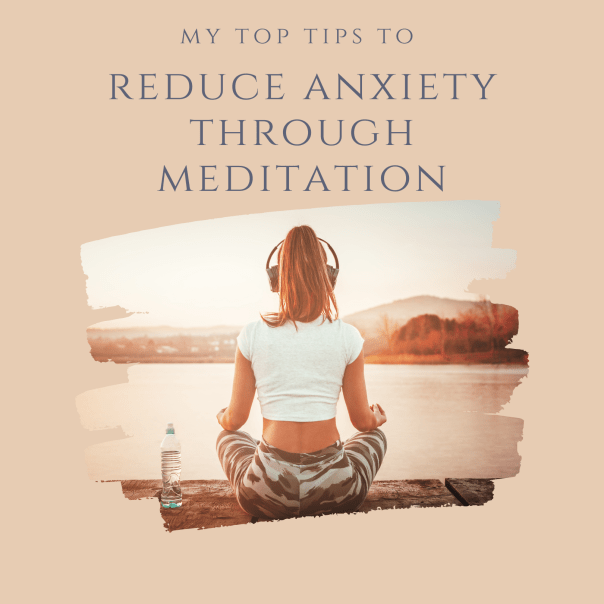
 

How to End Anxiety Through Meditation


When it comes to using meditation to manage anxiety, multiple studies have reached the same conclusion. Mindfulness can help you to stop worrying. Almost 7 million Americans experience Generalized Anxiety Disorder, and many more have occasional bouts of fretfulness due to pressures at work or home. While you can’t remove the stress from daily life, there are steps you can take to feel more at ease. Try these natural remedies.

Anxiety-Related Benefits of Meditation

Researchers have been studying how meditation affects a wide variety of health issues. The American Medical Association, reported that meditation appears to be most effective in addressing anxiety, depression, and pain management.

  1. Focus on now. Most anxiety tends to be centered on rehashing the past or anticipating the future. Meditation encourages you to engage fully with the present moment. Your attention switches from useless regrets and fears, to constructive endeavors.
  2. Connect with your body. Chronic anxiety takes a toll on your physical health through inflammation and other symptoms. Scanning your body reminds you to lower your shoulders and unfurrow your brow.
  3. Change your brain. Meditation alters your brain so your contentment will grow. Stress hormones decrease and serotonin levels rise. Gray matter enlarges, while the amygdala, which processes fear, shrinks.

How to Meditate to Reduce Anxiety

Meditation can be adapted to suit your individual needs. Take classes or sit at home for free on you own schedule.

  1. Start off gradually. The benefits of meditation can often be seen within a week or two, and even 10 minutes a day pays off. Set aside a brief time each day for contemplation.
  2. Clarify your purpose. You may want to use meditation as part of your spiritual practice or take a completely secular approach. Meditation is not necessarily religious. You can develop greater peace of mind with your own set of beliefs.
  3. Separate facts from feelings. Introspection helps you to distinguish between actual events and your inner thoughts and emotions. As you train yourself to think objectively, you can achieve greater control over your reactions.
  4. Develop insights. Examining your mind also helps you to understand yourself and others. You may discover the root causes of your anxieties and how best to deal with them. Maybe you’ll want to replace negative expectations with a sense of curiosity. Perhaps you’ll pay more attention to the kindness you receive from others instead of conflicts.
  5. See your doctor. While meditation is powerful, your physician may recommend treatments including cognitive therapy and medication if your anxiety persists. You can still practice meditation and other self-care to aid your recovery. Let your doctor know what you’re doing on your own.

Other Natural Anxiety Aids

Meditation is even more productive when you combine it with other healthy lifestyle choices. Take a look at your daily habits.

  1. Eat whole foods. A diet full of processed foods and sugar aggravates anxiety and depression. Get most of your calories from vegetables, fruits, whole grains, healthy fats, and lean proteins.
  2. Limit alcohol and caffeine. Too much coffee may give you the jitters, and self-medicating with alcohol usually backfires. See if cutting back makes a difference.
  3. Exercise more. Physical activity melts away anxiety and stress. That’s especially true for vigorous aerobic workouts like running or rowing. When I am at the gym, I have to force myself to leave. I find working out very addicting.
  4. Rest and relax. Fight anxiety with a good night’s sleep and occasional breaks during the day. Go to bed on a consistent schedule.

If anxiety is interfering with your life, help is available. Achieve greater peace of mind through meditation, and see your doctor if you need additional support. You tube has a lot of free meditation guides and resources.

To Your Success,
Juan