
Not all antidepressants come in a pill. A new study suggests that food can dramatically enhance your mood. Researchers at Deakin University in Australia, tested the theory on a group of participants with unhealthy diets who experienced moderate to severe depression. Half were asked to switch to a modified Mediterranean diet and nutritional counseling, while the other half continued their usual eating habits.
After 12 weeks, the Mediterranean-style diet group had significantly fewer symptoms, and 32% were in full remission. The other half, who received only social support, showed far less progress. While these results are dramatic, you don’t have to be clinically depressed to reap the benefits of eating more produce. Another study at the University of Otago in New Zealand, found that extra servings of vegetables and fruits boosted the psychological wellbeing of healthy young adults in just 2 weeks.
See how changing your diet could cheer you up. Run through this list, then plan a visit to your local grocer or farmers market.
Fighting Depression with What You Eat
- Focus on whole foods. Fill up on natural foods that are full of nutrients and fiber that your body needs. Aim for at least 5 servings of vegetables and fruits each day, along with plenty of lean protein and healthy fats.
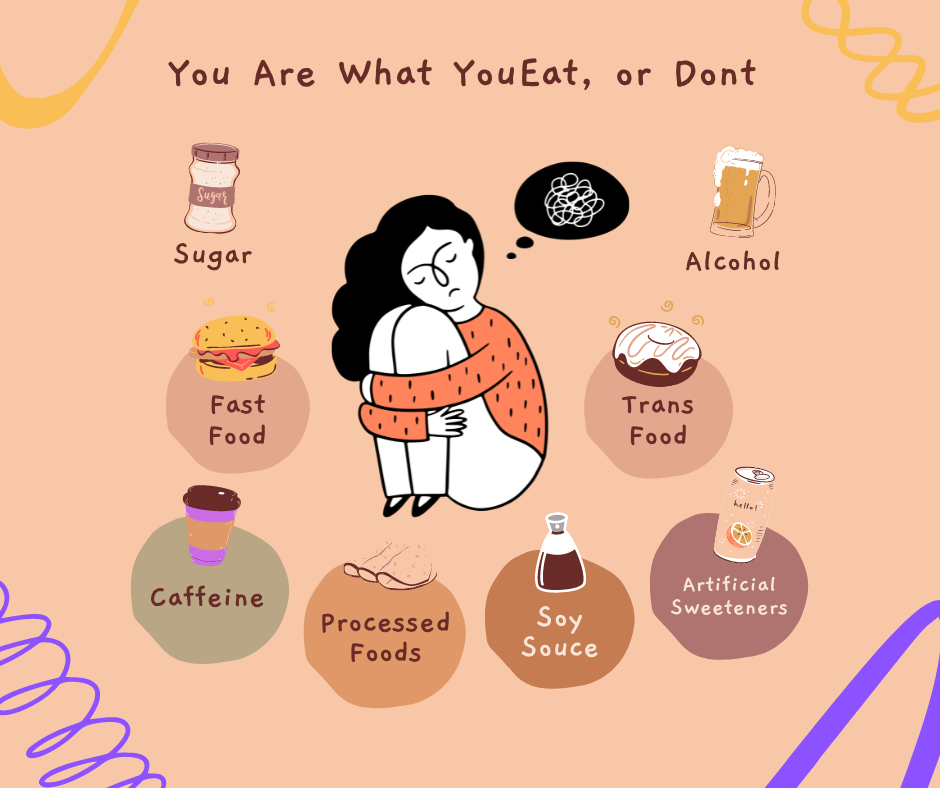
- Limit processed fare. The other side of the equation is to cut back on junk food loaded with empty calories and sugar. That includes beverages as well as solid food.
- Toss a salad. Leafy green vegetables contain folate, which may relieve depression, as well as reducing your risk for certain cancers. Add a handful of beans or shrimp to your salad to make it a balanced meal.
- Ferment it. Probiotic and prebiotic nutrients are gaining a lot of attention as scientists learn more about how intestinal bacteria affect the brain. Sample fermented dishes like miso soup and kimchi dumplings.
- Go fish. Omega-3 fatty acids can also lift your spirits. You can find them in fatty fish like tuna and salmon, as well as soybeans, spinach, and walnuts.
- Enjoy chocolate. What could be easier than eating chocolate? Dark chocolate contains serotonin and antioxidants that help reduce stress. Be sure to watch portion sizes and check labels for actual cocoa content.
Fighting Depression with How You Eat
- Cook vegetables lightly. Cauliflower and carrots are even more nutritious when you prepare them quickly in minimal water. Try steaming or microwaving.
- Seek variety. Different produce contains different vitamins. If you eat a variety of colors, you’re likely to wind up with a good balance.
- Eat in. It’s easier to control what you’re consuming if you’re doing the cooking yourself, because restaurants tend to add more fat, salt, and sugar. Brush up on your kitchen skills and bring your lunch to work.
- Treat yourself. Forget about forbidden foods and allow yourself an occasional indulgence. It will make it easier to stick to your diet in the long run.
- Keep a journal. Strong feelings like depression or happiness can affect your food choices. If you struggle with emotional eating, write down what you eat and what’s going on at the time. You’ll be able to spot your triggers and figure out alternative approaches.
- Make friends with food. Strict diets can make you feel deprived or guilty. Remember that food nourishes your body and mind, and eating can be a lot of fun.
If you think you have signs of depression, it’s important to talk with your doctor who may recommend talk therapy and medication, in addition to any dietary changes. If you just want a little more energy and happiness, extra broccoli and blackberries may be all you need.
To Your Success,
Juan
 Chindeepinlife