Things You Likely Didn’t Know About The Types Of PTSD


Welcome back!

Although major symptoms are similar across the board, there are different types of PTSD. Depending on type, symptoms may be more severe or long-lasting, or they may require different types of therapeutic treatments. Given how detailed my last two posts concerning the subject matter might be, don’t be afraid to take it all in small, bite sized pieces.

COMPLEX PTSD
PTSD may have become more familiar to the common person, but there is a lesser-known variation of PTSD called complex PTSD (c-PTSD). The traditional form of PTSD may emerge after a single traumatic event. An example may be a life-threatening car crash. A person who lived through a car crash may find themselves afraid of driving, avoid getting in the car or driving in traffic, and have other symptoms associated with PTSD.

C-PTSD, on the other hand, is the result of repeated or ongoing traumatic events. Those who develop c-PTSD may have suffered ongoing childhood abuse, neglect, or repeatedly witnessed violence acted out on someone else.  C-PTSD is more often associated with people who experience trauma in their childhood. It affects development, since they’re exposed to trauma during a highly developmental time in their life. This term is not in the DSM-5, but it is a term that mental health workers use to help describe the difference between someone who has experienced a single traumatic event, and one that has experienced chronic trauma, especially in childhood. 

Symptoms of c-PTSD are similar to PTSD, but they also include additional behavioral differences:

  • Negative self-view. Those with c-PTSD may think very poorly of themselves or may carry ongoing feelings of guilt, shame, and helplessness.
  • Trouble controlling or regulating emotions. An explosive temper, given easily to sadness, or even have feelings of depression or suicidal thoughts.
  • Difficulty developing or maintaining relationships. Trouble trusting others and will avoid starting relationships.
  • Dissociative symptoms. Disconnected thoughts, memories, actions, difficulty concentrating, and identity.  Some develop alternative identities. It’s a brain’s defense mechanism that tries to escape reality. Some people may also suffer from amnesia. Therapy can help people diagnosed with c-PTSD, but it’s usually a longer process and takes more effort from a therapist and patient to undo the damage done in childhood.

POST-TRAUMATIC STRESS
PTS or Post Traumatic Stress is actually not a type of PTSD, but it could be a precursor for it.  Those with PTS experience many of the same symptoms as PTSD such as avoidance or nightmares. The difference is that those who suffer from PTS experience those symptoms with less severity and for a shorter period of time. People with PTSD will continue showing those symptoms for longer periods of time and with greater intensity. 

According to Dr. James Bender of the Deployment Health Clinical Center: PTS is a common, normal, and often adaptive response to experiencing a traumatic or stressful event. Common occurrences, like car accidents, can trigger PTS as well as more unusual events like military combat or kidnapping. Almost everyone who experiences a scary situation will show at least a few signs of post-traumatic stress. Symptoms from PTS will subside after a few days and they won’t interfere with a person’s life in any meaningful way. The traumatic event may make them more careful in the future, but it won’t stop them from living their life normally.

COMORBID PTSD
Those with comorbid PTSD are people who have both PTSD and another mental disorder. In this case, someone may have PTSD and depression, or PTSD and generalized anxiety disorder. Anxiety, depression, and substance abuse are the most common types of comorbidity with PTSD. It’s estimated that as much as 80% of people with PTSD have another co-occurring psychiatric disability.

Thanks for being here! Your readership of my blog is much appreciated, and I hope it has been a learning experience thus far. PTSD sufferers often exhibit risky behaviors, which often affects their relationships-the focus of the next post.

Hope to have you!

To Your Success,
Juan
Here Is What Experts Say About The Symptoms Of PTSD (pt2)


Welcome Back,

A gentle reminder that this mental health series, is not a diagnostic tool, or replacement for the professional advice you will get from a licensed medical and mental health provider. I work within the demographic of clients with severe and persistent mental health issues, which often go unaddressed for years, whether through failure of the system of lack of action on the individual’s part. My posts are meant to bring general awareness.

Let’s conclude this two part post with the final two of the main symptoms; hyperarousal and negative cognitions and mood symptoms.

Hyperarousal
A symptom that makes someone with PTSD overreact to their outside stimulus. The body goes into high alert thinking about a traumatic event and may make the person feel like they are currently in danger. This feeling can result in a myriad of responses that are confusing to friends and loved ones. Because loved ones aren’t sharing the same feelings of danger, it can be scary or even frustrating to be with someone responding to unseen trauma.

Some of the symptoms of hyperarousal are:

  • Trouble sleeping
  • Outbursts of anger
  • Irritability or ongoing anger
  • Panic
  • Easily startled
  • Difficulty concentrating
  • Always being on guard from threats (hypervigilance)
  • Chronic anxiety
  • Inability to tolerate loud noises (hyperacusis)
  • Panic attacks
  • Risky destructive behavior

Negative cognitions and mood symptoms
Another key symptom of PTSD is a negative outlook on self and the world. These feelings are newly formed after the traumatic event and are not typical for the person experiencing PTSD. 

These negative feelings may appear like this:

  • Intense feelings of guilt
  • Distorted sense of blame related to the trauma
  • Ongoing negative feelings such as guilt, shame, anger, or sadness
  • Hopelessness
  • Lowered interest in activities one used to enjoy
  • Detached or estranged from loved ones
  • Inability to experience joy or happiness 

People suffering from PTSD may have feelings of worthlessness, or may feel deep shame for things they have done or witnessed. These feelings may interfere with forming or maintaining relationships with friends and family. It could also diminish their ability to pursue gainful employment or advance their career.

According to Dr. Matthew Tull: …Maladaptive thoughts, errors in thinking or irrational thoughts, cognitive distortions refer to unpleasant thoughts that are extreme, exaggerated or not consistent with what is actually going on in the real world. As a result, cognitive distortions can have a negative influence on our mood and eventually lead to unhealthy behaviors. The connection between thoughts and actions is part of the reason cognitive distortions are considered a central part of cognitive-behavioral therapy.

Was there a particular bit that surprised you? What are your thoughts on the symptoms ? If you or someone you love are in need of help, please consult with your medical or mental health provider.

Next up, we will examine the different types of PTSD. Yes, types, as it is not uncommon, to think PTSD is just that. I bet many of you will be pleasantly surprised!

To Your Success,
Juan


Here Is What Experts Say About The Symptoms Of PTSD (pt1)


Now that you have more insight into its origins, time to examine the four main symptoms, some of which goes beyond what you already know. PTSD may not look the same in every person, and not all people will experience the same severity of symptoms. However, all people with PTSD will exhibit four main symptoms.

  • Re-Experiencing, or Intrusion
  • Avoidance
  • Hyperarousal or “on edge”
  • Negative Cognitions and Mood Symptoms (Feeling worse about yourself or the world)

Most will experience one or two of these symptoms, but people with PTSD will suffer from all of them to some degreeSymptoms usually appear within 6 months of the trauma, though at times they might begin manifesting at a later time. According to the DSM-5, in order to be diagnosed with PTSD, symptoms must last longer than 1 month.  Symptoms must be severe enough to interfere with daily life, and must not be related to other factors such as medication, substance abuse, or illness. That isn’t to say that people experiencing PTSD may not also struggle with things like substance abuse, but that it isn’t the initial source of it. 

Re-Experiencing, or Intrusion
One of the tale-tell signs of PTSD. The person is involuntarily reliving the traumatic event that triggered their PTSD. This intrusion of thought may manifest in a variety of ways including:

  • Nightmares
  • Flashbacks
  • Recurring memories
  • Distressing thoughts
  • Becoming stressed in physical ways like sweating or heart palpitations 

Re-experiencing can be triggered by anything that reminds someone of the event such as words, locations, objects, people, or similar situations.  Of the intrusion symptoms, flashbacks are often the most troubling. A person who has a flashback feels like they’re actually re-experiencing the traumatic event in real time.  Dr. Matthew Tull, a professor of Psychology writes: “researchers have found that most often, a flashback centers on the “Warning! Watch out!” moment when, at the time the trauma occurred, the person first felt the threat of danger. This helps to explain why people having flashbacks may take sudden and strong defensive actions, sometimes causing harm to themselves or others—they’re feeling seriously threatened right now”

Avoidance
A person who experiences a traumatic event may find themselves wanting to avoid things that remind them of the event. They may also become afraid of doing something or going somewhere similar to the original traumatic event. For instance, someone who has been in a serious car accident may avoid driving or may be afraid to drive in certain circumstances such as heavy traffic or snowy roads. Someone who has been sexually abused may avoid intimacy in the future.

Other symptoms of avoidance include: 

  • Avoidance of talking about or having conversations that remind a person of the traumatic event
  • Attempt to avoid close relationships with people that may lead to detachment or estrangement
  • Lack of interest in social events or activities
  • Self-medicating with drugs, alcohol, or risky behavior

Have you learned anything new about PTSD by the symptoms indicated above? Sound off below. Part two is next!

To Your Success,
Juan

All You Need To Know About The History of PTSD


Photo : Yay Images

Dear Readers,

Welcome to April! This month, we will focus on Post Traumatic Stress Disorder. There is quite a bit to learn, so let’s start at the beginning. Two years ago all our lives were considerably upended. I live in NYC, and still have  very vivid memories waking up to reports, of another 800-900 souls who lost battle with COVID-19 the day before. The virus raged through the city. With more than 9 million of us packed into in small spaces, it was a recipe for the disaster it was.

The NYC Health Commission has been relentless. Every day, there is a television ad imploring residents to be mindful of our mental health. Free counseling and advice is avaialble to those who are struggling. It’s not a stretch to say many are suffering from pandemic related PTSD.  Many people associate post-traumatic stress disorder (PTSD) with combat soldiers. But many were never in the military. Any traumatic event can result in PTSD.

Post-Traumatic Stress Disorder (PTSD), a trauma or stressor related disorder, is debilitating, and affects roughly 7-8% of the population, according to the U.S. Department of Veteran Affairs. Sufferers experience  symptoms brought on by a traumatic event or series of events. Though PTSD is most commonly associated with people who served in the military, anyone who goes through a traumatic experience is at risk for developing it. 

The American Psychiatric Association defines PTSD this way; a psychiatric disorder that may occur in people who have experienced or witnessed a traumatic event such as a natural disaster, a serious accident, a terrorist act, war/combat, or rape or who have been threatened with death, sexual violence or serious injury.

Populations commonly exposed to traumatic events have a higher average of PTSD than the average citizen. Soldiers who served in Operation Iraqi Freedom (OIF) and Enduring Freedom (OEF) returned with a 10-20% rate of PTSD. Of those who served in the Vietnam War, around 15% were diagnosed with PTSD.  

                                                             HISTORY OF PTSD
Although PTSD has been around for centuries, it wasn’t added to the Diagnostic and Statistical Manual of Mental Disorders until 1980. The term became much more familiar to the common American after the Vietnam War. In other times in American history, PTSD was referred to as other things. Physicians noted changes in people, usually soldiers, that couldn’t be wholly explained by wounds or injuries.

A FEW NAMES USED TO DESCRIBE PTSD BEFORE 1980

  • Nostalgia. Coined by Swiss physician Dr. Johannes Hofer in the late 1600s to describe soldiers experiencing deep despair, homesickness, sleeplessness and anxiety. 
  • Soldier’s/irritable heart. Used by Dr. Jacob Mendez Da Costa, to describe physical issues soldiers in the Civil War, not related to combat wounds; constricted breathing, heart palpitations, and other cardiovascular ailments
  • Railway spine or railway brain. PTSD terms not related to soldiers. During the 1800s, railroad travel became very common. It also saw a stark rise in railroad related accidents. People who survived these accidents sometimes suffered from anxiety and sleeplessness, referred to as railway brain.
  • Shell shock. Term used after World War I. A particularly brutal war, with many soldiers coming home experiencing things like anxiety, nightmares, impaired sight and vision, tremors, and fatigue. They were directly exposed to exploding shells on the battlefield, giving the name “shell shock” it’s origin.
  • Gross stress reaction. Used in the DSM-I in 1952 to diagnose psychological issues connected to traumatic events. It was believed symptoms would only last a short period of time. If they persisted longer than 6 months, it was no longer thought to be related to a specific traumatic event.
  • Adjustment reaction to adult life. In 1968, PTSD-related terms were removed and replaced with the words “adjustment reaction to adult life.” Many experts believe this change failed to truly encompass the disorder and related complications and was a step in the wrong direction.
  • Post-traumatic stress disorder. Officially added to the DSM-III in 1980. Writers of the DSM-III used symptoms from people who had survived traumatic events such as war veterans, Holocaust survivors, and sexual victims to help develop the diagnosis description.

PRE 1980’S DEFINITIONS

The 1980s term PTSD was a major shift in the way people began to view reaction to trauma. During World War I, many perceived soldiers with PTSD symptoms as being weak or feeble. It was thought that the things they were feeling were due to a poor constitution. 

The change during the 1980s put PTSD in an entirely new light. According to the U.S. Department of Veterans Affairs. “From an historical perspective, the significant change ushered in by the PTSD concept was the stipulation that the etiological agent was outside the individual (i.e., a traumatic event) rather than an inherent individual weakness (i.e., a traumatic neurosis)” In other words, anyone can be susceptible to a physical and mental reaction to a highly traumatic life event. 

                                                 PTSD IN THE DSM-5 (IN 2013)
In 2013, the Diagnostic and Statistical Manual was updated. PTSD was changed from being categorized as an anxiety disorder, to a “trauma or stressor-related disorder.” One of the reasons for this change is that PTSD is not only exhibited as anxiety. 

Psychiatrist Dr. Tracey Marks explains: “with the Diagnostic and statistical manual that came out in 2013, it was moved to the category of trauma and stress-related disorders. The significance of this is that PTSD is more than anxiety. People have very complex emotions afterward that include guilt, shame, and anger and those are just examples…but lots of things more than just anxiety”.

Did any of this surprise you? Now that the history has been summarised, The next will look at the symptoms, in a two-part post. There is a lot to unpack, and I think it’s best to deliver some of the information in bite sized pieces. See you soon!

To Your Success,
Juan


Tips To Avoid Depression In the Winter


When the weather is cold and the skies are dark and cloudy, it’s easier to feel down and despondent. If you struggle with gloomy feelings during the winter, also known as Seasonal Affective Disorder, there’s help and hope available, without the use of medication. Of course, please check with your physician before making any changes to your health regimen. 

Spring is Around the CornerSome people start feeling down days into the season change. Don’t let this happen to you! To stay happy and peaceful during the winter, focus your time and energy on things that bring you joy. See the beauty that the winter months have to offer. However, if you are really struggling to see any beauty in the gloom of winter, I have a few simple ideas to jump-start your thinking in a more positive direction.

Let’s go!

  1. Buy a sun lamp. A sun lamp gives you the light you need even when it’s gloomy outside, and works much better to help your mood than just turning on all the lights in your house.
  2. Take a vacation. Travel to somewhere sunny and warmer each winter, even if only for a couple of days. Looking forward to your annual getaway will lift your spirits during the time before you go, too.
  3. Get outside. When the sun does come out, even if it’s otherwise cold, take advantage of it. When your body is deprived of sunlight, it has a harder time making vitamin D. If you can get some sun, though, you’ll feel better. Feeling better, helps you to make it through until spring arrives with its longer, sunnier days.
  4. Find activities that bring you joy. Read that book you’ve always wanted, engross yourself in a new TV sitcom that comes on in winter. Perhaps learning to ski or snowboard, can bring you the mental and physical benefits of exercising, while also finding a way to enjoy the winter weather. 
  5. Consider a dawn simulator. These are alarm clocks, that gradually produces light that increases in intensity, just like the sun. These clocks do not wake you with loud beeping sounds or music.
  6. Consider aromatherapy. Studies have shown that essential oils can influence the brain area responsible for lifting your moods. 
  7. If you have SAD, you probably have trouble sleeping; whether it’s falling asleep, or getting up in the morning. Try sticking to a regular schedule, eating on time etc. Yes, it’s fine to shake things up from time to time, however, with SAD, routine is the way to go.
  8. Keep a journal. Writing down your thoughts, moods, and feelings is very theraputic. I find the best time to do so, is right before bed. A gratitude journal is also a great option

Depression is Treatable – Even if it’s Only Occasional. If your feelings of depression run deep, talk to your doctor about options best suited to your needs. If you’re only getting bummed out and unhappy during the winter, though, focusing on strategies that work during the this time, is the best way to shake the blues.

You can choose to be joyful. Focus on things that matter to you and bring you happiness. Winter is only a season, and you’ll have spring, summer, and fall to enjoy the sunshine. Remember, anything you can do when it’s dark outside, you can do on a gloomy winter day. If you have hobbies that lend themselves to indoor activity, you’ll have more to keep your mind occupied as you move through the winter. The cold days will pass more quickly if you have something to do to occupy your time, and spring will arrive before you know it. 

During this month, we have touched on a lot how depression affects every facet of our lives, and hopefully, you have found the tips and strategies most useful. Use this FREE Depression Recovery Worksheet.to help you heal

To Your Success,
Juan

Depression and Food: What Studies Show


Depression and Food

Not all antidepressants come in a pill. A new study suggests that food can dramatically enhance your mood. Researchers at Deakin University in Australia, tested the theory on a group of participants with unhealthy diets who experienced moderate to severe depression. Half were asked to switch to a modified Mediterranean diet and nutritional counseling, while the other half continued their usual eating habits.

After 12 weeks, the Mediterranean-style diet group had significantly fewer symptoms, and 32% were in full remission. The other half, who received only social support, showed far less progress. While these results are dramatic, you don’t have to be clinically depressed to reap the benefits of eating more produce. Another study at the University of Otago in New Zealand, found that extra servings of vegetables and fruits boosted the psychological wellbeing of healthy young adults in just 2 weeks.

See how changing your diet could cheer you up. Run through this list, then plan a  visit to your local grocer or farmers market.

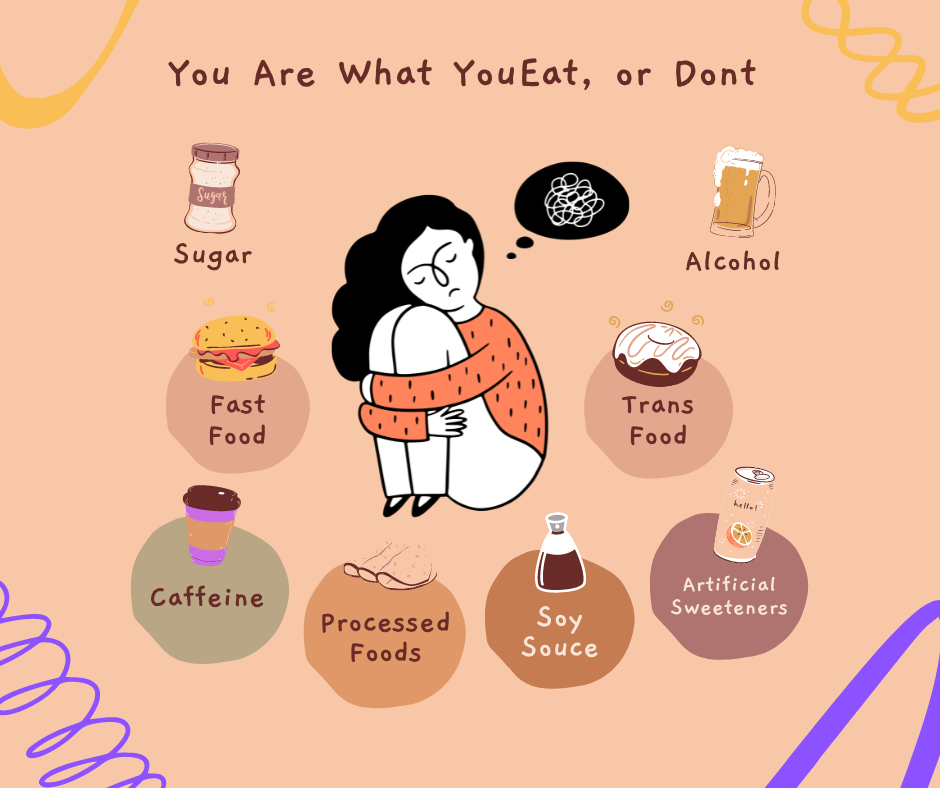
Fighting Depression with What You Eat

  1. Focus on whole foods. Fill up on natural foods that are full of nutrients and fiber that your body needs. Aim for at least 5 servings of vegetables and fruits each day, along with plenty of lean protein and healthy fats.
  2. Limit processed fare. The other side of the equation is to cut back on junk food loaded with empty calories and sugar. That includes beverages as well as solid food.
  3. Toss a salad. Leafy green vegetables contain folate, which may relieve depression, as well as reducing your risk for certain cancers. Add a handful of beans or shrimp to your salad to make it a balanced meal.
  4. Ferment it. Probiotic and prebiotic nutrients are gaining a lot of attention as scientists learn more about how intestinal bacteria affect the brain. Sample fermented dishes like miso soup and kimchi dumplings.
  5. Go fish. Omega-3 fatty acids can also lift your spirits. You can find them in fatty fish like tuna and salmon, as well as soybeans, spinach, and walnuts.
  6. Enjoy chocolate. What could be easier than eating chocolate? Dark chocolate contains serotonin and antioxidants that help reduce stress. Be sure to watch portion sizes and check labels for actual cocoa content.

Fighting Depression with How You Eat

  1. Cook vegetables lightly. Cauliflower and carrots are even more nutritious when you prepare them quickly in minimal water. Try steaming or microwaving.
  2. Seek variety. Different produce contains different vitamins. If you eat a variety of colors, you’re likely to wind up with a good balance.
  3. Eat in. It’s easier to control what you’re consuming if you’re doing the cooking yourself, because restaurants tend to add more fat, salt, and sugar. Brush up on your kitchen skills and bring your lunch to work.
  4. Treat yourself. Forget about forbidden foods and allow yourself an occasional indulgence. It will make it easier to stick to your diet in the long run.
  5. Keep a journal. Strong feelings like depression or happiness can affect your food choices. If you struggle with emotional eating, write down what you eat and what’s going on at the time. You’ll be able to spot your triggers and figure out alternative approaches.
  6. Make friends with food. Strict diets can make you feel deprived or guilty. Remember that food nourishes your body and mind, and eating can be a lot of fun.

If you think you have signs of depression, it’s important to talk with your doctor who may recommend talk therapy and medication, in addition to any dietary changes. If you just want a little more energy and happiness, extra broccoli and blackberries may be all you need.

To Your Success,
Juan

Fight Depression With Exercise


Is turning to therapy and medication the most effective solution for fighting depression? Studies are beginning to show, you can fight depression at home with a change in your activity level. It’s true! Physical activity can have a profound impact on your ability to overcome what ails you. If you’re feeling depressed, it might be time to incorporate exercise into your lifestyle. Exercise comes in many different forms, find a regimen that fits you. 

Try these effective strategies to fight depression with exercise:

  1. Experience the runner’s high. Following a good workout, your body will experience what is known as a runner’s high, which results from an endorphin surge. The temporary mood lift this surge provides, can be beneficial in reducing depression on a short-term basis.
  • When you’re feeling tense, overwhelmed, or down in general, seek a temporary pick me up in the form of a workout. Go for a short walk, hop on a treadmill or elliptical, or ride your bicycle. Yoga, Pilates, and strength training workouts can provide you with a boost of endorphins.
  • Working out for at least 30 minutes to combat symptoms of depression, can also provide you with a boost in energy and concentration, which can reduce some of the negative feelings associated with depression. 
  1. Improve your overall well being. Strength training is a great way to improve your health and well being, which can reduce symptoms of depression. Lifting dumbbells, for example, can build long, lean muscle, which improves metabolism and builds a stronger and healthier body.
  • While strength training may not directly impact your depression symptoms, its ability to improve your health, can have long-term effects on your overall well being 
  1. Exercise daily. Exercise at least 30 minutes each day (or as often as you can), six days per week. According to the Journal of Preventive Medicine, several weeks after you establish this regular exercise routine, you’ll begin to feel relief of your depression symptoms on a more consistent basis. 
  1. Replace medications with exercise. The Journal of Preventive Medicine recently featured a study of patients with depression who worked out for at least 3 hours per week. This study found that the remission of these patients’ symptoms, was comparable to cognitive behavioral therapies, and medication treatments. You should never replace medications without approval from your medical provider
  • While exercise may not be able to completely replace your need for other treatment options, it can benefit your mental well being in many ways, making it an excellent way to balance the therapies that you rely on for relief.
  • If you’re currently in treatment or taking medication, discuss any changes in therapy or medications with your doctor before you change them.
  1. Develop a routine. Developing a regular routine for exercise can have numerous benefits. Not only will it combat your depression, having a routine to look forward to can boost your spirits, and ward off the overwhelming feelings of depression.

The Bottom Line
Depression can negatively impact your life in many ways. Experiment with different therapy and treatment options to get the help you need. Exercise is a great way to reduce the symptoms. Helping to clear your mind and improve your energy, while also giving you a general sense of well being.

If you don’t already have a regular exercise regimen and you’re suffering from depression, then this is a treatment option that is well worth considering. It may work well in conjunction with current treatment options or it may replace those treatment options altogether. Please consult with your physician to learn more.

To Your Success,
Juan

Depression and Pain. Fighting Back


Depression and pain

Are you aware of the connection between physical pain and depression? It’s important to understand the link, and how it affects your body and mind. This can help you with treatment and therapy. Let’s closely examine the depression and pain dilemma.

  1. Understand the depression and physical pain cycle. Health experts believe  depression and pain appear to share a cycle, which makes it difficult to see where one issue starts and ends. There is overlap between depression and pain.
  • As your depression gets worse or better, physical pain may get worse or better in sync. The two are interlinked in a complex way that makes it harder to treat. Pain can also make depression more difficult. If you’re not able to work, or do the activities you enjoy because of pain, it can lead to feelings of isolation, and increased feelings of worthlessness.
  1. Consider inflammation. Recent research points to the role of inflammation in both depression and pain. The higher the level, the more likely it will make depression worse, and pain levels can increase.

Fighting Back Against Depression and Pain

Using these strategies may alleviate your symptoms:

  1. Seek help for your depression. You may benefit from therapy or medications, specifically designed to manage depression. 
  1. Get help for your physical pain. You may have to make multiple doctors’ appointments to get to the root cause of the pain. But you want to ensure that whatever is causing your pain, is also being treated.
  1. Stay active. It’s easy to allow depression and pain to take over your world and hide. However, it’s crucial that you exercise and stay involved. 
  1. Lean on your support network. Whether it’s your friends, family, or coworkers, you need people in your life who understand you, and can help during a time of need. 
  1. Find something that you love. Experts point out that pursuing a hobby, or activity that you enjoy, can help bring you out of the cycle of depression and pain.  
  • Find something that brings you joy on a daily basis. This can range from cooking your favorite meals to dancing at a popular club. Try to find joy in smaller activities such as talking to a friend, reading a book, or writing down your thoughts. The key is to focus on positive activities that uplift, and help you forget the pain. 
  1. Learn to speak positively to yourself. Positive self-talk has been shown to reduce both depression and pain. 
  • Many athletes talk through the pain to finish a competition. You can use this technique to help manage your pain and depression. It’s important to focus on positive aspects of your life and personality. Avoid berating yourself over mistakes. Shift your focus away from negative ideas, habits, or suggestions. The more you practice positive self-talk, the better you get at it, and the greater influence you’ll have on your results.

Depression and physical pain are linked together. It’s not easy to see where one starts and the other ends. Nevertheless, you can take action to alleviate both. Try these techniques to make a positive difference in your life. As always, consult your medical and mental health provider to discuss your unique circumstances.


To Your Success,
Juan

Depression and Your Cellphone


The National Sleep Foundation recommends we discontinue use of cell phones and other mobile devices at least 30 minutes before bed. Recently, during a medical appointment, I mentioned to the Physician I was having problems sleeping. She queried my cellphone usage before bed, and informed me the blue light on cellphones interferes with melatonin production, which controls our sleep cycles. Of course I knew about this, but bad habits are hard to break.

A study conducted by the University of Arizona, showed a link between teens, cell phone use, and Depression. Scientists continue to research more direct links. While most of the research to date has focused on young adults, the findings may be relevant to us all. Learn about how talking on the phone can affect your health and discover practical methods for using all your electronic devices wisely.

Research on Cell Phone Use

  1. Know the latest findings. Researchers at the University of Gothenburg in Sweden, studied young people who spend a lot of time on their cell phones and computers. They found heavy users were more prone to sleep disturbances, stress disorders, and other mental health issues.
  2. Understand gender differences. This latest study found men suffered most from an increase in sleeping difficulties. Women reported both insomnia and more symptoms of depression and anxiety.
  3. Reflect on previous studies. Scientists worldwide have been examining how our phones are affecting us. While there are conflicting findings about any increased risk of cancer, the evidence is stronger when it comes to growing cell phone dependence, and linking our self-esteem, to fancy phones and other possessions.

Using Your Communications Electronics Wisely

  1. Count your calls. The good news is that the unpleasant effects tend to be linked with extreme use. If you’re making less than 90 calls a day, you’re probably in a safe zone. Phone calls are becoming a thing of the past. Emails, texting, and social media are taking over
  2. Factor in all your time online. That includes texting, emailing and surfing the Internet.
  3. Take breaks. Family emergencies and school projects may require that you spend a lot of time on your phone. Give your mind and body time to recover from intense periods to balance things out.
  4. Turn your phone off. Get in the habit of turning your phone off more often. If you’re not expecting any urgent calls, devote all your attention to the present moment.
  5. Set a curfew. Mental stimulation and watching an illuminated screen late at night can make it difficult to fall asleep and stay asleep. Try turning everything off a couple of hours before bedtime.
  6. Analyze advertising messages. Marketing executives want you to feel like their products are part of your personal identity. Base your self-esteem on something more stable, like accomplishments, relationships and spiritual traditions.
  7. Engage in meaningful activities. Naturally, being bored can cause you to spend more time on the phone. Plan ahead, use your free time to strengthen body and mind.
  8. Check your messages less often. Reduce the anxiety of monitoring whether people call you back immediately. Develop a schedule for checking messages and stick to it.
  9. Express your emotions. Studies show that young adults who are skilled at articulating how they feel, are less likely to report heavy cell phone use. Whatever your age, learn effective methods for managing your emotions.
  10. Exercise more. Spending lots of time with our phones and computers may create a sedentary lifestyle. Keep yourself in shape by working out for at least 30 minutes most days of the week. Put your phone to good use, by checking out popular fitness apps that can help you reach your goals.
  11. Focus on others. Fundamentally, feeling blue can often be fixed by taking the focus off of ourselves and trying to help others. See your doctor if you think you may need help with feelings of depression. Otherwise, use your phone to delight your grandmother ,with a surprise call or spend some time offline.

I will be the first to admit I am a slave to my phone, and spend way too much time online. Conducting research for this post has forced me to reasses. In parting, use your cell phone when you need it, be pro-active in avoiding extreme use that could interfere with your mental and physical wellbeing. Sensible limits, a healthy self-image and constructive use of your leisure time will enable you to stay connected and peaceful.

To Your Success,
Juan

Prenatal Depression: Protect You & Your Baby


prenatal depression

Pregnancy is a time of hope, love, and joy. However, for many women, it can also be a time of prenatal depression, it is common and occurs more often than you might think. It can even happen to you! Please do not to ignore the signs and symptoms. Your life and the life of your baby is worth it.There is LOT of talk about post natal depression, due to many high profile stories in the news, however,  there is not enough attention being given to the period before While one post offering a summary of prenatal depression, the hope is that it will serve as a reference, and open up more discussion

Here is what  you need to know:

  1. Understanding prenatal depression. It’s estimated that one out of every four women will experience depression. Prenatal depression occurs during pregnancy and can be triggered by many factors.
    • In many cases, both patients and doctors ignore possible symptoms because hormone changes is often the focus. However, this type of depression can be dangerous for both the mother and child.
  2. Common signs: thoughts of death and suicide.
    • The pregnant woman may have ongoing and recurring thoughts about killing herself or others. She may also have thoughts about harming the baby, the father, and even try to do something violent. Other signs of prenatal depression include never-ending feelings of sadness, hopelessness, anxiety and guilt
  3. Depression triggers. Some medical experts believe that hormone and body changes during pregnancy can trigger depression, but there are other causes as well.
    • Relationship issues are also a common trigger, because the mother may feel she isn’t getting enough support. She worries how the child will change the relationship after birth
    • Complications during pregnancy can also trigger depression. If the mother is on bed rest or worried about losing the baby, it leaves the door open for feelings of depression to creep in. The joy of carrying the child is replaced with anxiety, worry, and fear.
  4. Potential issues for the baby. Although some mothers are able to continue to take care of their bodies during depression, others struggle to eat healthy food or avoid alcohol and other harmful substances.
    • Suicidal behavior is another major risk for the baby. A woman who suffers from prenatal depression is more likely to try to kill herself or the child.
    • Drinking and smoking are also concerns because some women will turn to them for comfort.
    • It’s important to recognize that a woman who has prenatal depression may not be making the best decisions for her baby.
  5. Treatment options. These will vary, it’s important to discuss them with your doctor.
    • Women with prenatal depression can find help through therapy.
    • Both individual and group therapy sessions may be necessary. Discuss these options with your doctor and work out a schedule that fits your needs. Find sessions that welcome pregnant women.
    • You may also benefit from some medications, but there are restrictions because drugs can affect the baby.
    • Support groups have helped some women with prenatal depression.
    • In addition, reducing stress and eliminating issues causing anxiety can help.
    • Adjustments to diets, exercise, and lifestyles is also helpful.
    • The most important step is to seek help and not ignore the symptoms. Doctors and therapists can determine the best treatment plan on an individual level. 

Prenatal depression is a real issue and shouldn’t be ignored. If you or someone you love show these signs, seek treatment right away. Medication and talk therapy can help, after weighing the medication risks with your medical provider. If your insurance does not cover treatment, there is usually free resources available. Though not always easy to find, the effort is worth it. 

Untreated pre natal depression leads to a host of issues, including but not limited to, missing important check ups, problems during labor and delivery, poor nutrition etc.  No one should have to suffer alone and fight without help. Call 911 right away if immediate harm to the mother or unborn baby is obvious.

Learning about prenatal depression could save a life – or two.

To Your Success,
Juan