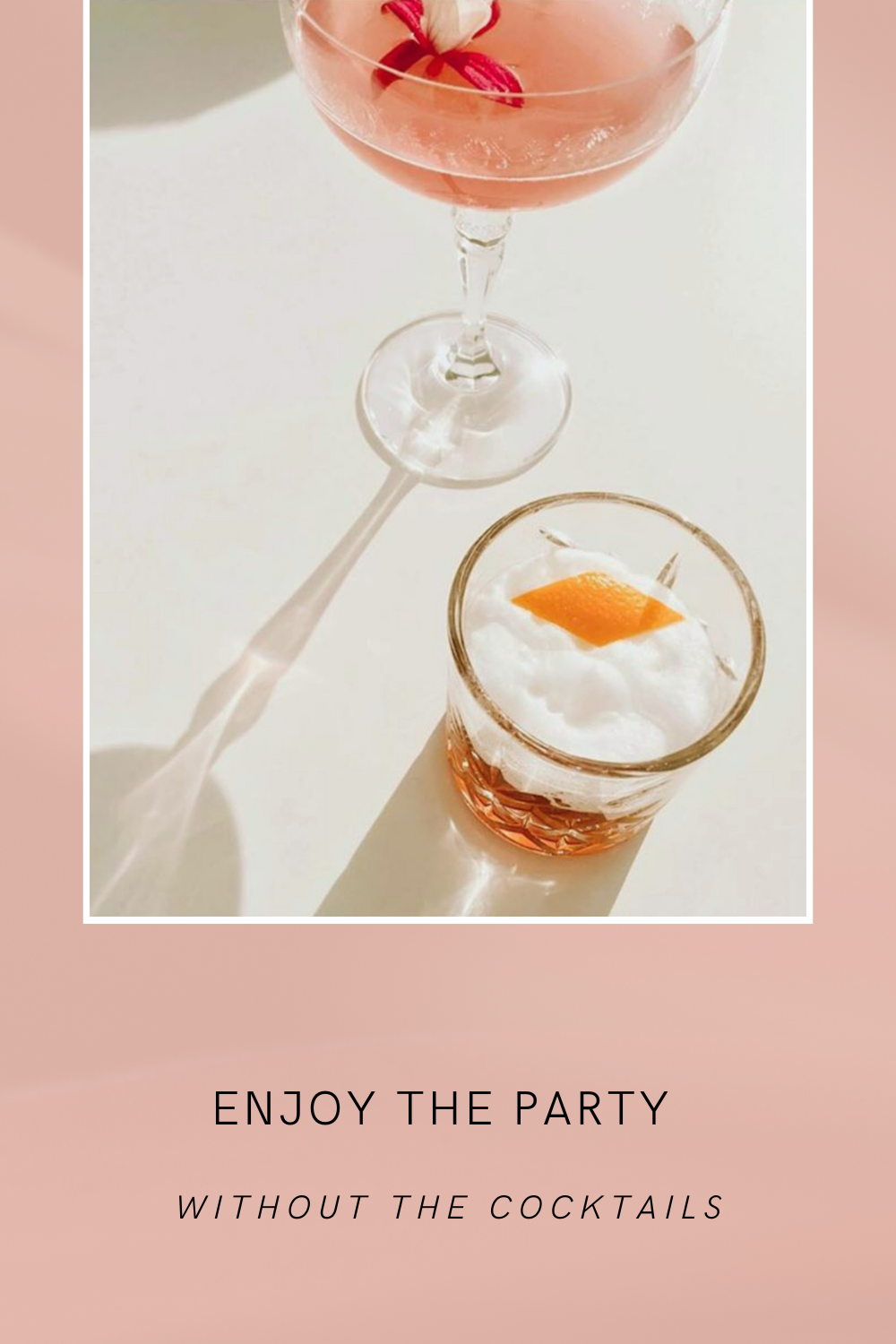
Enjoy The Party. Without The Cocktails.


If you feel self-conscious about not drinking alcohol at personal and professional gatherings, it’s time to relax. There are many reasons why adults choose to forego the alcohol, including health issues, religious beliefs, and various individual preferences.

In fact, about one-third of adult Americans don’t drink any alcohol, and another third consume less than one alcoholic beverage per week, according to government figures. See how easy it is to have plenty of fun and friends without drinking.

What to Do About Drinking
If you’re struggling with alcohol dependence, seeking support will help you deal with serious issues that may come up during your recovery. Otherwise, a few practical strategies may be all you need to enjoy a party without cocktails.

  1. Fill your glass. Avoid awkward questions by keeping a drink in your hand or by your plate. Others will assume that you’ve been served.
  2. Bring your own. Most hosts are likely to offer nondrinkers more options than plain old tap water. Still, you can guarantee that your favorites will be on hand by presenting them with a bottle of limeade or a six-pack of non-alcoholic beer.
  3. Offer to drive. Save lives by volunteering to be the designated driver for the evening. Many bars will thank you by letting you drink for free.
  4. Eat something. Cocktails are easier to resist on a full stomach. Have a hearty meal or snack before you go out. Check out the buffet table or snack plates if you get hungry again.
  5. Look ahead. Boost your motivation by anticipating how fresh and alert you’ll feel in the morning. You may also have more money in your pocket when you give up drinking alcohol.

What to Do About Socializing
Maybe you drink because you feel it’s expected or because it’s  easier for you to mingle. Below are some alternative ways to connect with family, friends, and business contacts.

  1. Talk it over. If your decision to quit drinking will be a major change, let your loved ones know how you feel. Discuss your hopes and concerns. Explain what kind of support you need.
  2. Rehearse your response. It’s up to you how much you want to tell strangers and acquaintances about your decision not to drink. If so, simple versions usually work best. Tell them you feel better without alcohol or you have to be up early in the morning.
  3. Prepare for small talk. Practice networking and hanging out without alcohol. Put together a few topics for conversation. Plus, if you show others that you’re interested in them, they’ll probably like anything you have to say.
  4. Arrive late. Time your arrival for when the party is reaching full swing. It will make it easier to feel festive and blend in.
  5. Help out. Looking for ways to assist others will take your focus off yourself. Ask your host if you can collect coats or peel lemons. Talk to a guest who’s asking for referrals for a local babysitter or car mechanic.
  6. Suggest other activities. Lots of places serve up entertainment without any alcohol. Go see a play or visit a science museum. Take a walk through a public garden or go hiking at your nearest mountain range.
  7. Make new friends. People who care about you will be happy to make any adjustments they can to support your decision. On the other hand, you might benefit from widening your circle to include more nondrinkers who want to go out for coffee or ice cream.

Advance planning and clear communications make it simple to socialize without alcohol. You can enjoy interesting conversations and entertaining activities just as much whether you fill your glass with champagne or cranberry juice.  As a reminder, September is National Recovery Month,  you will find helpful resources and links on SAMHSA. 

To Your Success,
Juan
Alcohol and Stress


A few days ago, I provided helpful tips which should help if you are struggling with anxiety and Alcoholism. Stress and anxiety often go hand in hand, so let’s examine how the role stress plays in this addiction.

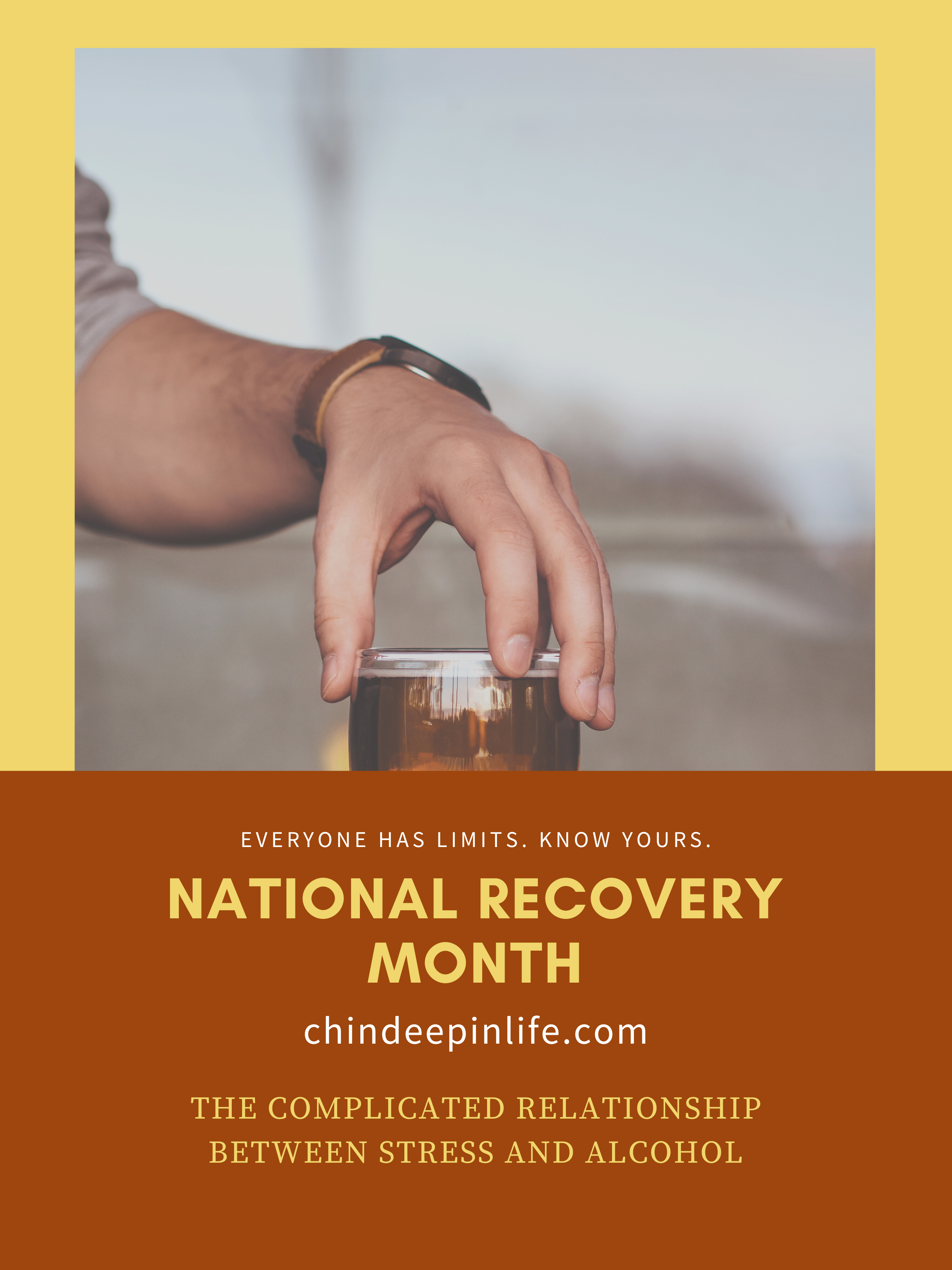
Alcohol and stress have a complicated relationship. An occasional drink can help you to feel happier and more relaxed. On the other hand, heavy and prolonged consumption increases your risk for anxiety, depression, and other undesirable consequences.

Much of this is due to how alcohol affects your brain. When you’re healthy, your body deals with stress by increasing hormones like cortisol that prepare you for action, and then quickly restoring the usual levels once the challenge has passed.

Relying on alcohol disrupts this balance. Your stress responses become less efficient, and you may build up tolerance, so you have to drink more to achieve the same effects. Meanwhile, your drinking may create additional sources of tension. You may develop mental and physical health issues, and your drinking may interfere with your relationships and career.

You can break the cycle if stress is making you drink more, and your drinking is causing more stress. Try these tips and reach out to your doctor and your loved ones if you need more support.

Tips for Dealing with Stress:

  1. Think positive. Pay attention to the wonderful things that happen each day. Remember that hardships are temporary. Try to find the humor in difficult situations.
  2. Plan ahead. Identify potential obstacles before they occur. It’s easier to stay calm when you recognize your options and have a plan of action to pursue.
  3. Focus on solutions. Devote your energy to overcoming a challenge rather than complaining about it. Concentrate on the things you can change. Find ways to turn setbacks into opportunities for learning and growth.
  4. Eat healthy. Self-care makes you more resilient. Nourish your body and mind with a balanced diet rich in whole foods and fiber. Limit your intake of sugar, salt, and empty calories.
  5. Sleep well. High quality sleep promotes healing. Go to bed at the same time each night so you’ll wake up feeling alert and refreshed.
  6. Exercise regularly. Physical activity reduces stress hormones and lifts your spirits. Enjoy a variety of workouts so you’ll stay motivated while you build up your strength and condition your heart.
  7. Live mindfully. Meditation and deep breathing can help you calm uncomfortable emotions and racing thoughts. Practice on your own or browse for instructional videos and apps online.

Tips for Drinking in Moderation:

  1. Set limits. Decide how many drinks you’ll have before you get started. That way you’re less likely to overindulge. You may also want to schedule alcohol-free days or weeks.
  2. Slow down. Pace yourself by sipping your wine. Stay hydrated with a glass of water in between each alcoholic drink.
  3. Eat a snack. Alcohol enters your bloodstream more gradually when you have food in your stomach. You still need to drink responsibly, but a snack gives you some extra protection.
  4. Resist peer pressure. Do you find yourself drinking more when you’re around some of your friends or coworkers? Create strategies for dealing with such triggers, like suggesting activities that don’t involve alcohol.
  5. Avoid binge drinking. There’s a big difference between having one drink a day for a week and having 7 drinks in one evening. Stick to the conventional guidelines for no more than 1 or 2 drinks a day.
  6. Ask for help. Moderate drinking is safe for most adults, but you may need to give up alcohol if you have certain medical conditions. Talk with your doctor about the appropriate decision for you.

Positive thinking, relaxation practices, and self-care are more effective than alcohol when it comes to handling stress. If you think your drinking may be affecting your health and wellbeing, call a community hotline or ask your doctor about resources that can help you get back on track. 

September is National Recovery Month. SAMSHA is a US government website with a huge list of helpful resources. Get started today. Help is available 24/7 by calling or texting the Crisis Hotline : 988

You your success, 

Juan


What You Need To Know About Alcohol and Anxiety.


Let’s face it, if giving up the bottle was as easy as outlined in my last post, my job here would be done,  we could focus on other important things,  maintain sobriety, and live productive, fulfilled lives. Over the next several weeks, the goal is to offer strategies to help us thrive and survive the world of Alcoholism. Do you drink because you are anxious and stressed? Some of my clients often say “I  drink to relax, it calms my anxiety, relieves stress, and helps me sleep” On the other side of the coin, have you noticed you tend to me more aggravated after drinking? 

TV commercials encourage you to have a drink to relax. Superbowl is one such occasion, we are inundated with beer commercials. However, the relationship between alcohol and anxiety can be more complicated. Many adults can safely drink in moderation. For others, alcohol may cause anxiety or aggravate pre-existing conditions.

There are several reasons why alcohol tends to disturb your peace of mind. Embarrassing yourself at an office party may be an obvious danger, but there’s also a molecular explanation. Alcohol causes changes in your brain chemicals, including gamma aminobutyric acid (GABA) that’s involved in regulating anxiety.

Your brain adjusts to the sedating effects of alcohol but may have trouble balancing itself again when your blood alcohol content starts to fall. That could leave you feeling more anxious than when you started, and that uneasiness may last for a day or more. Lifestyle changes and professional help can make a big difference if alcohol and anxiety are disrupting your life. Learn what you can do to turn things around.

Tips for Drinking in Moderation

Prolonged heavy drinking often contributes to anxiety. The CDC recommends limiting yourself to one drink a day for women and two for men on the days you do drink.

  1. Plan ahead. Decide what you’re going to drink before you get started. Maybe you’ll skip wine with dinner, so you can have a glass of port afterwards.
  2. Slow down. Sip your Margherita. Order a glass of water in between if you consume more than one alcoholic beverage.
  3. Eat food. Filling up on food allows your body to absorb alcohol more gradually. Fats and proteins are especially useful for slowing the process down. On the other hand, skip the salty snacks that will make you thirstier and more dehydrated.
  4. Enjoy other activities. If you’re used to bar hopping on date nights, go for a hike or visit a science museum instead. Spend your leisure time working on hobbies rather than drinking beer while watching TV.
  5. Resist social pressure. Rehearse what to say if someone asks why you’re turning down a drink. Let your family and friends know you’re trying to cut back, if that is comfortable for you.
  6. Take time off. Celebrate Dry January or the abstinence days of your choice. Taking a break from alcohol gives your body and mind time to recover.

Other Tips for Coping with Anxiety

Using alcohol to manage anxiety is likely to backfire. Replace cocktails with the following strategies, that are safer and much more effective.

  1. Take sensible risks. Avoiding things that scare you may be adding to your anxiety. Facing your fears teaches you that you’re strong enough to handle life’s challenges. Start with small projects and work your way up.
  2. Get enough sleep. You’re more resilient when you’re well rested. Aim for 7 to 8 hours of high-quality sleep each night.
  3. Eat healthy. Your diet can help you to relax. Use foods rich in fiber to stabilize your blood sugar. Experiment with foods high in certain minerals, like leafy greens for magnesium and egg yolks for zinc.
  4. Exercise regularly. Working out is a great way to use up nervous energy and benefit your mood.
  5. Seek help. Anxiety is one of the most common mental health issues, affecting almost 20% of the adult population. Search for therapists who have experience treating anxiety and substance abuse issues. You may need to target both areas in order to avoid relapses.

If you’re struggling with anxiety, a glass of wine may relax you in the short term, but it’s still important to deal with underlying issues. Adopt healthy habits for managing stress and talk with a professional if you need more help.

You Your Success,

Juan

Battling The Bottle.


Did you know September is National Recovery Month?In honor of this, I’d like to use it as a platform to bring more awareness to the continue struggle with Alcoholism that so many of my clients face.

Are you, or someone you love struggling to quit drinking? Does quitting seemed like a monumental endeavor that you will never accomplish? What if you took it day by day, and celebrate the small victories? This month, I hope to share strategies and tips with my fellow readers. I work with clients who struggle with this and many other addictions. I have witnessed first hand, the devastating effects this addiction has on family, friends and loved ones.  So let’s dive in.

An estimated 6.5 million adults took part in Dry January in 2021. If you’ve missed out on making it one of your new year’s resolutions, you can still celebrate a similar occasion any time of year. While some adults need to avoid alcohol completely, others may prefer a more gradual approach. For them, a British charity group helped start a movement in 2014 to quit drinking for a month after the winter holidays. Many participants say that it has helped them to transform their relationship with alcohol.

Look at what a month without margaritas, or your drink of choice can do for you.

Benefits of Giving Up Alcohol for a Month

Clinical research on Dry January is very limited, but the initial results are promising. Even short-term abstinence can have positive effects on your overall health and wellbeing.

  1. Sleep well. You’ll probably wake up feeling more refreshed. Alcohol interferes with the quality of your sleep, so this is one of the most common and quickest results.
  2. Feel healthier. There can be significant health benefits. One study found that a month off alcohol decreased blood pressure by 5% and lowered diabetes risk by 30%. There were also large decreases in blood growth factors linked to certain cancers.
  3. Lose weight. It’s easy to lose track of how many calories you drink. You may wind up slimmer without even trying to eat less.
  4. Drink more responsibly. The big question is whether a month without alcohol will lead to lasting changes. According to one survey, Dry January participants drank less frequently and drank less per day for months afterwards.

Tips for Quitting or Cutting Back on Drinking

As you might expect, Dry January fans use many of the same methods that can help anyone to curb their alcohol consumption. Listed below are a few examples of proven strategies.

  1. Pick a date. Having specific goals and a timeline will help you to feel more committed and accountable. Maybe you’ll want to join the crowd in January, or maybe another month is more feasible for you.
  2. Cope with triggers. Be prepared for situations that tend to make you want to drink. Suggest going to a movie instead of visiting a bar on date nights. Relax after work with a walk in the park rather than sitting down with a glass of wine.
  3. Seek support. Ask others for the help you need. Let your family and friends know what you’re doing and what they can do to make it easier.
  4. Manage peer pressure. Rehearse how you’ll respond in situations where others may encourage you to drink. If someone refuses to respect your choices, you may want to limit your interactions with them at least temporarily.
  5. Prepare for relapses. What if you give in to temptation at a wedding or a barbecue? Learn from the experience and give yourself credit for getting back on track the next day.
  6. Stay busy. You’re less likely to miss alcohol if you keep your mind and body occupied with other activities. Spend more time at the gym or working on hobbies. Take a course at your local community college or volunteer at a food bank.
  7. Practice self-care. Maybe you’ll feel inspired to try other healthy lifestyle changes. Eat more vegetables and start a daily self-care practice.
  8. See your doctor. Quitting alcohol for a month is safe for most adults. However, if you’re dependent on alcohol, you’ll need medical care to help. Your doctor can help you understand your options and provide you with resources.

Giving up drinking for a month could be the start of a healthier relationship with alcohol. Let it encourage you to drink in moderation or seek professional help if alcohol is disrupting your relationships and the quality of your life. For more information on recovery, please visit this US Government Website

To Your Success,

Juan

Preventing A Relapse


We made it to the last few days of July! Did a particular topic resonate with you? Do you know someone who could benefit from the advice shared one the past several weeks? All the hard work can go to naught, if we don’t know how to prevent a relapse. 

Relapse is a term usually referring to alcohol and drugs. However, it can be applied to any habit. Maybe you stuck to your diet for weeks, and then overindulged at an office birthday party. Maybe you went 10 years without a cigarette, and then bought a pack when you broke up with your boyfriend or girlfriend. Remember that your ultimate success in developing healthy habits is more important than any backsliding. Think of relapses as part of a process, rather than unpredictable events. If you pay attention to what you’re feeling and thinking, you may be able to avoid a setback.

Try these techniques:
  1. Deal with emotions. Your feelings may be the first sign that you’re headed for a fall. Accepting your anger and sadness will help you find new and more constructive ways of managing them.
  2. Build support. Surround yourself with family and friends who will encourage you and give you useful feedback. Let them know how they can help you. You might want to search for support groups in your community or participate in forums online.
  3. Know your triggers. You sometimes need to limit contact with old friends who engage in the habit you’re trying to break. Certain places or situations could also make you vulnerable to relapsing.
  4. Wait it out. What if you have an urge to go on a shopping spree or bite your nails? Try waiting 5 or 10 minutes to see if it passes. It’s a quick solution that often works.
  5. Seek moderation. Being too strict with yourself can backfire. A restrictive diet makes junk food look more tempting. Allowing yourself a low-calorie dessert like fruit could help you avoid binging on donuts and cheesecake.
  6. Focus on consequences. Before you take a step backwards, think through what will happen. Is wasting time on social media causing you trouble at work?
  7. Practice self-care. Protecting your physical and mental wellbeing is essential for reaching your goals. Eat sensible amounts of whole foods, exercise regularly, and make sleep a top priority.
Recovering From a Relapse

If it’s too late to prevent a relapse, you can still turn things around. Put your mistakes behind you and keep building on the progress you’ve already made. Some or all of these strategies will help you get back on track.

  1. Face the truth. It can be difficult to admit that you’ve relapsed. Be honest with yourself and take accountability for your decisions.
  2. Remember your purpose. It may help to think about your original reasons for making changes in your life. They may be so compelling that you’ll be ready to try again, or you may need to find another source of motivation.
  3. Forgive yourself. Be kind and compassionate toward yourself, especially while you’re struggling. Use your self-talk to boost your confidence. Let go of the past and concentrate on what you can do today.
  4. Break it down. Trying to make lifelong commitments may seem overwhelming. Pick a time frame that’s realistic for you. You might aim to sustain your new habits for a single day or even an hour at a time.
  5. Take action. Regain momentum by taking a positive step forward immediately. If you’re trying to stop overspending, leave your credit cards at home unless you’re planning to make a specific purchase. If you want to cut down on complaining, start a gratitude journal.

Think of relapses as a learning opportunity that helps you to find out more about yourself. Each time you temporarily lose a little ground, you gain more insight into what you need to do to make positive changes in your life.

Use these free worksheets to help you sty focused.

To Your Success,
Juan

Emotional Eaters, Stop Here


Do you feel like you have a never-ending battle with the scale? Are you tired of gaining weight that stays with you forever? The cause of your weight gain might be emotional overeating. A complex topic, with essential, easy to recognize elements.

Emotional overeating is defined as disordered eating that is characterized by the compulsion to eat even if you’re full. It tends to be a response to negative emotions or thoughts. It’s also seen as a coping strategy for those who are under stress or who have suffered abuse. Food often provides comfort for emotional eaters. But the comfort is only temporary! Emotional overeating can sabotage your diet and weight-loss goals. It can also negatively affect your health. Luckily, there are easy steps you can take today to stop emotional overeating!

Try these strategies:

  1. Figure out your triggers. In many cases, emotional overeating is triggered by an event, thought, or feeling. If you can figure out your triggers, then it will be easier to take control, and stop them from encouraging you to overeat.
    • The most common triggers are stress and negative emotions. Other triggers can be difficult days at work, fights with your family or spouse, and issues with friends or coworkers. Therapy may also help you deal with triggers.
  2. Try to eat only when you’re hungry. Teach your body to accept food only when you’re really hungry instead of viewing it as a constant source of comfort.
    • This step will take time because changing your eating habits is challenging. However, you can take small steps to make dietary modifications. Learn to listen to your body and pay attention to real hunger pangs.
  3. Create alternative plans. For example, if you know that you overeat after a difficult meeting at work each week, then plan ahead and try to prevent it. Try substituting a more positive action that also brings you comfort or reduces your stress.
    • By creating alternative plans that don’t involve eating, you will be setting yourself up for diet success. For example, you can plan a long walk or gym workout after work to get rid of stress. Instead of turning to your fridge and ice cream after an argument, you can binge watch your favorite TV shows or get on the phone with a friend.
    • The key is to find other ways to deal with stress and negative emotions.
  4. Surround yourself with people who care. One of the main reasons many people turn to emotional overeating is because they feel like they don’t have a support network. Do you feel alone and isolated? Reach out to family, friends, coworkers, and others for help. Build a strong support network around you that can help you deal with negativity and stress. Find those whom you can call or visit without worrying that you’re intruding or upsetting them. In turn, be open to offering them support, too.
    • Explain to friends or loved ones about emotional overeating so they can understand why you overeat. Discuss effective techniques that can motivate you to stick to a diet or exercise plan. They can remind you of these techniques when you need help, without being authoritarian or critical, to help you get back on track. 

Emotional overeating doesn’t have to control your life. You can fight it and overcome it with these easy strategies. With any luck, this post serves as a catalyst to reach out and seek help

To Your Success, 
Juan

Read This Before Hitting The Buffet


Buffets can be hazardous to your diet! Whether you’re at a party, wedding reception or all-you-can-eat restaurant, you’re surrounded by temptation. Use these suggestions to make healthier food choices and keep the calories under control while you enjoy your meal.

Making Better Food Choices at a Buffet

  1. Browse around first. Scientists at Cornell University studied the differences between how overweight diners approached a buffet versus their thinner counterparts. They found that that 71 percent of leaner people scanned the offerings first to narrow down their choices, while heavier diners tended to immediately grab a plate and pile it up.
  2. Load up on vegetables. Most nutritionists recommend devoting half your plate to vegetables and fruits. This is always good for your health and goes a long way toward making any buffet meal lighter.
  3. Learn to count calories. Avoid underestimating the calories in certain foods. Vegetables dishes have a lot of calories once they get breaded and fried or smothered in cheese. Beware of creamy soups and most salad dressings.
  4. Practice portion control. You can usually incorporate your favorite treats into your diet if you keep the portions moderate. A teaspoon of nuts liven up a salad but eating them by the handful could put you over your limit.

Additional Suggestions

  1. Use smaller plates. The vast majority of people make only one or two return trips to the buffet. Smaller dishes will reduce the amount of food you can fit on each trip and make the experience seem more abundant.
  2. Sit at a distance. Make it more challenging to go back for more by sitting on the other side of the room. Avoid lingering around the table where you’ll be in danger of picking at the food for much longer than you intended.
  3. Face away from the buffet. Keeping fried chicken out of mind is easier when you keep it out of sight. Turn your chair in the opposite direction from the dessert selections.
  4. Drink lots of water. Staying well hydrated is good for your overall health and energy levels and helps you to feel full sooner. You’ll save calories compared to drinking alcoholic cocktails, which could also lower your resistance to over-enjoying the chocolate cheesecake.
  5. At social events, focus on socializing. Pay more attention to the guests and less to your plate. Get caught up in conversation and dancing so you’ll forget about wanting to eat more.
  6. Wear fitted clothing. Leave your stretchy long sweaters at home. Clothes that fit closer to your body will help remind you to eat sensibly. Stop yourself before you feel the need to loosen your belt.
  7. Order off the menu. Many restaurants will give you the choice to order off the menu or eat from the buffet. Opt for a single dish if the buffet looks fattening. Even if the buffet costs less, you save money in the long run by staying fit.
  8. Eat more slowly. If you make your food last longer, you’ll have less time to go back for more. Plus, you give your brain a chance to notify your stomach that you’re beginning to feel full.

Above all, keep in mind that “all-you-can eat” is a description, not a challenge. Slow down and be more selective about what you put on your buffet plate. You’ll eat less and enjoy your food more. 

How will you change the way you approach the next buffet?

To Your Success,
Juan 

Those Pesky Evening Snacks!


If you’re trying to lose weight, you may want to stop eating in front of the TV at night. A recent study presented at the European and International Conference on Obesity adds to the growing evidence that when you eat can matter almost as much as what you eat.

Researchers found that the average adult consumes nearly 40% of their daily calories after 6 pm, and hunger typically peaks at about 8 pm. Unfortunately, that’s long after you’ve probably completed most of your usual physical activities. Late night meals and snacks also tend to involve less nutritious food choices. You’re more likely to open a bag of chips than to toss a green salad.

That means you’re likely to go to bed with elevated blood sugar, which leads to storing more calories as body fat and increasing your risk of diabetes. Plus, digesting heavy meals can disrupt your sleep, causing an increase in appetite hormones and more weight gain. Breaking the cycle will help you to eat healthier and slim down. Scary stuff!Try these suggestions for changing your eating schedule to one that supports your health.

How to Eat More of Your Calories Earlier in the Day
  1. Change your bedtime. Do you skip breakfast because you run out of time? Go to bed earlier so you can avoid the rush and wake up feeling refreshed.
  2. Drink water. You lose about one liter of water due to breathing and perspiring each night. Rehydrating will make you feel more alert and stimulate your appetite.
  3. Go outside. Morning light gives you energy too. Make breakfast more appealing by working out outdoors first and eating on your balcony.
  4. Choose delicious foods. If you think cereal and milk is boring, try less conventional options. Eat grilled fish or black bean soup for the first meal of the day.
  5. Make it convenient. A nutritious breakfast can be simple. Heat up leftovers from last night’s dinner. Prepare the ingredients for a smoothie the night before and store it in your refrigerator.
  6. Stop for lunch. You’ll be more productive if you leave your desk for lunch. Pack a balanced meal you can bring with you. Browse online to find nearby restaurants with healthy takeout menus.
  7. Carry snacks. Keep a cooler in your car filled with healthy treats. Put them in your desk drawer too. Smart choices include nuts, string cheese, high protein cereals, and cut vegetables.
How to Cut Back on Late Day Calories:
  1. Plan your menu. Decide what you’re going to eat in advance. That way you’ll be less likely to accidentally binge on pizza or a whole pint of ice cream.
  2. Cook at home. Making your own meals lets you control the ingredients. Restaurant fare usually has more fat, salt, and sugar. I can’t be the only one who needs. nap after eating Chinese
  3. Limit portions. Serve meals on individual plates instead of family style bowls that encourage additional helpings. Buy single-serving snacks or take out 2 cookies instead of bringing the whole bag into the TV room.
  4. Leave the table. Lingering around the dinner table may extend your eating time. Go to another room or clear away the dishes if you want to talk.
  5. Focus on protein. Your body uses protein more effectively if you spread it out throughout the day instead of eating most of it at dinner. For evening snacks, a little protein will help you to feel full and stabilize your blood sugar.
  6. Brush your teeth. Try to stop eating at least 2 hours before bed. Brushing your teeth may remind you that the kitchen is closed until morning.

Knowing when to eat can make losing weight and eating a nutritious diet easier. Enjoy a hearty breakfast and lunch and lighten up on dinner and evening snacks with these strategies.

To Your Success,
Juan

Eating While Distracted?


You know that distracted driving is dangerous, but what about eating when your thoughts are elsewhere? A new study explains why you’re likely to snack more while you’re watching TV. Intrigued? I was too!

Researchers at the University of Sussex studied the impact of perceptually demanding tasks like watching TV or playing video games. They found that subjects whose attention was engaged in another activity ate 45% more chips. This supports the theory that your brain has a limited supply of attention, so it focuses on what seems most important. As a result, you keep on eating because you miss the fullness cues that your body is trying to send you.

Read this before another bag of chips or cookies disappears while you’re binge-watching or talking on the phone. Paying closer attention to your eating will help you to maintain your weight and cut down on junk food.

How to Recognize When You’re Full
Feeling full depends on chemical changes in your body that take about 20 minutes for
your brain to register. That sated feeling is designed to last for several hours, but
many common habits can undermine the process. Keep the following in mind:

  • Understand cravings. Distinguish between hunger and appetite. Physical
    hunger builds up gradually and subsides after eating. Emotional appetite and
    cravings come on suddenly and may be more persistent.
  • Slow down. Sitting down and dining at a relaxed pace gives your brain a chance
    to know you’re full. Chew thoroughly and savor each bite.
  • Avoid crash diets. Cycles of fasting and splurging confuse your body. Find a
    balanced regimen that you can stick with for the long term.

Other Tips for Non-Distracted Eating
Recognizing fullness cues will help you to make healthier food choices. Take a look at some additional strategies for paying more attention to what you’reeating:

  • Plan ahead. Creating daily or weekly menus may help. Use an online calculator
    to figure out how many calories you need, so you can stay in the middle ground
    between ravenous hunger and a post-Thanksgiving-style food coma.
  • Focus on fiber. Unprocessed foods rich in fiber enhance your overall health
    and satisfy you with fewer calories. Fill up on vegetables, fruits, and whole
    grains. High protein foods have a similar effect, so include them in each meal
    and snack instead of waiting for dinner.
  • Drink water. It’s easy to confuse thirst with hunger. Have a glass before and
    during meals and anytime a craving pops up. Once your stomach feels full, it will
    be easier to resist temptation.
  • Shop wisely. Speaking of temptation, keep junk food out of the house. Use a
    shopping list when you buy groceries. Stick to the outer aisles where you’re less
    likely to run into snack cakes and crackers
  • Manage stress. Create a soothing environment, especially during mealtimes.
    Talk about pleasant subjects or play soft music
  • Work out. Physical activity helps you listen to your body and regulate hunger. It
    also burns extra calories. Aim for at least 150 minutes of moderate aerobic
    exercise each week. I remain fuller longer, when I use a pre workout before hitting the gym.
  • Try again. Changing your eating habits takes practice. Be patient if you slip up.
    You’ll recover faster if you stay calm and learn from the experience.
  • Talk with your doctor. Your diet plays a major role in your physical and mental
    health. If you have trouble managing your hunger or other concerns about your
    eating habits, discuss them with your doctor or a registered dietician
  • Paying attention . Your food and how much you’re eating can transform your
    relationship with food and protect your health. Put the screens away during
    mealtimes and pay attention to what’s on your plate. You’ll learn to listen to your
    body and enjoy your food more.

How helpful are these tips to fight distraction eating? I have slowly been incorporating them into my own lifestyle. It’s slow, but I am moving faster than those not doing anything. As usual, this advise is not a one size fits all, always consult with your medical and mental health providers for support.

To Your Success,
Juan

Binge Eating and Activating Your Neocortex


Urges to binge come in the form of overwhelming desires to eat large amounts of food in a short period of time. They are characterized by a sense of loss of control, excessive food consumption, and often followed by disappointment and shame.

One doesn’t have to have a binge eating disorder or any eating disorder, per se, to be exposed to such urges.  As mentioned before, many people who’ve gone through a period of restrictive dieting experience at least one strong urge to binge. These powerful compulsions aren’t easy to resist. That’s why many of us, at some point in our diet, end up reaching for forbidden foods in larger amounts than what’s reasonable.

This is how we pave our road to ruin and give way to the well-known yo-yo effect. As food consumption is an integral part of our daily lives, we don’t have the luxury to stay away from it, like in the case of cigarettes, alcohol, drugs or other addictive substances and behaviors.Food can’t be eliminated from our lives, but our thinking and acting around food can, indeed, be managed and optimized. 

How can we rise above our durable desire to indulge in food that doesn’t serve us well in the long-term? What can support us in staying faithful to our initial intention for healthy nutrition? How can we make food choices that we won’t regret later?

The Neocortex 

The answer is already within you. To be more precise, it is located in the most recently developed region of your human brain called the neocortex. This part of your brain, especially the prefrontal section, is responsible for:

  • Planning and moderating complex behavior (including social behavior)
  • Goal setting
  • Expression of your personality
  • Decision making

Your true self resides in this part of your brain. This is the self that doesn’t quickly lose control when exposed to animalistic desires such as an urge to binge. How can we call on our neocortex when we want to make conscious food choices? 

Follow these steps: 

  1. Consider your urge to be irrational. Before you take this step, ensure that you are consuming enough food. If you’re restricting your nourishment and starving yourself, then your urge to eat is a legit physiological need that should be met.
    • If you’re eating enough and still have desires to indulge in fattening foods, consider that desire as brain junk. This act will lift you up to the level of your true-self.
  1. Divert your attention. What you focus on tends to grow. If you find yourself trying to fight your obsessive thoughts, they will only increase in strength and occupy even more of your precious mindspace. What works better is to shift your focus to something more productive, self-care for example.
    • Once you allow yourself to engage in a pleasant or meaningful activity, your neocortex will get engaged, and the grip of your urge will lessen until it leaves you entirely. 
  1. Reach out to others. Food can often be used for comfort. Many of us choose to deal with our emotional turmoil by indulging in short-lived pleasures provided by sugary, fattening treats. To keep this from happening, reach out to family, friends, or even strangers. Experience comfort from human connection.
    • In doing so, you’re activating the part of your neocortex that regulates social behavior. Once you rise to this level of consciousness, your cravings will crumble down, letting you carry on with your day. 

These tips are designed for those who have a relatively healthy relationship with food and experience occasional urges to binge. If you suffer from an eating disorder, you’ll find your best results in consulting professional support and recovery assistance.

To Your Success,
Juan