Spot Hidden Signs of Depression In The Ones You Love.


Depression isn’t always easy to spot in loved ones, especially if they are hiding it on purpose. Last month, when I began this mental health series, I mentioned the importance of checking in on your loved ones, the strong types, who often need support, but don’t ask for it. Pillars of strength,  at the first sign of trouble, they are the ones we seek out first. Sometimes, in our own self serving world, it’s easy to miss what’s being hidden. 

Useful strategies to help you discover if your loved one is suffering from depression:

  1. Why people hide their depression. It’s easier to hide the issues than face them head on People hide their depression because they’re scared and don’t want others to know what is happening to them. They are worried about losing their jobs or kids. Embarrassment is another reason. Depression still comes with a stigma, and they don’t want it attached to them. 
  1. They may overcompensate. To hide their depression, they overcompensate by being more outgoing than usual. Studies show they force themselves to be more outgoing and give fake smiles. It’s important to them that others think all is well.
  1. They have eating disorders. Issues with food are common among those with depression, including changes in appetite. They may eat too much or too little. Their diets may be out of control. If you notice these changes,  consider why they’re happening. Food can serve as an emotional trigger, often used to make themselves feel better or worse. 
  1. They have angry outbursts. These outbursts can become more frequent as the depression gets worse. An occasional angry outburst over a terrible situation is normal for everyone. However, if you notice frequent and strange angry outbursts, then consider this as a possible cry for help. 
  1. Their sleep patterns change. Unhealthy sleep patterns are an issue for those with depression. Sleep patterns that change for no reason may be a sign of a deeper issue. They may sleep too much or too little, and may complain about not getting enough sleep, yet refuse to go to bed. 
  • It’s important to look deeper into sleep issues. Why are they having trouble falling asleep or staying asleep? Or, why are they staying in bed for so long? Insomnia is frequently linked to depression. 
  1. They turn to addiction. Addiction and depression are often linked together. Addiction can come in many forms; food, drugs, alcohol, gambling or other behaviors. Risky behavior is an issue for people who suffer from depression.  It’s important not to ignore their cry for help. 
  1. They hide their feelings by keeping insanely busy schedules. Work, family, and volunteer activities can fill up the day and stop them from addressing their depression.This keeps them busy, provides a distraction from thinking, and helps to keeps us from questioning them.
  1. They have trouble thinking clearly. People who suffer from depression can often make bad decisions, refuse to reach any decision, and have trouble with their thoughts. They may also show difficulty in focusing on easy things. 

? I hope these tips helps you spot hidden depression in your loved ones. If are concerned a loved one is hiding Depression, dont wait for them to approach you and initiate a discussion, it might never happen. How you approach the conversation is crucial. Don’t pretend to be a know it all. Don’t start off by telling them “ I think you might be Depressed”. Start with love, let that lead you. Think how you might want to be approached, if a loved one tried to talk to you about Depression.

To Your Success,
Juan
Warning Signs of Suicide


Suicide

I was married to a man who threatened to commit suicide if he didn’t get his way.  More than once. In our very short marriage, the emotional rollercoaster took everything out of me. You cant imagine what this does to a person’s psyche. I didn’t know it at the time, but came to realize, he was a Narcissist. His behaviors were extreme. This blog has some amazing resources, if you suspect you are in a relationship with a Narc.

Suicide is incredibly serious. Since Miss USA Cheslie Kryst’s death, I have watched several interviews with people in her circle. No one saw it coming. Almost all expressed dismay, at the thought of possibly missing the signs. Depression and Suicide are closely linked. In my line of work, we are required to ask about suicidal and homicidal ideation and intention, during every substantive encounter. 

Sadly, Suicide is the tenth leading cause of death in the US. Stats show nearly 50,000 suicides, and more than a million attempts. It appears that 70% of suicides are committed by white males, but more women attempt suicide than men. In general, the younger someone is, the less likely they are to commit suicide. Even so, there seems to be an onslaught of young people now taking their own lives. While some suicides are out of the blue, very often there are warning signs. Unfortunately, these warning signs often go unnoticed or worst, ignored.

Be aware of these common suicide warning signs, and you may save a life:

  1. Feeling hopeless. If someone is miserable and doesn’t believe there’s any hope of a better existence, suicide can be a logical conclusion for them. One possible cure for hopelessness is to prove that the ability to alter the future exists. For example, set one small goal; five pushups or to lose two pounds. Accomplishing a small goal is a way to prove that the future is alterable.
  2. Lack of interest in activities that were once pleasurable. This is one of the primary signs of depression. For instance, if you, or someone you know, has always loved to watch baseball, it would be unusual to suddenly lose interest in that activity.
  3. Talking about suicide. Many people that are considering suicide mention it at some point. If you know someone that seems interested in the topic of suicide, that’s potentially a serious warning sign. They might ask you how you’d commit suicide, mention it in the news, or even ask your opinion of people that have done it.
  4. Intentional isolation. People who drastically reduce their social interactions are often also contemplating suicide. When people are miserable, they tend to isolate themselves from everyone else in the world. If your normally sociable friend rarely makes an appearance, there could be an issue.
  5. Giving away possessions. People considering suicide can still be concerned about who receives their possessions when the smoke clears. They often start giving away their tools, furniture, pets, and anything else of value.
  6. Depression. Depression is a primary warning sign of suicide. Remember depression is treatable. There’s no reason to suffer passively, when there are so many treatment options available.
  7. Strong feelings of guilt or shame. People who commit suicide are frequently overwhelmed with feelings of guilt or shame. The best way to deal with these two emotions is therapy. Fortunately, there are many free resources available for this issue as well. An online search will turn up several good possibilities. 
  8. Saying goodbye to friends and family. Committing suicide is like taking a very long trip that you never come back from. Most of us wouldn’t leave on a long trip without saying goodbye. If it feels like someone is giving you a farewell for no apparent reason, that could be a warning sign of an impending suicide.
  9. Stating that others would be better off without them. Many people consider suicide, but decide against it because of the harm they realize it could cause to others. When someone believes that others would actually benefit from their death, that’s a serious warning sign that they intend to harm themselves.

Be on the lookout for these warning signs. Given the prevalence of suicide attempts in this country, you may know someone that will attempt suicide. You’ve likely known others that have considered it, whether you realize it or not.

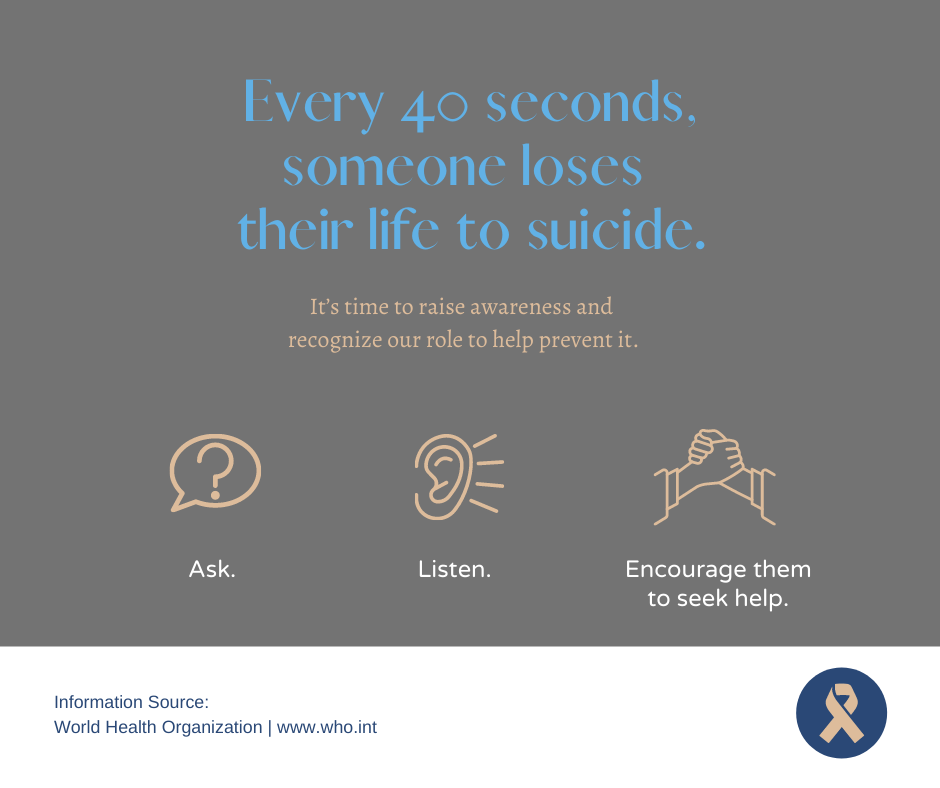
Suicide is a significant cause of death. If you know the warning signs, you might be able to stop yourself, or someone you know, from ending their life needlessly. Ask, listen, and encourage them to seek help. The number for Suicide and Crisis Hotline is 1800 273 8255. 

If you have suffered the loss of a loved one, use this Depression and Loss worksheet, to help you work through your feelings

To Your Success,
Juan

Types of Depression


Types of Depression

The word Depression is often used to describe the disorder, and while the symptoms are classic, it goes beyond the cookie cutter diagnosis. In this post, I will identify the types of Depression, as they vary from one person to the next and on the DSM. One in five people will suffer from depression during their lifetime, and it is the leading cause of disability worldwide. 

The good news is that depression is treatable. There are several forms of depressive disorders.

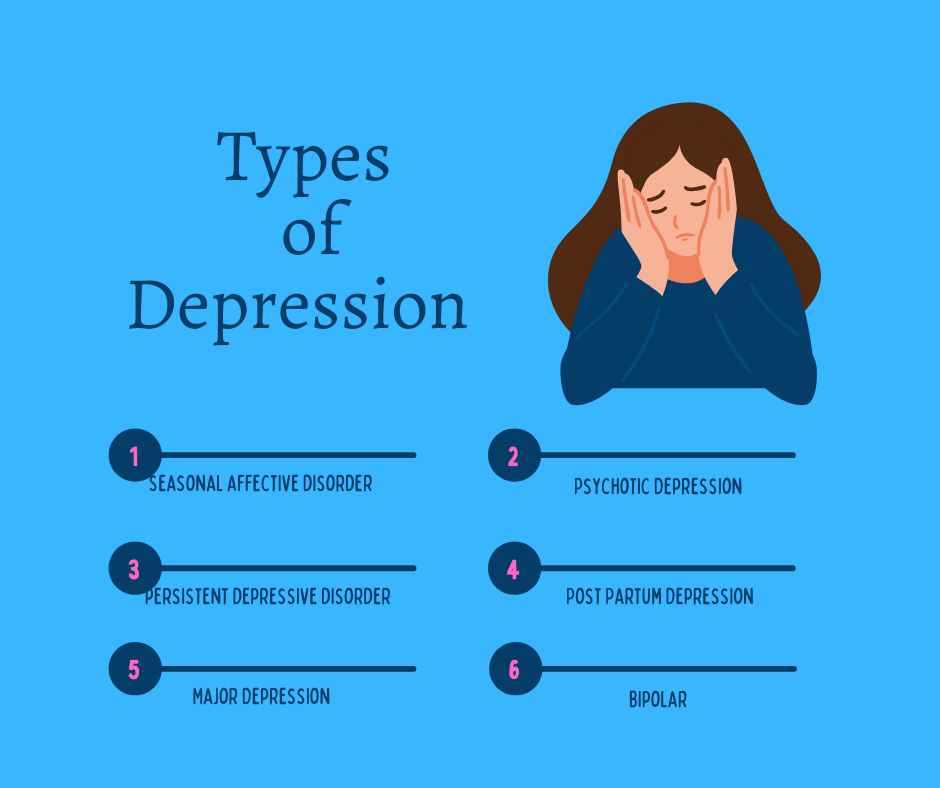
Major depression—severe symptoms that interfere with your ability to work, sleep, study, eat, and enjoy life. An episode can occur only once in a person’s lifetime, but more often, a person has several episodes.

Persistent depressive disorder—depressed mood that lasts for at least 2 years. A person diagnosed with persistent depressive disorder may have episodes of major depression, along with periods of less severe symptoms, but symptoms must last for 2 years.

Some forms of depression are slightly different, or they may develop under unique circumstances. They include:

  • Psychotic depression, which occurs when a person has severe depression plus some form of psychosis, such as having disturbing false beliefs or a break with reality (delusions), or hearing or seeing upsetting things that others cannot hear or see (hallucinations).
  • Postpartum depression, which is much more serious than the “baby blues” that many women experience after giving birth, when hormonal and physical changes and the new responsibility of caring for a newborn can be overwhelming. It is estimated that 10 to 15 percent of women experience postpartum depression after giving birth.
  • Seasonal affective disorder (SAD), which is characterized by the onset of depression during the winter months, when there is less natural sunlight. The depression generally lifts during spring and summer. SAD may be effectively treated with light therapy, but nearly half of those with SAD do not get better with light therapy alone. Antidepressant medication and psychotherapy can reduce SAD symptoms, either alone or in combination with light therapy.

Bipolar disorder  also called manic-depressive illness, is not as common as major depression or persistent depressive disorder. Bipolar disorder is characterized by cycling mood changes—from extreme highs (e.g., mania) to extreme lows (e.g., depression).

Dysthymialess severe type of depression, dysthymia (or dysthymic disorder), involves long-lasting symptoms that do not seriously disable, but keep one from functioning well or feeling good.

Source: National Institute for Mental Health.

As always, please speak with your medical or mental health provider to confirm diagnosis and get the help you deserve. Next up, we will look at Suicide, as Depression is the leading cause. Suicide is a heavy topic, but I cannot fail to address it in a mental health series.

To Your Success,
Juan 

What Is Depression?


March babies, how are you?!

Wishing you a year filled with happiness, contentment, and more joy than you could ever hope for.

Let’s continue the mental health series, this month the focus is on  Depression.

Shortly after Mss USA 2019 Cheslie Kryst’s death, her mom April Simpkins, released a statement which reads in part “While it may be hard to believe, it’s true. Cheslie led both a public and a private life. In her private life, she was dealing with high-functioning depression which she hid from everyone — including me, her closest confidant — until very shortly before her death.” Are you, or someone you know suffering from high functioning Depression? Given all that’s happening in the world, now is not the time to sweep things under the rug. Cheslie’s suicide is a wake up call. Should be.

If you ask a group of people who suffer from clinical depression to define the illness, you’ll get a variety of answers. Depression is a very personal experience, faced by millions. Different people manifest different symptoms. One thing remains clear: depression is a difficult illness, that can destroy your life if left unresolved.

Many people with depression, describe it as a sense of despair, that engulfs everything they do and feel. If you think being depressed is akin to feeling sad, because your favorite team just lost the championship game, you really have no idea, what suffering from this debilitating mental illness truly is. Depression is much deeper, more invasive than sadness or frustration.

Depression takes everything away from you; saps your energy, focus, concentration, and especially your joy. You don’t care about anything; nothing matters, and even people you love can become unimportant. If you’ve felt  depressed for a long time, you become accustomed to the feeling, and any other emotion becomes unfamiliar, and frightening. 

Physical Concerns of Depression
Depression doesn’t only take its toll on your emotions, and mental state; it can cause serious physical problems. You can lose your appetite or eat incessantly. It zaps your energy and motivation. When you’re depressed, you tend to become inactive. This alone can lead to a number of problems, but when added to other physical side effects, it’s easy to see why depression should always be given the care and concern it deserves

In addition, depression can lead to:

  1. 1. Lack of sleep. Insomnia strips the body of the necessary sleep, needed to function properly.
  2. 2. Poor nutrition. When depressed, many people fail to take in proper nutrients. It takes too much effort to plan and prepare a meal. 
  3. 3. Aches and pains. If anyone tells you that your mental state has no effect on your physical state, they are wrong. When you’re depressed, the chemicals in the brain that signal pain, and happiness, are affected in the same way. Physical aches and pains increase, sad feelings kick in, repeating the cycle.
  4. 4. Hygiene issues. Someone suffering from depression doesn’t have the energy or the motivation to be concerned with self-care.

What are the Symptoms of Depression?

  •  Constant and severe sadness about everything
  •  Hopelessness
  •  Insomnia or trouble sleeping
  •  Irritability
  •  Trouble concentrating
  •  Loss of interest in things that once interested them
  •  Feeling worthless, useless and strangely guilty for no reason at all
  •  Serious change in weight, one way or the other
  •  Lack of energy and fatigue

Depression is a serious condition and should be treated as such.
As depression progresses, it feeds on itself like a rolling snowball. The longer someone is depressed, the worse it gets, until they see no way out.  It is not uncommon to resign yourself  to being miserable all the time. Depression can be caused by a certain event, change of seasons, loss of someone close, or even a chemical imbalance in the brain. Treatment usually involves counseling or medication that helps alter brain chemistry. 

If you know someone who is depressed, one of the most important things you can do, is to be his or her friend. Talk to them and help them through this period. Help them seek medical care to treat their illness. If you think you may be depressed, talk to a health care provider. Depression doesn’t have to ruin your life! With support, you can move past it, and go on to live a joyful life. 

Download this  FREE copy of a Depression Checklist. Take it with you when you visit your medical provider, especially if the feelings have laster more than two weeks

You Your Success
Juan

How to End Anxiety Through Meditation


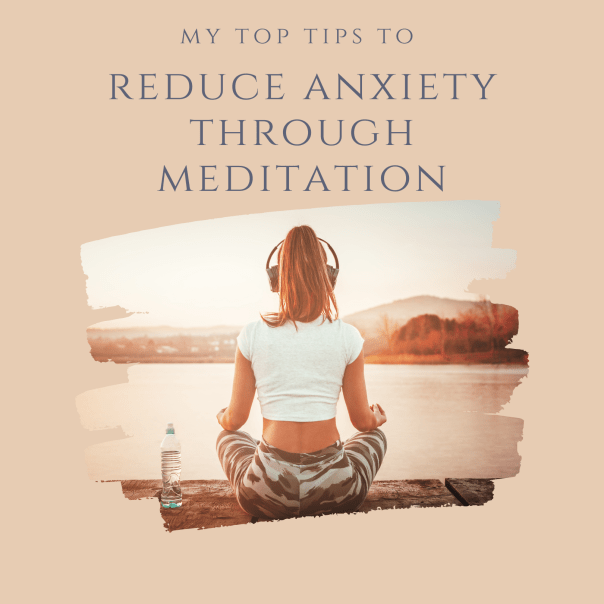
When it comes to using meditation to manage anxiety, multiple studies have reached the same conclusion. Mindfulness can help you to stop worrying. Almost 7 million Americans experience Generalized Anxiety Disorder, and many more have occasional bouts of fretfulness due to pressures at work or home. While you can’t remove the stress from daily life, there are steps you can take to feel more at ease. Try these natural remedies.

Anxiety-Related Benefits of Meditation

Researchers have been studying how meditation affects a wide variety of health issues. The American Medical Association, reported that meditation appears to be most effective in addressing anxiety, depression, and pain management.

  1. Focus on now. Most anxiety tends to be centered on rehashing the past or anticipating the future. Meditation encourages you to engage fully with the present moment. Your attention switches from useless regrets and fears, to constructive endeavors.
  2. Connect with your body. Chronic anxiety takes a toll on your physical health through inflammation and other symptoms. Scanning your body reminds you to lower your shoulders and unfurrow your brow.
  3. Change your brain. Meditation alters your brain so your contentment will grow. Stress hormones decrease and serotonin levels rise. Gray matter enlarges, while the amygdala, which processes fear, shrinks.

How to Meditate to Reduce Anxiety

Meditation can be adapted to suit your individual needs. Take classes or sit at home for free on you own schedule.

  1. Start off gradually. The benefits of meditation can often be seen within a week or two, and even 10 minutes a day pays off. Set aside a brief time each day for contemplation.
  2. Clarify your purpose. You may want to use meditation as part of your spiritual practice or take a completely secular approach. Meditation is not necessarily religious. You can develop greater peace of mind with your own set of beliefs.
  3. Separate facts from feelings. Introspection helps you to distinguish between actual events and your inner thoughts and emotions. As you train yourself to think objectively, you can achieve greater control over your reactions.
  4. Develop insights. Examining your mind also helps you to understand yourself and others. You may discover the root causes of your anxieties and how best to deal with them. Maybe you’ll want to replace negative expectations with a sense of curiosity. Perhaps you’ll pay more attention to the kindness you receive from others instead of conflicts.
  5. See your doctor. While meditation is powerful, your physician may recommend treatments including cognitive therapy and medication if your anxiety persists. You can still practice meditation and other self-care to aid your recovery. Let your doctor know what you’re doing on your own.

Other Natural Anxiety Aids

Meditation is even more productive when you combine it with other healthy lifestyle choices. Take a look at your daily habits.

  1. Eat whole foods. A diet full of processed foods and sugar aggravates anxiety and depression. Get most of your calories from vegetables, fruits, whole grains, healthy fats, and lean proteins.
  2. Limit alcohol and caffeine. Too much coffee may give you the jitters, and self-medicating with alcohol usually backfires. See if cutting back makes a difference.
  3. Exercise more. Physical activity melts away anxiety and stress. That’s especially true for vigorous aerobic workouts like running or rowing. When I am at the gym, I have to force myself to leave. I find working out very addicting.
  4. Rest and relax. Fight anxiety with a good night’s sleep and occasional breaks during the day. Go to bed on a consistent schedule.

If anxiety is interfering with your life, help is available. Achieve greater peace of mind through meditation, and see your doctor if you need additional support. You tube has a lot of free meditation guides and resources.

To Your Success,
Juan

Can Changing Your Diet Really Help With Anxiety?


Did you know your diet can affect anxiety levels? If you’re tired of only using medications for your anxiety, consider how you can incorporate lifestyle changes such as diet modifications. As with any change you may be considering, talk to your doctor ahead of time about any concerns you may have. 

Try these diet strategies to help lessen anxiety symptoms:

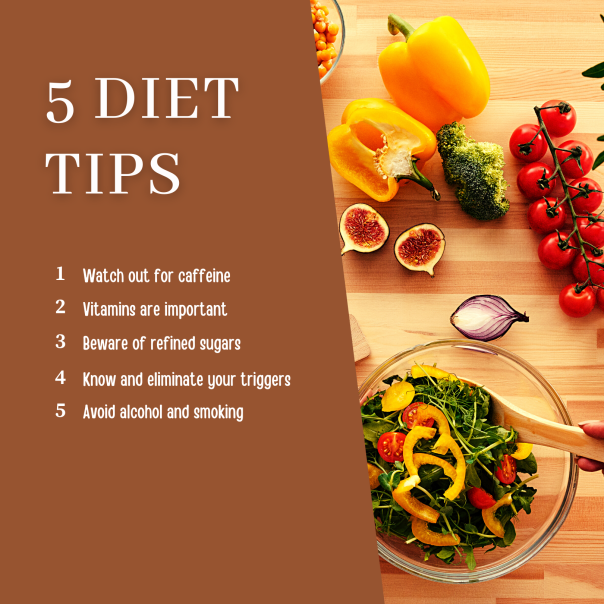
  1. Eliminate alcohol. Although there is a belief alcohol relaxes the body, it can be harmful for those with anxiety. Alcohol makes you more dehydrated. It can also affect hormone levels, and cause changes in your brain, including gamma aminobutyric acid (GABA) which helps to regulate anxiety.
  • If you drink too much, you may not be eating enough. Alcohol has a lot of calories and carbohydrates. Not getting the right nutrition can increase anxiety. Experts point out that the toxins in alcohol can increase anxiety attacks. 
  1. Watch out for caffeine. Kicking a caffeine habit is tough. However, eliminating caffeine can help reduce anxiety. 
  • Too much coffee can act like a stimulant for anxiety. Pay attention to other hidden sources. Red Bull might give you a much needed boost, however, the long term effects are detrimental. Caffeine can increase your heartbeat, and make you feel like you are having a panic attack
  1. Beware of refined sugars. Refined sugars can make anxiety worse, they hide in many of the foods you eat. They act like a stimulant.
  • Carefully read labels to ensure that there are no refined sugars. Consider downloading a free food and nutrition app, to help when grocery shopping. Refined sugars can be in many things that you might not even suspect, including bagels, cereals, oatmeal, crackers, and other products. Even canned vegetables may have unnecessary added sugar. 
  1. Get enough B vitamins. Research shows a lack of B vitamins in your body can contribute to anxiety.
  • It’s easy to get a deficiency of these vitamins, so try to eat more legumes, meats, eggs, rice, leafy greens, and other sources of these nutrients. Consider eating more asparagus and avocado. Studies have revealed that these two vegetables can lessen the symptoms of depression and anxiety. Avocado has B vitamins and asparagus have folic acid. 
  1. Look for your own triggers and eliminate them. You may have specific foods that trigger anxiety, so it’s important to determine which foods can negatively affect you. 
  • In some cases, the anxiety-triggering foods or beverages are linked to traumatic events. A difficult memory can rise to the surface after eating or drinking them, causing anxiety. In other cases, food intolerances and allergies may cause anxiety. There are reports that show Many of the common triggers include dairy, gluten, processed foods, soda, and fried foods.
  • Keep a food journal and track how you feel after eating dairy, fried foods, or other things you suspect may be triggers. Make a note about your emotional well-being before and after eating each item. This will help narrow down the list and make it easier to see what food should go. 

The food that enters your body can affect more than just the scale. It can also affect anxiety levels. Pay attention to what you eat each day and keep track of anxiety symptoms that manifest themselves after you eat certain foods. I hope this post helps you examine how diet does affect your mood. Once you have identified that both are linked, consider a Nutritionist consultation. Please feel free to share this article with anyone in your circle!

To Your Success,
Juan

7 Tips To Help Support Your Partner With Anxiety


If you are married to, or have fallen in love with someone who suffers with anxiety, you may know how difficult life can be for them. Luckily, there are things that you can do to help to support them, making life more joyous for you both. Let’s dive right in.

Consider these ideas:

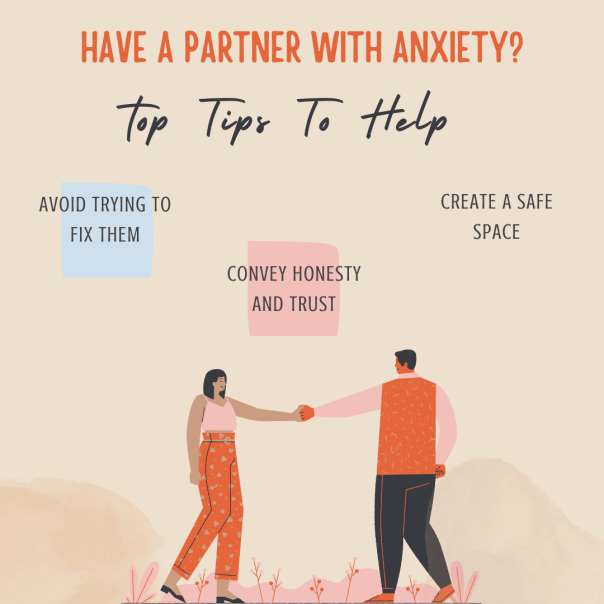
  1. Avoid trying to fix them. Acknowledge that you are their wife, husband, boyfriend, girlfriend, partner, or lover, and not their Therapist. While you can be there to help support them through any tough times, it’s important to avoid pressuring them into behaving how you believe they should behave.
    • When you put such additional pressure on them – even if you think that following your advice would help them – you may cause them to feel as though they have failed you, which will only exacerbate any anxiety they are feeling.
  1. Avoid telling them why they shouldn’t be afraid of something, no matter how tempting. Even if you think your partner fears are irrational, telling them what you think most likely will not help.
    • Instead, you can initiate a discussion around why this particular issue is upsetting. Sometimes talking can help reduce any fear being suffered.
  1. Be honest with your partner. Avoid treating them as a child who cannot cope with any sort of bad news. This can cause a challenging dynamic in your relationship.
    • Instead, be honest. For example, if you are going to be late getting home, let them know so they won’t imagine you dead in a ditch. If you have a large bill to pay, keep them in the loop instead of trying to hide it.
    • Hiding the truth can lead your partner to picturing the worst possible scenario.
  1. Understand that their idea of happiness may be different than you own. Some people may find happiness in partying or dancing, while others enjoy traveling and showing off those Instagram pictures.
    • Someone with anxiety may find happiness in a day passing without suffering from a panic attack. These small victories can mean a lot.
  1. Make them feel safe. This is one of the most important tips. Someone who suffers from anxiety may feel unlovable. Reassure them that you are both on this journey together.
  1. Remember that you are allowed to live your life. Just because your partner has anxiety does not mean that you can’t have a life of your own. You are still allowed out to meet your friends, go to a party, have hobbies, or do something else just for you.
    • When you leave the house without your partner, reassure them you are going to be okay, you will be thinking of them, and you will soon be back home safe and sound.
    • Whether your partner has anxiety or not, practicing self-care is important! Self-care helps to keep you physically and mentally fit and can prevent feelings of resentment against your partner.
    • Remind yourself that you and your partner are more than just anxiety. Anxiety does not define either one of you.
  1. Ask their opinion. Your partner may already know some things that you can do to help them relieve anxious feelings. Listen to them! No one knows them better than they do, and what they have to say is important.

Putting these ideas into practice can help relieve anxious feelings and strengthen your relationship with your partner. A counselor, therapist, or support group can also help immensely with additional strategies and techniques, to alleviate anxiety and strengthen your bond as you go through this journey together.

What do you think of these tips? Which one will you implement?

To Your Success,
Juan

7 Tips to Help Your Child Deal With Anxiety


If you are the parent of an anxious, shy child, you know the constant worry about how the world is reacting to them. It can be a scary place, and many children have good reason to worry. However, many children worry much more than is reasonable for the situation.

Anxiety isn’t always a bad thing. A person should be worried if they’re in a dangerous situation, for example. Anxiety is protective, but too much or inappropriate anxiety isn’t healthy.

Use these strategies to help your child overcome their anxiety:

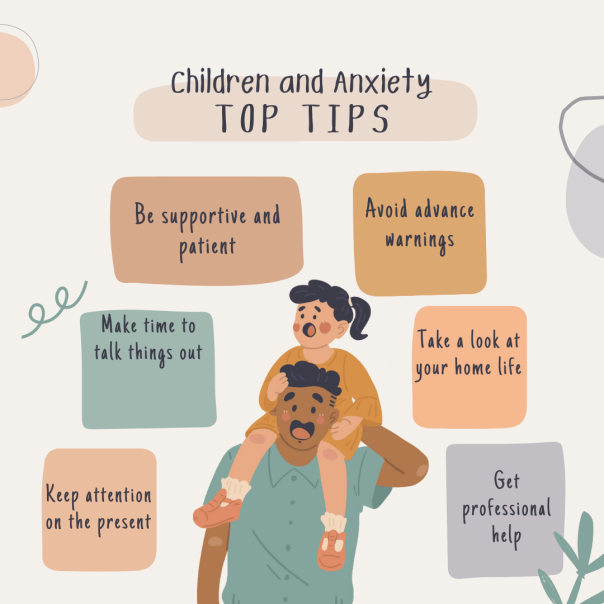
  1. Be supportive and patient. It can be frustrating when your child is constantly worried about things that seem meaningless or silly. However, the anxiety they feel is just as real to them, as your anxieties are to you. You don’t get to choose the emotions or fears of other people.
    • Let your child know you’re sensitive to their feelings and are always there to support them.
  2. Avoid giving too much warning about a stressful event. If you know your child stresses out about going to the dentist, it’s best not to announce a dentist appointment three weeks in advance. The morning of the appointment is just fine. For some children, it might be even better to say, “Put on your shoes, we have to go to the dentist.”
    • Too much notice can provide too much time to worry. Figure out how much time your child needs to keep their anxiety at a minimum. Some children appreciate a little time to process what’s going to happen. Every situation and household is different.
  1. Talk it out. Ask your child what they’re worried about and why. Talk about why this fear is or isn’t valid. In other words, look for evidence to prove or disprove the reason for the fear.
    • If the fear is valid, develop a plan together to handle the issue.
    • If the fear isn’t valid, help your child to trust the evidence they found that negates the reason for the anxiety.
  2. Help your child to keep their attention on the present. We can only worry when we project our attention into the future and imagine negative outcomes. This is largely a habit.
    • Teach your child to focus on the present moment and their surroundings. Show your child that it’s more effective to focus on what is, rather than what might be.
  3. Take a look at your home life. Is your home life stressful for your child? Do you and the other parent get along well, or is there a lot of tension and arguing? Are there financial pressures in the household, the child is aware of?
    • Children might give the impression that they’re not listening, but they are surprisingly adept at figuring out what’s going on.
  4. Avoid avoidance. You might think you’re being nice if you help your child to avoid everything that causes them to feel anxious, but you’re actually contributing to the issue.
    • Each time your child is allowed to avoid the situation due to anxiety, there’s a part of her brain that says, “Hmmmm. If I make her feel anxious, we can get out of doing these things.”
    • The brain quickly learns what works. Next time, the anxiety will be even stronger. The brain will continue turning up the volume, until it’s satisfied.
    • Avoiding a stressor brings relief, which is very rewarding. The urge to avoid only becomes stronger as it’s reinforced.
    • Be supportive but avoid letting them off the hook.
  5. Get professional help. It’s very challenging for a parent to effectively help a child with moderate to severe anxiety issues. It’s likely that professional help will be useful. Find a therapist or psychologist that specializes in children of your child’s age.

Many children suffer from worry. They’re under a lot of social scrutiny at school, and kids can be cruel. They have little control over their lives. Most aspects of their lives are controlled by parents or teachers.

If your child is anxious, it can be heartbreaking to see them worry all of the time. It can also be frustrating when their worries seem pointless to you. Be supportive, patient, and get professional help if your efforts prove to be insufficient. 

Got a partner who suffers from anxiety? You’ll want to look out for the next post.

To Your Success,
Juan

What You Need to Know About Health Anxiety


When you’re living through a pandemic, it’s natural to pay more attention to any symptoms that seem suspicious. However, if these concerns are interfering with the quality of your life, you may be experiencing health anxiety.

That’s the modern name for what used to be called hypochondria. It often starts in early adulthood and grows more serious as you age. You may be convinced that you have one or more major illnesses, even if lab tests and other evidence prove otherwise. Health anxiety varies in intensity. You may be able to put your mind at rest with some effort on your own, or you may need to seek professional care. Try this guide for understanding your options.

Medical Care for Health Anxiety:

  1. Consider counseling. Health anxiety is often connected to other disorders, including other forms of anxiety. You may benefit from cognitive behavior therapy or similar methods that can help you address your overall well being.
  2. Take medication. Talk therapy may be enough, or your doctor may prescribe drugs. That could include antidepressants and anxiolytics that reduce anxiety.
  3. Communicate clearly. If you tend to exaggerate your symptoms, it may be difficult for your doctor to assess your condition. Keeping a journal may help, or you could ask a spouse or partner you live with to share their observations.
  4. Explore family history. You may be more prone to health anxiety, if you or a family member had a serious illness while you were growing up. Let your doctor know if this could be a factor.
  5. Seek appropriate care. While many patients with health anxiety spend too much time at the doctor’s office, others go the other extreme. If you’re afraid of finding out you have an illness, keep in mind that early diagnosis can often give you the best possible outcome.

Self Care for Health Anxiety:

  1. Educate yourself. Maybe you perceive ordinary experiences as being more dangerous than they really are. Learning about common minor ailments could help you keep things in perspective, when you have a headache or an upset stomach.
  2. Limit online searches. On the other hand, maybe you’re overwhelmed from reading too many medical sites. Take a break and find other pastimes. Like you, I have Googled my symptoms when I felt unwell, and convinced myself it was time to get my affairs in order.
  3. Help others. Shifting the focus away from yourself is one of the most effective and constructive distractions. Volunteer at a food bank or animal shelter in your area. Start a community garden in your neighborhood. Find a cause you can get behind.
  4. Manage stress. Chronic tension can aggravate any condition, including anxiety. Try to think positive. Experiment with relaxation techniques to find what works for you. Listen to music, or book a massage.
  5. Be active. Do you avoid doing things you used to enjoy because you think you’re not strong enough? Encouraging yourself to stay engaged could lift your spirits and help you to be more realistic about your abilities.
  6. Sleep well. Anxiety interferes with sleep, and sleep deprivation leaves you feeling out of sorts. Make it a priority to stick to a consistent bedtime that gives you 7 to 8 hours of rest each night. Limit alcohol and caffeine, especially later in the evening.
  7. Breathe deeply. For fast relief, practice breathing exercises that can calm you down or give you energy.
  8. Build support. Let your family and friends know how they can help you. Talking with someone you trust may help you deal with emotional issues that could be contributing to your health anxiety.

If you think you or a loved one may be troubled by excessive and irrational health concerns, talk with your doctor. An effective treatment plan can help you to take care of your mental and physical wellbeing and enjoy life more.  The next three posts will offer ways and tips to help family members with anxiety. Look forward to having you.

To Your Success,
Juan


I’d Rather Die.


…than speak in public. Is this you? Cold sweats, tongue tied, sweaty palms, trembling, hives…Fortunately, I do well enough, but it doesn’t mean that right before I take the podium, butterflies don’t suddenly appear, and leave as quickly as they come. I have spoken in front of thousands, taught classes, and took part in debates. The comfort and ease did not magically appear.

If you find yourself getting anxious at the thought of meeting new people, or speaking in front of a group, you may be suffering from social anxiety. According to the American Depression and Social Anxiety Organization, more than 6% of Americans suffer from SAD (Social Anxiety Disorder). It affects men and women equally, often beginning at age 13. More than a third of those suffering with the condition, wait years before seeking help. Social anxiety causes one to avoid social situations. Many people rely on self-medication, drugs, and alcohol, to get them through life.

Luckily, there are methods you can use to find relief in healthy ways!

Try these effective strategies:

  1. Put yourself out there. It can be a daunting prospect, but try to accept invitations, even if you don’t particularly want to go. With a positive attitude, the more you practice, the easier it becomes.
  1. Get help from a professional. Of course, talking to a close friend about your anxiety may help, but remember they aren’t trained for this. Make an appointment to speak to a professional therapist. They should be able to suggest some customized coping mechanisms that would work for you.
  1. Strengthen your overall health. Poor health can leave you feeling anxious. Eat nutritious foods and exercise regularly. Both uplift your mood and can decrease stress and anxiety. Exercise has been shown to release feel-good hormones.
    • Besides getting some exercise, joining a local fitness class can also allow you to practice meeting new people while those feel-good hormones are in full effect. Plus, who knows – you might just make a new friend.
  1. Write it down. List the times that you have managed to overcome your fears. What did you do in the situation? How did you feel when this happened?
    • Whenever you encounter an event where you are feeling socially anxious, write that down, too. How does it compare with the ones on your list?
    • Regular reflection of the times you were successful combating your fears, can help with current situations.
  1. Congratulate yourself. You may not be confident in public, but you have plenty of other things to be proud of! Recognize and remind yourself of any achievements. This will help boost your confidence.
  1. Practice your social skills. Learn how to make introductions and give compliments. Practice making eye contact and remembering names. Listen to what others have to say and keep the focus on them – not you.
    • These few skills will not only help you through a social situation, but the other person will walk away from the conversation feeling like a million bucks!
    • Remember – others will not always remember what you said, but they will remember how you made them feel!
  1. Join a support group. Talking to others who are undergoing the same challenges can be comforting. Group members can encourage, offer support ,and advice from their own experiences.
  1. Try going to new places. You’ll meet new people. I have taken many solo adventures abroad, and I’m still in touch with some of the best people I know. Using your new skills to interact with them will give you more practice and confidence in dealing with social situations.
  1. Remember that you don’t need to be perfect. Those with social anxiety have a tendency to believe they need to be perfect. This is not attainable for anyone! Instead try and enjoy the moment and have a “that’ll do” attitude.
  1. Read a self-help book. There are many inspiring stories about others with social anxiety who have transformed their lives after overcoming their social fears. These stories can motivate and encourage you to keep trying..

Breaking the cycle of social anxiety will take some time and practice, but you can do this! Reward yourself for each small step you make. Focus on the journey ahead, and the steps you can take to bring you success. One of the above suggestions on their own, might not solve your problem. Furthermore, everyone is different, try a combination of things, and keeping a journal of what works, will go a long way.

You might be wondering, how I developed the habit of being able to confidently speak before large crowds without falling apart. Bear in mind, change is generally incremental. I also have an aptitude for it. However, start small, try practicing in front of friends and ask for feedback, get enough rest the night before a big social event, meditation, journaling, and challenging negative self talk, have all contributed to success.

To Your Success,
Juan