Strategies For Putting Yourself First


Below are some healthy ways to help you develop the habit, without burning bridges or negatively affecting your energy, enthusiasm, and motivation. These tips will help you achieve your goals, protect your mental and physical wellbeing, and overcome even your biggest challenges. Bear in mind, if you do have to burn some bridges, don’t dally, just get on with life, and know you are doing what is best for your future self.

Choose Your Purpose: Having a clear purpose is essential. It is the simplest, most basic thing every person needs to live a fulfilling and satisfying life. Without a purpose, you will end up living your life haphazardly. Your purpose also makes it easier for you to say ‘No’ to people and things that do not align with your highest good. Living it helps you identify what you need to do and when. Consciously reaffirming your purpose regularly multiplies your efforts of taking action.

Live by a Vision: Putting yourself first also requires that you develop a clear vision of the life you want to lead. A vision keeps you focused on the journey, and will allow you to effectively prioritize your tasks and projects as the important things will align with your purpose and vision of your ultimate life. To get clear about your vision, start by reflecting on these three questions: Who do I want to be? What do I want to do? How do you want to feel? If you are unsure about your vision, ruminating on these questions will assist you in getting clear. 

 Set Personal Goals and Plan: wise way to ensure your vision becomes a reality. Goals make the realization of your vision much more achievable, will keep you motivated and focused on what you want out of life. After taking the time to set your goals, set aside regular time to plan how you will achieve them.

 Learn New Skills: As you draw up your goals and develop your vision, you may find you need to learn new skills to make your ideal life a reality. Take some time to identify those areas that you may be lacking. Then take proactive steps to bridge the gap between your present level and your desired level.

Set Personal Boundaries: skill you need to master when learning how to put yourself first, because you will need it a lot on every step of your journey. That is especially true if you tend to be a people-pleaser. Others are used to you backing down and giving them what you want, so you’ll need to stay strong. Look them in the eye and kindly say, “No, thank you.” Even when they try to convince you to think otherwise, practice sticking to your decision by not get pressured into consenting. Setting personal boundaries is a vital skill because it enables you to defend your time and your rights which is an essential component of putting yourself first.

Get Active: Putting yourself first isn’t only about goal setting and getting ahead. It’s also about taking the time for self-care. After all, if you don’t take care of your health, you’ll be unable to live your purpose or fulfill your life’s vision. Put yourself and your health first by starting a program of regular exercise as soon as possible if you aren’t already doing so. Engaging in a brisk daily walk is all that’s needed to improve and maintain your health.

Eat Healthy: A healthy diet is equally as important as your body’s need to exercise. Eating a nutritious diet is a huge part of taking care of your health and putting yourself first. If your diet needs a major overhaul, take it one step at a time and work your way up to your ideal diet. Remember, putting yourself first is about being kind to yourself.

Get enough rest: Getting sufficient sleep is another essential component of putting yourself first. It is also necessary for boosting your performance and replenishing your energy. By getting enough sleep, you will be better equipped to face the hurdles of the new day with greater confidence, energy, and enthusiasm. Never allow anyone or anything come between you and the need to get enough sleep.

Schedule Relaxation: Sometimes you may be lacking the energy you need to live your ultimate life. Rather than trying to push through such times, it is better to maximize your relaxation and recovery. You can engage in activities that will help reduce fatigue and replenish your energy, such as meditation, yoga, massage, or a quick nap. If you find you run low on energy and motivation on a regular basis, start scheduling relaxation or downtime into your day. A consistent relaxation routine will keep you on more of an even-keel, so you don’t burn out.

Journal : Apparently, you have 60,000 or more thoughts per day. When you feel you have a lot to do and you are overwhelmed with too many ideas, journaling will help clear your head, can lead to better self-awareness, which is the foundation of putting yourself first. You can journal any way you wish—with paper and pen or by using an app. You might choose to journal every day or only when you feel overwhelmed or unsettled. Whatever works for you is perfect.

Practice Gratitude: Take some time each day to reflect on the positives in your life. It’s easy to focus on the things we’d like to change and neglect to be appreciative for all we have. It is very important to have a realistic perspective on your life and identify the positives for the sake of your health and wellbeing. As you find the time to write down and reflect on all the things you are grateful for each day, you will reduce your stress levels and naturally find more and more to be grateful for in your life.

Putting yourself first is something you must make a conscious effort to do. You must fill your cup first, or you will end up with nothing left to give.  Be prepared for pushback, as this new way of living might not sit well with those in your circle, who take, take, and take. Stand your ground, in a few months, you won’t recognize the person staring back at you in the mirror!

To Your Success,
Juan

 

Things You Should Know About Seeking Treatment For PTSD


There isn’t a one-size-fits-all solution to PTSD, and it most likely will not be resolved in a short amount of time. Furthermore, if there are comorbidities involved, it will take longer for the therapist to determine what diagnosis and treatment are appropriate. The type of treatment you or your loved one receives is up to your therapist, but below are some common forms of treatment.

Cognitive Processing Therapy
Cognitive Processing Therapy (CPT) is a specific type of therapy used to help people change the way they view trauma. It has been effective in helping reduce symptoms of PTSD, and many mental health specialists recommend this course of action. It’s thought to be one of the most effective treatments available. Trauma changes the way a person feels about themselves and the world, often causing them to develop an overly negative and hopeless view of things. This type of therapy can help them begin to reprocess the way they think about things. 

Prolonged Exposure Therapy
Since avoidance is a symptom of PTSD, therapists will sometimes use a treatment called Prolonged Exposure therapy (PE). This treatment helps people confront the things they’re avoiding in increments. This type of therapy will induce more anxiety and stress than CPT typically does, so therapists will try to equip their patients with anxiety-reducing coping skills.

Eye Movement Desensitization and Reprocessing
EDMR is a different kind of treatment than talking through traumatic events. Instead, the patient is asked to think about the traumatic event while the therapist directs their eye movement. It’s thought that the eye movement while remembering a traumatic event can help drain the emotion and negative feelings attached to it. This type of therapy is still relatively new and is considered a non-traditional form of therapy. 

Medication For PTSD
For some, medication may be helpful in addition to therapy. According to the National Center for PTSD, antidepressants are sometimes effective for treating symptoms of PTSD. These types of medications include SSRIs (selective serotonin reuptake inhibitors) and SNRIs (serotonin-norepinephrine reuptake inhibitors). Your doctor or therapist can help you determine if medication might be right for you.

Treatment for PTSD may not be a cure, as with most mental health disorders total recovery can be difficult or unobtainable. However, many people who receive therapy see a significant and life changing improvement of symptoms. For some, therapy may even lead to a near absolution of symptoms. 

If you’re suffering from PTSD or you know someone who is, know that there are people who can help:

  • The Substance Abuse and Mental Health Services Administration is available 24/7 by calling 1-800-662-HELP (4357).
  • For veterans, the National Center for PTSD is also available by calling 1-800-273-8255 or you can reach online here: https://www.veteranscrisisline.net

Hotlines are a good short-term solution, that should be followed up with therapy work from a trained professional. Build up a support network of people ready and willing to help when symptoms of PTSD become overwhelming.  Be patient with yourself (or your loved one) because PTSD is a real disorder that requires time and care to improve.

Remember, setbacks don’t erase all progress. For best results, learn all you can about PTSD, seek professional help, and keep your focus on healing. 

To Your Success,
Juan


Here Is What Experts Say About The Symptoms Of PTSD (pt1)


Now that you have more insight into its origins, time to examine the four main symptoms, some of which goes beyond what you already know. PTSD may not look the same in every person, and not all people will experience the same severity of symptoms. However, all people with PTSD will exhibit four main symptoms.

  • Re-Experiencing, or Intrusion
  • Avoidance
  • Hyperarousal or “on edge”
  • Negative Cognitions and Mood Symptoms (Feeling worse about yourself or the world)

Most will experience one or two of these symptoms, but people with PTSD will suffer from all of them to some degreeSymptoms usually appear within 6 months of the trauma, though at times they might begin manifesting at a later time. According to the DSM-5, in order to be diagnosed with PTSD, symptoms must last longer than 1 month.  Symptoms must be severe enough to interfere with daily life, and must not be related to other factors such as medication, substance abuse, or illness. That isn’t to say that people experiencing PTSD may not also struggle with things like substance abuse, but that it isn’t the initial source of it. 

Re-Experiencing, or Intrusion
One of the tale-tell signs of PTSD. The person is involuntarily reliving the traumatic event that triggered their PTSD. This intrusion of thought may manifest in a variety of ways including:

  • Nightmares
  • Flashbacks
  • Recurring memories
  • Distressing thoughts
  • Becoming stressed in physical ways like sweating or heart palpitations 

Re-experiencing can be triggered by anything that reminds someone of the event such as words, locations, objects, people, or similar situations.  Of the intrusion symptoms, flashbacks are often the most troubling. A person who has a flashback feels like they’re actually re-experiencing the traumatic event in real time.  Dr. Matthew Tull, a professor of Psychology writes: “researchers have found that most often, a flashback centers on the “Warning! Watch out!” moment when, at the time the trauma occurred, the person first felt the threat of danger. This helps to explain why people having flashbacks may take sudden and strong defensive actions, sometimes causing harm to themselves or others—they’re feeling seriously threatened right now”

Avoidance
A person who experiences a traumatic event may find themselves wanting to avoid things that remind them of the event. They may also become afraid of doing something or going somewhere similar to the original traumatic event. For instance, someone who has been in a serious car accident may avoid driving or may be afraid to drive in certain circumstances such as heavy traffic or snowy roads. Someone who has been sexually abused may avoid intimacy in the future.

Other symptoms of avoidance include: 

  • Avoidance of talking about or having conversations that remind a person of the traumatic event
  • Attempt to avoid close relationships with people that may lead to detachment or estrangement
  • Lack of interest in social events or activities
  • Self-medicating with drugs, alcohol, or risky behavior

Have you learned anything new about PTSD by the symptoms indicated above? Sound off below. Part two is next!

To Your Success,
Juan

All You Need To Know About The History of PTSD


Photo : Yay Images

Dear Readers,

Welcome to April! This month, we will focus on Post Traumatic Stress Disorder. There is quite a bit to learn, so let’s start at the beginning. Two years ago all our lives were considerably upended. I live in NYC, and still have  very vivid memories waking up to reports, of another 800-900 souls who lost battle with COVID-19 the day before. The virus raged through the city. With more than 9 million of us packed into in small spaces, it was a recipe for the disaster it was.

The NYC Health Commission has been relentless. Every day, there is a television ad imploring residents to be mindful of our mental health. Free counseling and advice is avaialble to those who are struggling. It’s not a stretch to say many are suffering from pandemic related PTSD.  Many people associate post-traumatic stress disorder (PTSD) with combat soldiers. But many were never in the military. Any traumatic event can result in PTSD.

Post-Traumatic Stress Disorder (PTSD), a trauma or stressor related disorder, is debilitating, and affects roughly 7-8% of the population, according to the U.S. Department of Veteran Affairs. Sufferers experience  symptoms brought on by a traumatic event or series of events. Though PTSD is most commonly associated with people who served in the military, anyone who goes through a traumatic experience is at risk for developing it. 

The American Psychiatric Association defines PTSD this way; a psychiatric disorder that may occur in people who have experienced or witnessed a traumatic event such as a natural disaster, a serious accident, a terrorist act, war/combat, or rape or who have been threatened with death, sexual violence or serious injury.

Populations commonly exposed to traumatic events have a higher average of PTSD than the average citizen. Soldiers who served in Operation Iraqi Freedom (OIF) and Enduring Freedom (OEF) returned with a 10-20% rate of PTSD. Of those who served in the Vietnam War, around 15% were diagnosed with PTSD.  

                                                             HISTORY OF PTSD
Although PTSD has been around for centuries, it wasn’t added to the Diagnostic and Statistical Manual of Mental Disorders until 1980. The term became much more familiar to the common American after the Vietnam War. In other times in American history, PTSD was referred to as other things. Physicians noted changes in people, usually soldiers, that couldn’t be wholly explained by wounds or injuries.

A FEW NAMES USED TO DESCRIBE PTSD BEFORE 1980

  • Nostalgia. Coined by Swiss physician Dr. Johannes Hofer in the late 1600s to describe soldiers experiencing deep despair, homesickness, sleeplessness and anxiety. 
  • Soldier’s/irritable heart. Used by Dr. Jacob Mendez Da Costa, to describe physical issues soldiers in the Civil War, not related to combat wounds; constricted breathing, heart palpitations, and other cardiovascular ailments
  • Railway spine or railway brain. PTSD terms not related to soldiers. During the 1800s, railroad travel became very common. It also saw a stark rise in railroad related accidents. People who survived these accidents sometimes suffered from anxiety and sleeplessness, referred to as railway brain.
  • Shell shock. Term used after World War I. A particularly brutal war, with many soldiers coming home experiencing things like anxiety, nightmares, impaired sight and vision, tremors, and fatigue. They were directly exposed to exploding shells on the battlefield, giving the name “shell shock” it’s origin.
  • Gross stress reaction. Used in the DSM-I in 1952 to diagnose psychological issues connected to traumatic events. It was believed symptoms would only last a short period of time. If they persisted longer than 6 months, it was no longer thought to be related to a specific traumatic event.
  • Adjustment reaction to adult life. In 1968, PTSD-related terms were removed and replaced with the words “adjustment reaction to adult life.” Many experts believe this change failed to truly encompass the disorder and related complications and was a step in the wrong direction.
  • Post-traumatic stress disorder. Officially added to the DSM-III in 1980. Writers of the DSM-III used symptoms from people who had survived traumatic events such as war veterans, Holocaust survivors, and sexual victims to help develop the diagnosis description.

PRE 1980’S DEFINITIONS

The 1980s term PTSD was a major shift in the way people began to view reaction to trauma. During World War I, many perceived soldiers with PTSD symptoms as being weak or feeble. It was thought that the things they were feeling were due to a poor constitution. 

The change during the 1980s put PTSD in an entirely new light. According to the U.S. Department of Veterans Affairs. “From an historical perspective, the significant change ushered in by the PTSD concept was the stipulation that the etiological agent was outside the individual (i.e., a traumatic event) rather than an inherent individual weakness (i.e., a traumatic neurosis)” In other words, anyone can be susceptible to a physical and mental reaction to a highly traumatic life event. 

                                                 PTSD IN THE DSM-5 (IN 2013)
In 2013, the Diagnostic and Statistical Manual was updated. PTSD was changed from being categorized as an anxiety disorder, to a “trauma or stressor-related disorder.” One of the reasons for this change is that PTSD is not only exhibited as anxiety. 

Psychiatrist Dr. Tracey Marks explains: “with the Diagnostic and statistical manual that came out in 2013, it was moved to the category of trauma and stress-related disorders. The significance of this is that PTSD is more than anxiety. People have very complex emotions afterward that include guilt, shame, and anger and those are just examples…but lots of things more than just anxiety”.

Did any of this surprise you? Now that the history has been summarised, The next will look at the symptoms, in a two-part post. There is a lot to unpack, and I think it’s best to deliver some of the information in bite sized pieces. See you soon!

To Your Success,
Juan


What You Need to Know About Health Anxiety


When you’re living through a pandemic, it’s natural to pay more attention to any symptoms that seem suspicious. However, if these concerns are interfering with the quality of your life, you may be experiencing health anxiety.

That’s the modern name for what used to be called hypochondria. It often starts in early adulthood and grows more serious as you age. You may be convinced that you have one or more major illnesses, even if lab tests and other evidence prove otherwise. Health anxiety varies in intensity. You may be able to put your mind at rest with some effort on your own, or you may need to seek professional care. Try this guide for understanding your options.

Medical Care for Health Anxiety:

  1. Consider counseling. Health anxiety is often connected to other disorders, including other forms of anxiety. You may benefit from cognitive behavior therapy or similar methods that can help you address your overall well being.
  2. Take medication. Talk therapy may be enough, or your doctor may prescribe drugs. That could include antidepressants and anxiolytics that reduce anxiety.
  3. Communicate clearly. If you tend to exaggerate your symptoms, it may be difficult for your doctor to assess your condition. Keeping a journal may help, or you could ask a spouse or partner you live with to share their observations.
  4. Explore family history. You may be more prone to health anxiety, if you or a family member had a serious illness while you were growing up. Let your doctor know if this could be a factor.
  5. Seek appropriate care. While many patients with health anxiety spend too much time at the doctor’s office, others go the other extreme. If you’re afraid of finding out you have an illness, keep in mind that early diagnosis can often give you the best possible outcome.

Self Care for Health Anxiety:

  1. Educate yourself. Maybe you perceive ordinary experiences as being more dangerous than they really are. Learning about common minor ailments could help you keep things in perspective, when you have a headache or an upset stomach.
  2. Limit online searches. On the other hand, maybe you’re overwhelmed from reading too many medical sites. Take a break and find other pastimes. Like you, I have Googled my symptoms when I felt unwell, and convinced myself it was time to get my affairs in order.
  3. Help others. Shifting the focus away from yourself is one of the most effective and constructive distractions. Volunteer at a food bank or animal shelter in your area. Start a community garden in your neighborhood. Find a cause you can get behind.
  4. Manage stress. Chronic tension can aggravate any condition, including anxiety. Try to think positive. Experiment with relaxation techniques to find what works for you. Listen to music, or book a massage.
  5. Be active. Do you avoid doing things you used to enjoy because you think you’re not strong enough? Encouraging yourself to stay engaged could lift your spirits and help you to be more realistic about your abilities.
  6. Sleep well. Anxiety interferes with sleep, and sleep deprivation leaves you feeling out of sorts. Make it a priority to stick to a consistent bedtime that gives you 7 to 8 hours of rest each night. Limit alcohol and caffeine, especially later in the evening.
  7. Breathe deeply. For fast relief, practice breathing exercises that can calm you down or give you energy.
  8. Build support. Let your family and friends know how they can help you. Talking with someone you trust may help you deal with emotional issues that could be contributing to your health anxiety.

If you think you or a loved one may be troubled by excessive and irrational health concerns, talk with your doctor. An effective treatment plan can help you to take care of your mental and physical wellbeing and enjoy life more.  The next three posts will offer ways and tips to help family members with anxiety. Look forward to having you.

To Your Success,
Juan


5 Tips for Keeping Self-Sabotage at Bay


Like most people, I want to be productive, but have struggled with self sabotage in the past. It is relatively easy to fall back into old habits. In fact, sometimes I wake up in the morning, with all kinds of enthusiasm for the projects I am determined to going to get done during the day.  Now fast forward a few hours, and suddenly I’m dragging myself home at nightfall wondering where the day went, feeling like I never accomplished anything at all. 

How to get past this? Simple! Here are some things that I have had success with:
Listen to Music
It’s hard to get yourself going if your mood is what’s dragging. Thankfully this is a quick fix. I generally put on some music I love, something fast-paced and catchy for a quick pick-me-up and watch your productivity soar. 
Get up and Move
Like listening to music, putting your body in motion will build your energy levels (so long as you’re not trying to run a marathon). Dance around the room, take a brisk walk or try a few jumping jacks to get the blood flowing. Then tackle your task again, wide-awake and energized.
Look Inward
Conversely, sometimes what I need is some quiet time. During the times I find my mind racing, and unable to concentrate on what I’m doing, meditation tends to slow things down. I find a quiet place, close my eyes, and focus on my breathing. Take deep breaths, nice and slow, and focus yourself on the present until you feel calm again.
Reassess What’s Important
It might be you’re not getting things done because you no longer find the value in your goal. If this seems to be the case, take some time to ask yourself some very crucial questions about why you’re on this journey. It might be you either need to shift your goal to something else entirely or, at the very least, adjust the outcome to serve your present needs.
Contribute
When all else fails, if you do not feel your work has value, offer to help someone else. Mentoring is one of those win-win situations where you bring your life skills and experience to help someone else in need. At the same time, you rediscover your passion through the act of teaching others what you know.

Do all this, and it’s good-bye self-sabotage, hello accomplishment. Soon you’ll be more productive than ever! Have you tried any of these suggestions, and if so which one worked, or didn’t? I’d love to hear your thoughts!

Discipline: The Bridge Between Your Goals and Accomplishment


Since the start of the year, I have blogged about making resolutions, forming new habits, and being open to change.  None of these changes can survive without a healthy dose of self discipline. If want to achieve more than you ever thought possible, the next few minutes of your time can be a game-changer. Contrary to what you might have been told in the past, self-discipline is not being harsh to yourself or living a restrictive lifestyle. Rather it is the ability to practice self-control of your actions, and your reactions, the power to stick to hard decisions, and follow them without flaking.

Characteristics includes the ability to postpone immediate enjoyment in favor of future rewards, resolve that pushes us towards working on our goals until we achieve them, strength to overcome addictions, laziness, and procrastination, and the ability not to give up regardless of setbacks and failures. 

No quality is more important in the attainment of long-term sustainable success. Whether you seek to enhance your relationships, work ethic, or health, nothing beats self-discipline as the principal trait. However, while it doesn’t always come naturally, the good news is that it can become a learned behavior. Provided you have created a SMART goal, which of the following proven techniques will you implement?

Remove temptation from your environment is a critical first step. Self-control as an attribute, is one instance in which the saying “out of sight, out of mind” rings so true. For instance, if you are looking to minimize distractions (such as social media) turn off your mobile notifications, and block all social media until a time of your choosing. Need to lose weight? Remove the unhealthy foods from your cabinets and pantry. Schedule time for physical activity, especially if time is one of your excuses.

There will never be a perfect time. Kick the habit of waiting for all things to align perfectly before embarking on any journey. Embrace simple things: changing your daily routine, breaking bad habits such as negative thinking, actively developing new ones, even if it does not feel right in your mind. Start now, tomorrow is not promised to anyone.

Reward yourself for achievements, no matter how small. Being self-disciplined does not mean you have to become miserable or adopt a cold-turkey, drill sergeant type of life. In fact, by being too rigid, you are opening yourself up to disappointment, failure, and the possibility of falling back into old habits. Instead, have days when you relax your regimen. 

Don’t beat yourself up for setbacks. At some point, you will fall into some old habits. Pick yourself up and recommit to the journey. You have to accept that there will be spectacular failures and fabulous successes. Don’t get too hung up in frustration, guilt, and anger, but rather acknowledge mistakes as an essential part of the learning process.

Ultimately, developing self-discipline will allow you to live more freely by making choices that are more positive and healthy. 

To Your Success,

Juan

Re$et Your Wealth


HAPPY NEW YEAR!

If you are reading this, you made it through the hand that 2020 dealt us. I am so happy we made it. Happy to be back to blogging after being on a break! Seems like forever. Here are some lessons I learned from last year; have more than one source of income, learn how to properly invest and plan for retirement, and the importance of stop trading my time for money. Towards the end of the year, I began taking concrete steps to become financially independent. I have started my FIRE (Financial Independence Retire Early) movement, as I have some catching up to do. 

Perhaps you are already years ahead in the FIRE movement. Keep at it. Maybe you are already retired. Enjoy these precious years, they go by quickly. However, if you are like me, and have no idea where to start, you are in the right place. It all starts with a belief, that you deserve every good thing that could possibly come your way. You must affirm it. Whether you realize it or not, every word you think or speak is an affirmation. Affirmations are declarations, observations if you will, about you and the world around you. The concept seems simple enough until you realize that what you affirm, positive or negative, is what you internalize and make a part of your reality. Suddenly that statement you made last week to friends about how you will never be able to get ahead isn’t so innocuous, right?!

You can change the way money shows up in your life though, simply by using daily positive affirmations. Eventually, these positive thoughts and words will replace the negative self-talk you’ve had for so long. And when that happens, you’ll begin to enjoy wealth in a way you never thought possible. Affirmations work because they replace the ideas and beliefs that you’ve held for years by replacing them with new statements, that define you in every aspect of your life. That is why it’s so important to use positive affirmations in your life, at every opportunity. That’s especially true for the behavior you want to change, or in how you wish to feel about yourself.

When developing a wealth mindset, affirmations become vitally important. Whatever you affirm, becomes your truth regarding money. Negative thoughts and negative talk about your money make for an impoverished you. What are some positive affirmations regarding a wealth mindset that you can use instead? Try saying these things:

  • I practice good habits that will lead me to success.
  • My intellect is sufficient to lead me to untold wealth.
  • I have what I need to live the life that I want.
  • I am a tribe-gatherer who brings together people and resources that will enable me to reach my goals.
  • My actions are positive and designed to increase my wealth daily.
  • I see opportunities where others do not.
  • I deserve the wealth I desire.
  • I am comfortable asking for help from mentors for what I need.
  • I already have everything I need to become wealthy.
  • I find connections and know-how to leverage my resources.

By repeating these phrases every morning when you get up and again in the evening when you go to bed, you create a habit of thinking positively about money. These affirmations become powerful in rewiring your feelings about wealth and money, and will then subconsciously begin to guide you in ways to make these words a reality. Affirmations have a way of making what you say come true. So be careful of your words. Guard your thoughts. Stay positive and make bold statements about yourself and what you’re out to accomplish. Only then will you seize wealth and leave poverty behind.

Where and how do you start taking control of your financial future? There is a plethora of information to go around. Choose FI (financial independence), offers one of the best courses I have seen on the topic, which I strongly recommend. It will change your life! I am not affiliated with the company in any way, but I am part of the worldwide FIRE movement. believe when we commit to helping others grow, it adds to our wealth. It goes without saying, please do not ever compare your journey with anyone else. The important thing is to start where you are!

Millions have taken the course and started on their own path to wealth. The course is completely free to anyone, regardless of where you live.I hope you found this post helpful, if so, feel free to share on social media or leave a comment below with suggestions. Start your journey to financial independence

To Your Success,

Juan

Solo Traveling Made Easy!


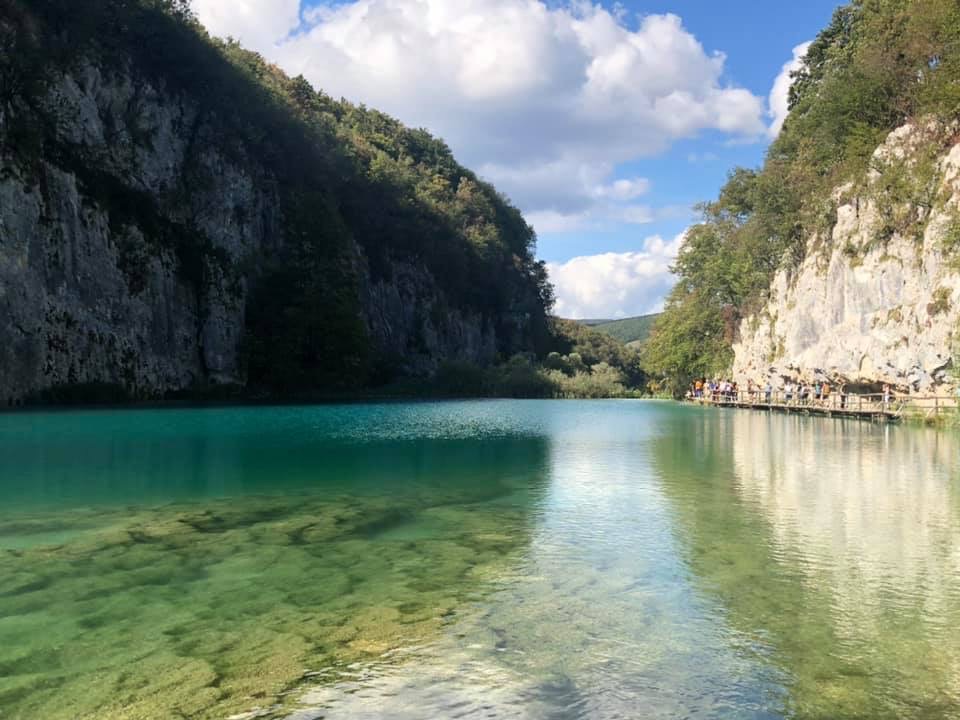
Plitvice Lakes National Park (Croatia)

A few days ago, I returned from a 16 day/7 country Balkans adventure. My head has been spinning ever since, and honestly, I am still trying to catch up on much-needed sleep. On average I slept about 5.5 hours each night. But, who needs sleep for an undertaking of this nature? You sleep when it’s all over. What a thrill ride! It started in Slovenia, then onto Croatia, Bosnia, Serbia, Montenegro, Macedonia, and ended in Kosovo. Yes, I am knackered.

In the coming weeks, I will share with you my experiences. I need to finish gathering my thoughts, and catalog everything I saw, felt and experienced. I traveled through the Balkans with a group of strangers, who later became friends. I’ve also done solo travel. I thought it fitting to share some helpful advice, that has served me well over the years. It’s intimidating traveling alone. There is a fear of loneliness and boredom, staying safe, budgeting, and so many variables to consider. I hope you find today’s entry most helpful!

Traveling solo can be a great adventure. If you travel alone, you’ll get to know yourself better and follow your own schedule. If you’ve been holding back, these tips will make it easier for you to head out alone. You’ll learn how to deal with three of the most common concerns.

Coping with Loneliness and Boredom

You may wonder whether you’ll get lonely if you travel alone. The truth is that learning to enjoy your own company makes solitude rewarding. On the other hand, you can surely find companions if you feel like mingling.

Engage fully. Be mindful of your surroundings. Getting caught up in new experiences as you travel will leave little time for boredom.
Take a tour. A day tour is ideal for meeting new acquaintances. It’s easy to strike up a conversation when you share the same interests with others and you’re away from your usual routine.
Dine out. Look for places with communal tables or ask your hotel to recommend them. Eat at the bar if you feel conspicuous at a table.
Stay at a bed and breakfast. The owners of a bed and breakfast may be happy to talk about local attractions. Hostels are another good choice. There will likely be other guests and maybe even other solo travelers at these types of places.
Frequent local businesses. Visiting the same fruit stall every day will quickly turn you into a regular. Exchange greetings and let them know you appreciate any advice on what to see.
Talk to new people. Approach your fellow travelers or locals who seem friendly and helpful. Trains and coffee shops are two good places to start.
Do volunteer work. Sign up with a non-profit organization and perform group volunteer work. For example, travel to exciting places while building new homes through Habitat for Humanity.
Pursue solitary activities. Visit an art museum or lie on the beach with a good book. Enjoy the peace and relaxation you get from being alone.

 Protecting Your Safety

Security is an important concern for any traveler. Some basic precautions will reduce your risks.

Blend in. Looking like a tourist may leave you vulnerable. Walk with confidence and step inside a hotel to check your map.
Be alert. Observe what’s going on around you. Ask your hotel to advise you about where it’s safe to walk. If you’re near an unsafe area, avoid unnecessary risks by taking a cab to your destination.
Watch your money. You may want to wear a shoulder bag strapped across your body or under a coat. Consider using a money belt or clip. Solo travelers are often the perfect target for pickpockets.
Assess your fluency. Language skills also matter. Ask yourself if you can communicate clearly in case of a medical emergency.
Gather your documents. Put a copy of your identification and health insurance in your pocket. Leave a second copy with loved ones at home.
Check-in at home. Speaking of home, give your full itinerary to at least one person. Call or text them every few days to let them know you’re okay. There have been way too many instances of travelers disappearing on a trip and nobody realizes it for quite some time.
Pack light. Leave your valuables at home. Traveling with minimal baggage increases your comfort and your ability to move quickly.

Sticking to Your Budget

You may run into what’s called “single supplements” on cruises and tours. This is when the venue charges single travelers extra to try and make up for the lack of a second customer. Still, there are plenty of ways to vacation affordably on your own.

Save up in advance. Put money aside gradually. Small amounts add up over time.
Be flexible about timing. You’ll tend to find the best deals at the last minute or several months before your departure. Be open to traveling during the off-season for further monetary savings.
Look for special bargains. Check discount travel sites and look for deals. Some venues may even be willing to waive the single supplement.
Accept roommates. Contact travel companies who specialize in solo travel. Ask to be paired up with another single traveler who is headed to your same destination.

Spend a whole week at a pumpkin festival or browse the Louvre at your own pace. Avoid being intimidated by the thought of traveling alone. Solo travel creates memories you’ll treasure for life.

Until the next post,

Best,

Juan

In Honor of Black History Month


Cape Coast Today: Slaves Departure Point

Dear Readers,

Yes, I am fully aware that BHM is relatively an American tradition. And yes, I meant to post the article below a few days ago. It’s been a busy month. Getting ready pursue a different path,  more in line with my life’s calling.

I will never forget my trip to the Motherland. Having spent two weeks among some of the most beautiful and kind-hearted people I have ever met. The visit to the slave castles, left an indelible impression on my soul. How I wished that I had more time to return again, and again. I plan on returning to Africa, until then I have memories.  So, there was no doubt in my mind, when I found this piece below, what I would share to honor this month, and what it represents to me, as a black woman.

Read on.

“Soooo you mean to tell me that someone down your ancestry line survived being chained to other human bodies for several months in the bottom of a disease-infested ship during the Middle Passage, lost their language, customs and traditions, picked up the English language as best they could while working free of charge from sunup to sundown as they watched babies sold from out of their arms and women raped by ruthless slave owners.

Took names with no last names, no birth certificates, no heritage of any kind, braved the Underground Railroad, survived the Civil War to enter into sharecropping…

Learned to read and write out of sheer will and determination, faced the burning crosses of the KKK, everted their eyes at the black bodies swinging from ropes hung on trees…

Fought in World Wars as soldiers to return to America as boys, marched in Birmingham, hosed in Selma, jailed in Wilmington, assassinated in Memphis, segregated in the South, ghettoed in the North, ignored in history books, sterotyped in Hollywood…

and in spite of it all someone in your family line endured every era to make sure you would get here and you receive one rejection, face one obstacle, lose one friend, get overlooked, and you want to quit? How dare you entertain the very thought of quitting. People you will never know survived from generation to generation so you could succeed. Don’t you dare let them down!!

Give this to your young people who don’t know their history and want to get weak!

It is NOT in our DNA to quit!” – Author Unknown

 Until the next post, take care of yourselves and your families.

Best,

 Juan