Dealing With ADHD At Work


Does your boss keep giving you the same feedback? You need to follow instructions and pay more attention to details. These could be signs that you have attention deficit hyperactivity disorder (ADHD).

More than 8 million adults struggle with ADHD. If you’re one of them, you may have trouble keeping track of multiple projects or even showing up for work on time. The symptoms can vary widely in intensity, and many cases go undiagnosed. 

While ADHD can make getting and keeping a job more difficult, there are coping strategies and other resources that can help. Let’s get it!

ADHD in the Workplace:

  1. Limit distractions. A quiet environment will help you focus. If you don’t have access to a private office, maybe you can work in a conference room or turn your desk to the wall. Minimize interruptions too, like checking phone messages and email.
  2. Clear away clutter. Is your phone buried under piles of paper? Tidying up will save time looking for lost items and reduce anxiety.
  3. Plan your schedule. Managing time can be tough when you have ADHD. Use an app or a paper appointment diary to block out time for activities and meetings. Check your to do list during the day to ensure that you stay on track.
  4. Create reminders. You can also use technology or post-it notes to jog your memory. Set an alarm for staff meetings and write yourself messages about filling out timesheets and sending your boss a birthday card.
  5. Move around. Relieve restlessness by taking breaks. Go for a walk at lunch. Make phone calls standing up.
  6. Change roles. Maybe you can develop a career geared toward your personality. Many adults with ADHD flourish as entrepreneurs, using their creativity and energy.
  7. Boost your self-esteem. While you’re finding your path, remember ADHD can be frustrating. It can also cause misunderstandings with your colleagues. Build your confidence by taking care of your health and advocating for yourself.

More Help for ADHD:

  1. Tell your boss. ADHD is a condition recognized under the Americans with Disabilities Act. You may be able to arrange accommodations to make your work life more comfortable and productive.
  2. Consider disability benefits. If your symptoms are so severe that they prevent you from working, you may be eligible for Social Security Disability (SSD) payments. Working with a lawyer can help you understand the process.
  3. Talk with your doctor. It’s important to get diagnosed if you think you may have ADHD. Your physician can recommend an appropriate treatment plan and helpful lifestyle changes.
  4. Consider medication. ADHD can often be managed with a combination of therapy and drugs. Your doctor may prescribe stimulants, as well antidepressants. If you’re unable to take stimulants, there are alternatives.
  5. Join a support group. As much as your family and friends try to help you, you may still want to talk with others who have similar symptoms and experiences. Organizations like Children and Adults with Attention Deficit Hyperactivity Disorder (CHADD) can help you find self-help groups online and in your community.
  6. Find a coach. What if you need some assistance with implementing what you learn? Working with a coach who specializes in ADHD can help you master new lifestyle skills.

Some very successful business leaders and celebrities have used their ADHD to their advantage, and so can you. Think of IKEA founder Ingvar Kamprad, Micheal Phelps the GOAT Olympic Swimming Champ,  or Gymnastics Great Simone Biles. Find a career that suits your strengths and ask for help when you need it.

Until the next post – A Hybrid Work Guide for Adults with ADHD,

Best,

Juan
 

The Simplest Ways to Practice Self Care When You Have PTSD


Anyone suffering from post-traumatic stress disorder knows how debilitating it can be. While many people with PTSD require professional treatment, there is still a lot you can do on your own to mitigate your symptoms and move toward good mental health. It can’t hurt to give a few strategies a try.

  1. Engage your creative mind. Studies have shown that engaging in creative activities can help with PTSD. Using your brain to create something new is a powerful process that requires using your brain in unusual ways. This seems to be soothing to those with PTSD. Consider these suggestions
    • Painting
    • Drawing
    • Sculpture
    • Inventing
    • Composing music
    • Creative writing
    • These are just a few examples.
  2. Communicate your needs with your social circle. If you don’t like to be touched, let people know. That’s better than sitting home alone to ensure that no one touches you. If you want to avoid certain topics, speak up, no one can read minds. Letting others know your limits will reduce your anxiety as well as that of everyone else in your social circle.
  3. Relax your body regularly. A relaxed body will help your mind to relax, too. There are many ways to do this, such as self-hypnosis, progressive muscle relaxation, sauna, hot tub, and guided meditation. Experiment and find the most effective and convenient way to relax your body each day.
  4. Consider acquiring a service animal. For some people, there’s nothing more relaxing than a dog or other type of animal. They don’t pity you, ask annoying questions, or judge you in any way. They just love you. Anyone, whether they have PTSD or not, could benefit from the right pet.
  5. Meditate. Meditation is a powerful treatment for PTSD for several reasons: It teaches you how to focus, how your mind works, and allows you to explore thoughts and ideas in a controlled and distraction-free environment. Meditation requires practice, but it’s a very simple process. 
  6. Be present. When dealing with a flashback or highly disturbing thoughts, stay present with your environment. Focus on where you are. What can you see? Hear? Smell? Feel? Keep your mind in the present moment. This is also a useful tool for staying focused. When your attention wanders, bring it back to your environment.
  7. Avoid ruminating. Rumination is just a bad habit in general. Instead of sitting around thinking about the past, future, or other made up scenarios, get busy and do something instead. Get out of the house. Mop the kitchen. Mow the grass. Watch a movie. The activity doesn’t matter, as long as you keep your mind active and avoid thinking excessively.
  8. Find the right therapist. Find a therapist that has a lot of experience in dealing with PTSD. It’s very important you are comfortable with him/her.  Some therapists might have the right skills and experience but be a poor fit. Consider interviewing a few therapists to find the right fit. Many mental health professionals provide free consultations. 

Post-traumatic stress disorder is a serious matter, but that doesn’t mean there aren’t steps you can take outside of a clinical setting to speed your healing. Meditation, taking part in creative activities, staying busy, and setting limits are just a few of the ways you can make life easier for yourself.

Get professional help, if necessary, but take responsibility to do what you can to help yourself.

To Your Success,
Juan

Tips To Master Anger and PTSD Management


You would probably name fear and anxiety, as symptoms of post traumatic stress disorder (PTSD). However, anger is another common sign. Knowing what to expect can help you or a loved one to get the help you need.

There are many reasons why PTSD may make you feel angry. It can be a reaction to past events, or it can be tied to your current circumstances, if you feel misunderstood and frustrated. You may be angry at others or yourself. You may also use anger to cover up other feelings. While anger is natural, it can interfere with your happiness and relationships. It’s important to learn how to manage your emotions, so you can feel more comfortable and in control.

Anger Management Techniques You Can Use:
External events may sometimes be beyond your control, but you can choose how to react. Changing your thinking and behavior can help you to feel calmer and cope with your emotions.

  1. STAY ACTIVE. Regular exercise reduces stress. Lifting weights or taking a walk outdoors may also provide relief, if you’re starting to feel irritated.
  1. REST AND RELAX. Your body and mind need time to heal. Aim for 8 hours of sleep each night and find relaxation practices that work for you, like listening to music.
  1. REACH OUT. Talk about your feelings with family and friends you trust. Let them know how they can help you.
  1. SLOW DOWN. Anger can make you say things you’ll regret later. Count to ten or spend some quiet time alone. It will be easier to react constructively if you give yourself a chance to cool down.
  1. KNOW YOUR TRIGGERSDo traffic jams or uncooperative coworkers make you see red? Plan ahead for challenging situations. Soothe yourself with a cup of tea and rehearse different ways to respond.
  1. THINK POSITIVE. Look on the bright side. Notice the pleasant things that happen each day. Watch the sunrise, and play with your children. Pay attention to how you talk to yourself.  Use kind and encouraging words.Suppressing anger can backfire, but sincere humor helps. Find something funny to say about slow wifi and noisy neighbors.

Other options to consider:

  1. TRY CBT. Are you concerned about how long and expensive therapy might be? Many experts agree that cognitive behavioral therapy is preferable for PTSD, and it usually requires only a few months to reduce anger and anxiety.
  1. JOIN A GROUP. You may also benefit from talking with others who have had similar experiences. Ask your primary physician or therapist for a referral, or call a local hospital to ask about what support groups are available in your area.
  1. KEEP A JOURNAL. Writing about your feelings can help provide clarity. You can keep your journal private or share it with your therapist.
  1. MAKE ART. Creative activities are another way to deal with strong emotions. Working with an art therapist can give you more insights and an opportunity to discuss what’s on your mind.
  1. CONSIDER MEDICATIONYour therapist may recommend medication to help you manage anger, at least temporarily

Developing compassion for yourself and getting the treatment you need can help you to manage anger and other symptoms of PTSD.  Let it be the first step in helping you to lead the happy and fulfilling life you deserve.

To Your Success,
Juan

Simple Guidance on PTSD, Behavior, and Relationships


People with PTSD are more likely to engage in risky or destructive behavior. If PTSD is triggered by trauma, doing something that might lead to additional trauma, is difficult to understand. It’s a common belief people with PTSD turn to these behaviors as a way to escape the symptoms of PTSD, especially intrusion. Those who use drugs or alcohol may be using them as a coping mechanism, to avoid thinking about their original trauma. It may also be a way to assuage guilt or shame associated with the trauma. 

Types of risky behavior may include:

  • Gambling
  • Drinking
  • Drunk driving
  • Aggression
  • Drugs
  • Unsafe sex with strangers
  • Extreme sports without regard for self-protection

This self-destructive behavior may diminish symptoms of PTSD momentarily, but ultimately the stress of these choices prolongs PTSD symptoms, and make the disorder worse. Dr. Naomi Sadeh, an Assistant Professor the National Center Boston VA/Boston University, is quoted saying: “for individuals with PTSD, exposure to new stressful events will often prolong their symptoms and can even make them worse. So these findings suggest that treatment providers should ask trauma-exposed veterans about reckless behavior to make sure they are not engaging in harmful behaviors that could make their PTSD symptoms worse”. When it comes to treating PTSD, a therapist will try to address any risky behaviors, to help reduce the risk of continued trauma. 

PTSD AND RELATIONSHIPS
It’s no secret that PTSD can strain relationships, particularly with a spouse or partner. There have been many cases of strong marriages unable to withstand the effects of severe PTSD. Though both may want to maintain the relationship, there are times the issues care extremely difficult to resolve

In 2019, Meagan Drillinger wrote a piece for Healthline called “6 Things I Learned From Dating Someone With PTSD.” In the article she explained, “For three years, I was in a relationship with a man who experienced PTSD symptoms daily. My ex, D., was a decorated combat veteran who served in Afghanistan three times. The toll it took on his soul was heartbreaking.”

She went on to say: “being the partner of someone who has PTSD can be challenging — and frustrating — for many reasons. You want to take away their pain, but you’re also dealing with your own guilt at needing to care for yourself, too. You want to have all the answers, but you often have to come to grips with the reality that this is a condition that can’t be loved out of someone”.

If you are in a relationship with someone who has PTSD, you can’t heal them with support. You can make their road easier, but your loved one should seek professional help, to get the tools and resources they desperately need.

Things that you can do that might help ease their burden and lessen the strain in your relationship:

  1. Understand that PTSD is real. Perhaps one of the first steps in helping someone with PTSD, is acknowledging it’s a real disorder that produces real symptoms. Though mental disorders are difficult to understand or relate to for those who are not experiencing them, to people with the disorder, it is very real and very debilitating.
  2. Give them room not to talk. Talking about a traumatic event might help someone who has PTSD, but that doesn’t mean they’re always willing or able to discuss the details of their trauma.
    • Their resistance to talking about the traumatic event is not a sign of being unloving or untrusting, it’s more likely because they want to avoid thinking about the event. Bringing it up often is more likely to cause them to pull away and become uncommunicative.
    • Gently encourage them to talk about it when it seems appropriate but allow them to be the one to discuss it when they’re ready.
  3. Work with a routine. A routine is a good way to help establish order in your home for a person suffering from PTSD. Doing this can give a person with PTSD a sense of security and stability and provide comfort in a world that feels chaotic and out of control.The schedule you use will be different than someone else’s, but it may include exercise, meditation or prayer, planned mealtimes, and daily chores.
  4. Learn more about PTSD. Educating yourself on PTSD will be one of your biggest strengths for helping a loved one, and help you cope with the reality. You can do this by reading, watching videos, talking with other people who have PTSD, or discussing it with a therapist.
  5. Understand that caregiver burden is real. Taking care of someone struggling mentally or physically can be extremely stressful and draining.This experience is commonly perceived as a chronic stressor, and caregivers often experience negative psychological, behavioral, and physiological effects on their daily lives and health.

Every moment of every day can’t be consumed with PTSD. Take time to do things that you love and enjoy. You can also try finding a support group, or community of people dealing with the same thing. To help lighten this load, if you’re a caregiver, it’s a good idea to take time for yourself.

In closing, if you are a caregiver, seek loved ones in your life and allow them to be part of your greater support network. Outside help is essential for helping you and your loved one cope.  Although some may feel there’s a stigma getting professional help, this viewpoint is becoming less common, as people open up about mental health issues. There is no shame in it. 

To Your Success,
Juan

Things You Likely Didn’t Know About The Types Of PTSD


Welcome back!

Although major symptoms are similar across the board, there are different types of PTSD. Depending on type, symptoms may be more severe or long-lasting, or they may require different types of therapeutic treatments. Given how detailed my last two posts concerning the subject matter might be, don’t be afraid to take it all in small, bite sized pieces.

COMPLEX PTSD
PTSD may have become more familiar to the common person, but there is a lesser-known variation of PTSD called complex PTSD (c-PTSD). The traditional form of PTSD may emerge after a single traumatic event. An example may be a life-threatening car crash. A person who lived through a car crash may find themselves afraid of driving, avoid getting in the car or driving in traffic, and have other symptoms associated with PTSD.

C-PTSD, on the other hand, is the result of repeated or ongoing traumatic events. Those who develop c-PTSD may have suffered ongoing childhood abuse, neglect, or repeatedly witnessed violence acted out on someone else.  C-PTSD is more often associated with people who experience trauma in their childhood. It affects development, since they’re exposed to trauma during a highly developmental time in their life. This term is not in the DSM-5, but it is a term that mental health workers use to help describe the difference between someone who has experienced a single traumatic event, and one that has experienced chronic trauma, especially in childhood. 

Symptoms of c-PTSD are similar to PTSD, but they also include additional behavioral differences:

  • Negative self-view. Those with c-PTSD may think very poorly of themselves or may carry ongoing feelings of guilt, shame, and helplessness.
  • Trouble controlling or regulating emotions. An explosive temper, given easily to sadness, or even have feelings of depression or suicidal thoughts.
  • Difficulty developing or maintaining relationships. Trouble trusting others and will avoid starting relationships.
  • Dissociative symptoms. Disconnected thoughts, memories, actions, difficulty concentrating, and identity.  Some develop alternative identities. It’s a brain’s defense mechanism that tries to escape reality. Some people may also suffer from amnesia. Therapy can help people diagnosed with c-PTSD, but it’s usually a longer process and takes more effort from a therapist and patient to undo the damage done in childhood.

POST-TRAUMATIC STRESS
PTS or Post Traumatic Stress is actually not a type of PTSD, but it could be a precursor for it.  Those with PTS experience many of the same symptoms as PTSD such as avoidance or nightmares. The difference is that those who suffer from PTS experience those symptoms with less severity and for a shorter period of time. People with PTSD will continue showing those symptoms for longer periods of time and with greater intensity. 

According to Dr. James Bender of the Deployment Health Clinical Center: PTS is a common, normal, and often adaptive response to experiencing a traumatic or stressful event. Common occurrences, like car accidents, can trigger PTS as well as more unusual events like military combat or kidnapping. Almost everyone who experiences a scary situation will show at least a few signs of post-traumatic stress. Symptoms from PTS will subside after a few days and they won’t interfere with a person’s life in any meaningful way. The traumatic event may make them more careful in the future, but it won’t stop them from living their life normally.

COMORBID PTSD
Those with comorbid PTSD are people who have both PTSD and another mental disorder. In this case, someone may have PTSD and depression, or PTSD and generalized anxiety disorder. Anxiety, depression, and substance abuse are the most common types of comorbidity with PTSD. It’s estimated that as much as 80% of people with PTSD have another co-occurring psychiatric disability.

Thanks for being here! Your readership of my blog is much appreciated, and I hope it has been a learning experience thus far. PTSD sufferers often exhibit risky behaviors, which often affects their relationships-the focus of the next post.

Hope to have you!

To Your Success,
Juan

Here Is What Experts Say About The Symptoms Of PTSD (pt2)


Welcome Back,

A gentle reminder that this mental health series, is not a diagnostic tool, or replacement for the professional advice you will get from a licensed medical and mental health provider. I work within the demographic of clients with severe and persistent mental health issues, which often go unaddressed for years, whether through failure of the system of lack of action on the individual’s part. My posts are meant to bring general awareness.

Let’s conclude this two part post with the final two of the main symptoms; hyperarousal and negative cognitions and mood symptoms.

Hyperarousal
A symptom that makes someone with PTSD overreact to their outside stimulus. The body goes into high alert thinking about a traumatic event and may make the person feel like they are currently in danger. This feeling can result in a myriad of responses that are confusing to friends and loved ones. Because loved ones aren’t sharing the same feelings of danger, it can be scary or even frustrating to be with someone responding to unseen trauma.

Some of the symptoms of hyperarousal are:

  • Trouble sleeping
  • Outbursts of anger
  • Irritability or ongoing anger
  • Panic
  • Easily startled
  • Difficulty concentrating
  • Always being on guard from threats (hypervigilance)
  • Chronic anxiety
  • Inability to tolerate loud noises (hyperacusis)
  • Panic attacks
  • Risky destructive behavior

Negative cognitions and mood symptoms
Another key symptom of PTSD is a negative outlook on self and the world. These feelings are newly formed after the traumatic event and are not typical for the person experiencing PTSD. 

These negative feelings may appear like this:

  • Intense feelings of guilt
  • Distorted sense of blame related to the trauma
  • Ongoing negative feelings such as guilt, shame, anger, or sadness
  • Hopelessness
  • Lowered interest in activities one used to enjoy
  • Detached or estranged from loved ones
  • Inability to experience joy or happiness 

People suffering from PTSD may have feelings of worthlessness, or may feel deep shame for things they have done or witnessed. These feelings may interfere with forming or maintaining relationships with friends and family. It could also diminish their ability to pursue gainful employment or advance their career.

According to Dr. Matthew Tull: …Maladaptive thoughts, errors in thinking or irrational thoughts, cognitive distortions refer to unpleasant thoughts that are extreme, exaggerated or not consistent with what is actually going on in the real world. As a result, cognitive distortions can have a negative influence on our mood and eventually lead to unhealthy behaviors. The connection between thoughts and actions is part of the reason cognitive distortions are considered a central part of cognitive-behavioral therapy.

Was there a particular bit that surprised you? What are your thoughts on the symptoms ? If you or someone you love are in need of help, please consult with your medical or mental health provider.

Next up, we will examine the different types of PTSD. Yes, types, as it is not uncommon, to think PTSD is just that. I bet many of you will be pleasantly surprised!

To Your Success,
Juan


Tips To Avoid Depression In the Winter


When the weather is cold and the skies are dark and cloudy, it’s easier to feel down and despondent. If you struggle with gloomy feelings during the winter, also known as Seasonal Affective Disorder, there’s help and hope available, without the use of medication. Of course, please check with your physician before making any changes to your health regimen. 

Spring is Around the CornerSome people start feeling down days into the season change. Don’t let this happen to you! To stay happy and peaceful during the winter, focus your time and energy on things that bring you joy. See the beauty that the winter months have to offer. However, if you are really struggling to see any beauty in the gloom of winter, I have a few simple ideas to jump-start your thinking in a more positive direction.

Let’s go!

  1. Buy a sun lamp. A sun lamp gives you the light you need even when it’s gloomy outside, and works much better to help your mood than just turning on all the lights in your house.
  2. Take a vacation. Travel to somewhere sunny and warmer each winter, even if only for a couple of days. Looking forward to your annual getaway will lift your spirits during the time before you go, too.
  3. Get outside. When the sun does come out, even if it’s otherwise cold, take advantage of it. When your body is deprived of sunlight, it has a harder time making vitamin D. If you can get some sun, though, you’ll feel better. Feeling better, helps you to make it through until spring arrives with its longer, sunnier days.
  4. Find activities that bring you joy. Read that book you’ve always wanted, engross yourself in a new TV sitcom that comes on in winter. Perhaps learning to ski or snowboard, can bring you the mental and physical benefits of exercising, while also finding a way to enjoy the winter weather. 
  5. Consider a dawn simulator. These are alarm clocks, that gradually produces light that increases in intensity, just like the sun. These clocks do not wake you with loud beeping sounds or music.
  6. Consider aromatherapy. Studies have shown that essential oils can influence the brain area responsible for lifting your moods. 
  7. If you have SAD, you probably have trouble sleeping; whether it’s falling asleep, or getting up in the morning. Try sticking to a regular schedule, eating on time etc. Yes, it’s fine to shake things up from time to time, however, with SAD, routine is the way to go.
  8. Keep a journal. Writing down your thoughts, moods, and feelings is very theraputic. I find the best time to do so, is right before bed. A gratitude journal is also a great option

Depression is Treatable – Even if it’s Only Occasional. If your feelings of depression run deep, talk to your doctor about options best suited to your needs. If you’re only getting bummed out and unhappy during the winter, though, focusing on strategies that work during the this time, is the best way to shake the blues.

You can choose to be joyful. Focus on things that matter to you and bring you happiness. Winter is only a season, and you’ll have spring, summer, and fall to enjoy the sunshine. Remember, anything you can do when it’s dark outside, you can do on a gloomy winter day. If you have hobbies that lend themselves to indoor activity, you’ll have more to keep your mind occupied as you move through the winter. The cold days will pass more quickly if you have something to do to occupy your time, and spring will arrive before you know it. 

During this month, we have touched on a lot how depression affects every facet of our lives, and hopefully, you have found the tips and strategies most useful. Use this FREE Depression Recovery Worksheet.to help you heal

To Your Success,
Juan

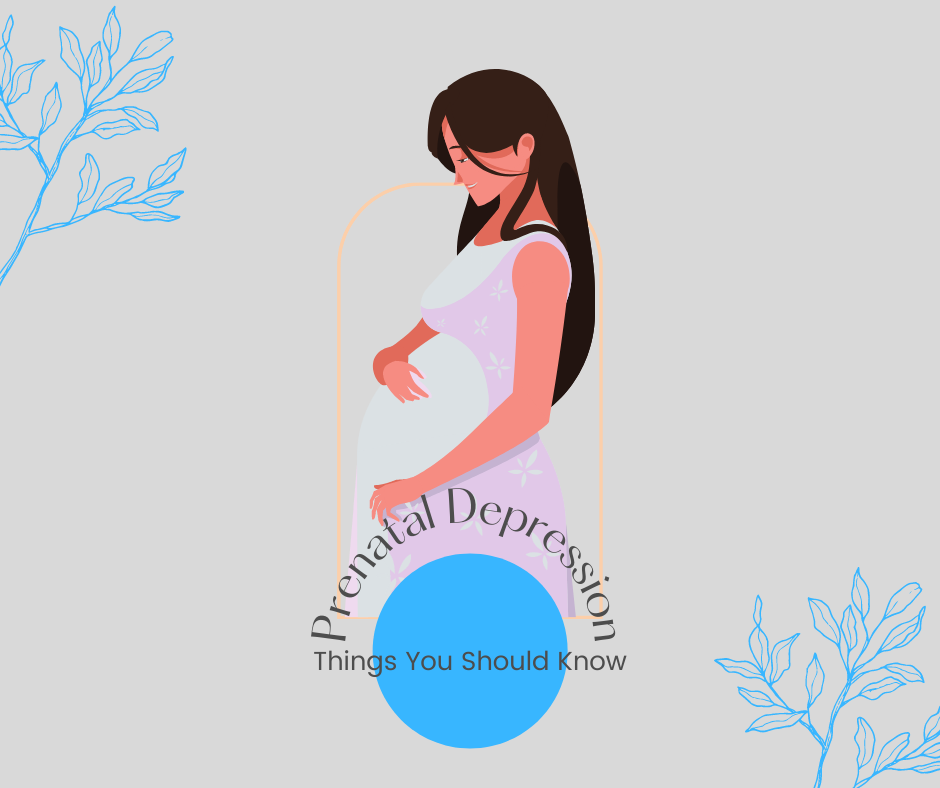
Prenatal Depression: Protect You & Your Baby


prenatal depression

Pregnancy is a time of hope, love, and joy. However, for many women, it can also be a time of prenatal depression, it is common and occurs more often than you might think. It can even happen to you! Please do not to ignore the signs and symptoms. Your life and the life of your baby is worth it.There is LOT of talk about post natal depression, due to many high profile stories in the news, however,  there is not enough attention being given to the period before While one post offering a summary of prenatal depression, the hope is that it will serve as a reference, and open up more discussion

Here is what  you need to know:

  1. Understanding prenatal depression. It’s estimated that one out of every four women will experience depression. Prenatal depression occurs during pregnancy and can be triggered by many factors.
    • In many cases, both patients and doctors ignore possible symptoms because hormone changes is often the focus. However, this type of depression can be dangerous for both the mother and child.
  2. Common signs: thoughts of death and suicide.
    • The pregnant woman may have ongoing and recurring thoughts about killing herself or others. She may also have thoughts about harming the baby, the father, and even try to do something violent. Other signs of prenatal depression include never-ending feelings of sadness, hopelessness, anxiety and guilt
  3. Depression triggers. Some medical experts believe that hormone and body changes during pregnancy can trigger depression, but there are other causes as well.
    • Relationship issues are also a common trigger, because the mother may feel she isn’t getting enough support. She worries how the child will change the relationship after birth
    • Complications during pregnancy can also trigger depression. If the mother is on bed rest or worried about losing the baby, it leaves the door open for feelings of depression to creep in. The joy of carrying the child is replaced with anxiety, worry, and fear.
  4. Potential issues for the baby. Although some mothers are able to continue to take care of their bodies during depression, others struggle to eat healthy food or avoid alcohol and other harmful substances.
    • Suicidal behavior is another major risk for the baby. A woman who suffers from prenatal depression is more likely to try to kill herself or the child.
    • Drinking and smoking are also concerns because some women will turn to them for comfort.
    • It’s important to recognize that a woman who has prenatal depression may not be making the best decisions for her baby.
  5. Treatment options. These will vary, it’s important to discuss them with your doctor.
    • Women with prenatal depression can find help through therapy.
    • Both individual and group therapy sessions may be necessary. Discuss these options with your doctor and work out a schedule that fits your needs. Find sessions that welcome pregnant women.
    • You may also benefit from some medications, but there are restrictions because drugs can affect the baby.
    • Support groups have helped some women with prenatal depression.
    • In addition, reducing stress and eliminating issues causing anxiety can help.
    • Adjustments to diets, exercise, and lifestyles is also helpful.
    • The most important step is to seek help and not ignore the symptoms. Doctors and therapists can determine the best treatment plan on an individual level. 

Prenatal depression is a real issue and shouldn’t be ignored. If you or someone you love show these signs, seek treatment right away. Medication and talk therapy can help, after weighing the medication risks with your medical provider. If your insurance does not cover treatment, there is usually free resources available. Though not always easy to find, the effort is worth it. 

Untreated pre natal depression leads to a host of issues, including but not limited to, missing important check ups, problems during labor and delivery, poor nutrition etc.  No one should have to suffer alone and fight without help. Call 911 right away if immediate harm to the mother or unborn baby is obvious.

Learning about prenatal depression could save a life – or two.

To Your Success,
Juan 

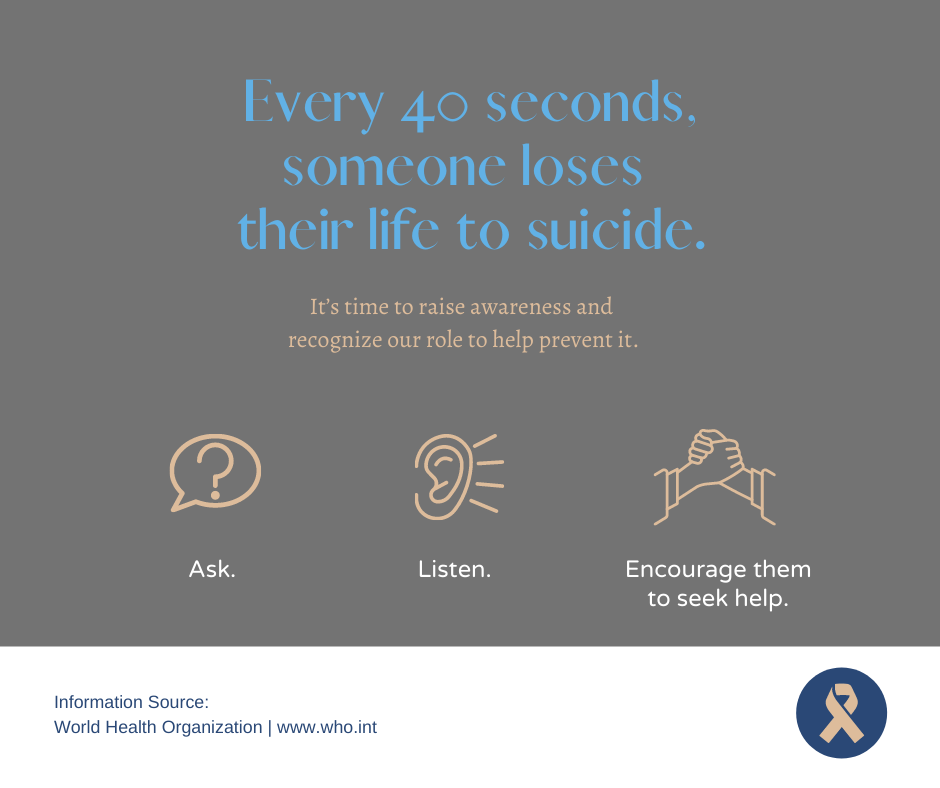
Warning Signs of Suicide


Suicide

I was married to a man who threatened to commit suicide if he didn’t get his way.  More than once. In our very short marriage, the emotional rollercoaster took everything out of me. You cant imagine what this does to a person’s psyche. I didn’t know it at the time, but came to realize, he was a Narcissist. His behaviors were extreme. This blog has some amazing resources, if you suspect you are in a relationship with a Narc.

Suicide is incredibly serious. Since Miss USA Cheslie Kryst’s death, I have watched several interviews with people in her circle. No one saw it coming. Almost all expressed dismay, at the thought of possibly missing the signs. Depression and Suicide are closely linked. In my line of work, we are required to ask about suicidal and homicidal ideation and intention, during every substantive encounter. 

Sadly, Suicide is the tenth leading cause of death in the US. Stats show nearly 50,000 suicides, and more than a million attempts. It appears that 70% of suicides are committed by white males, but more women attempt suicide than men. In general, the younger someone is, the less likely they are to commit suicide. Even so, there seems to be an onslaught of young people now taking their own lives. While some suicides are out of the blue, very often there are warning signs. Unfortunately, these warning signs often go unnoticed or worst, ignored.

Be aware of these common suicide warning signs, and you may save a life:

  1. Feeling hopeless. If someone is miserable and doesn’t believe there’s any hope of a better existence, suicide can be a logical conclusion for them. One possible cure for hopelessness is to prove that the ability to alter the future exists. For example, set one small goal; five pushups or to lose two pounds. Accomplishing a small goal is a way to prove that the future is alterable.
  2. Lack of interest in activities that were once pleasurable. This is one of the primary signs of depression. For instance, if you, or someone you know, has always loved to watch baseball, it would be unusual to suddenly lose interest in that activity.
  3. Talking about suicide. Many people that are considering suicide mention it at some point. If you know someone that seems interested in the topic of suicide, that’s potentially a serious warning sign. They might ask you how you’d commit suicide, mention it in the news, or even ask your opinion of people that have done it.
  4. Intentional isolation. People who drastically reduce their social interactions are often also contemplating suicide. When people are miserable, they tend to isolate themselves from everyone else in the world. If your normally sociable friend rarely makes an appearance, there could be an issue.
  5. Giving away possessions. People considering suicide can still be concerned about who receives their possessions when the smoke clears. They often start giving away their tools, furniture, pets, and anything else of value.
  6. Depression. Depression is a primary warning sign of suicide. Remember depression is treatable. There’s no reason to suffer passively, when there are so many treatment options available.
  7. Strong feelings of guilt or shame. People who commit suicide are frequently overwhelmed with feelings of guilt or shame. The best way to deal with these two emotions is therapy. Fortunately, there are many free resources available for this issue as well. An online search will turn up several good possibilities. 
  8. Saying goodbye to friends and family. Committing suicide is like taking a very long trip that you never come back from. Most of us wouldn’t leave on a long trip without saying goodbye. If it feels like someone is giving you a farewell for no apparent reason, that could be a warning sign of an impending suicide.
  9. Stating that others would be better off without them. Many people consider suicide, but decide against it because of the harm they realize it could cause to others. When someone believes that others would actually benefit from their death, that’s a serious warning sign that they intend to harm themselves.

Be on the lookout for these warning signs. Given the prevalence of suicide attempts in this country, you may know someone that will attempt suicide. You’ve likely known others that have considered it, whether you realize it or not.

Suicide is a significant cause of death. If you know the warning signs, you might be able to stop yourself, or someone you know, from ending their life needlessly. Ask, listen, and encourage them to seek help. The number for Suicide and Crisis Hotline is 1800 273 8255. 

If you have suffered the loss of a loved one, use this Depression and Loss worksheet, to help you work through your feelings

To Your Success,
Juan

How to End Anxiety Through Meditation


When it comes to using meditation to manage anxiety, multiple studies have reached the same conclusion. Mindfulness can help you to stop worrying. Almost 7 million Americans experience Generalized Anxiety Disorder, and many more have occasional bouts of fretfulness due to pressures at work or home. While you can’t remove the stress from daily life, there are steps you can take to feel more at ease. Try these natural remedies.

Anxiety-Related Benefits of Meditation

Researchers have been studying how meditation affects a wide variety of health issues. The American Medical Association, reported that meditation appears to be most effective in addressing anxiety, depression, and pain management.

  1. Focus on now. Most anxiety tends to be centered on rehashing the past or anticipating the future. Meditation encourages you to engage fully with the present moment. Your attention switches from useless regrets and fears, to constructive endeavors.
  2. Connect with your body. Chronic anxiety takes a toll on your physical health through inflammation and other symptoms. Scanning your body reminds you to lower your shoulders and unfurrow your brow.
  3. Change your brain. Meditation alters your brain so your contentment will grow. Stress hormones decrease and serotonin levels rise. Gray matter enlarges, while the amygdala, which processes fear, shrinks.

How to Meditate to Reduce Anxiety

Meditation can be adapted to suit your individual needs. Take classes or sit at home for free on you own schedule.

  1. Start off gradually. The benefits of meditation can often be seen within a week or two, and even 10 minutes a day pays off. Set aside a brief time each day for contemplation.
  2. Clarify your purpose. You may want to use meditation as part of your spiritual practice or take a completely secular approach. Meditation is not necessarily religious. You can develop greater peace of mind with your own set of beliefs.
  3. Separate facts from feelings. Introspection helps you to distinguish between actual events and your inner thoughts and emotions. As you train yourself to think objectively, you can achieve greater control over your reactions.
  4. Develop insights. Examining your mind also helps you to understand yourself and others. You may discover the root causes of your anxieties and how best to deal with them. Maybe you’ll want to replace negative expectations with a sense of curiosity. Perhaps you’ll pay more attention to the kindness you receive from others instead of conflicts.
  5. See your doctor. While meditation is powerful, your physician may recommend treatments including cognitive therapy and medication if your anxiety persists. You can still practice meditation and other self-care to aid your recovery. Let your doctor know what you’re doing on your own.

Other Natural Anxiety Aids

Meditation is even more productive when you combine it with other healthy lifestyle choices. Take a look at your daily habits.

  1. Eat whole foods. A diet full of processed foods and sugar aggravates anxiety and depression. Get most of your calories from vegetables, fruits, whole grains, healthy fats, and lean proteins.
  2. Limit alcohol and caffeine. Too much coffee may give you the jitters, and self-medicating with alcohol usually backfires. See if cutting back makes a difference.
  3. Exercise more. Physical activity melts away anxiety and stress. That’s especially true for vigorous aerobic workouts like running or rowing. When I am at the gym, I have to force myself to leave. I find working out very addicting.
  4. Rest and relax. Fight anxiety with a good night’s sleep and occasional breaks during the day. Go to bed on a consistent schedule.

If anxiety is interfering with your life, help is available. Achieve greater peace of mind through meditation, and see your doctor if you need additional support. You tube has a lot of free meditation guides and resources.

To Your Success,
Juan