Battling The Bottle.


Did you know September is National Recovery Month?In honor of this, I’d like to use it as a platform to bring more awareness to the continue struggle with Alcoholism that so many of my clients face.

Are you, or someone you love struggling to quit drinking? Does quitting seemed like a monumental endeavor that you will never accomplish? What if you took it day by day, and celebrate the small victories? This month, I hope to share strategies and tips with my fellow readers. I work with clients who struggle with this and many other addictions. I have witnessed first hand, the devastating effects this addiction has on family, friends and loved ones.  So let’s dive in.

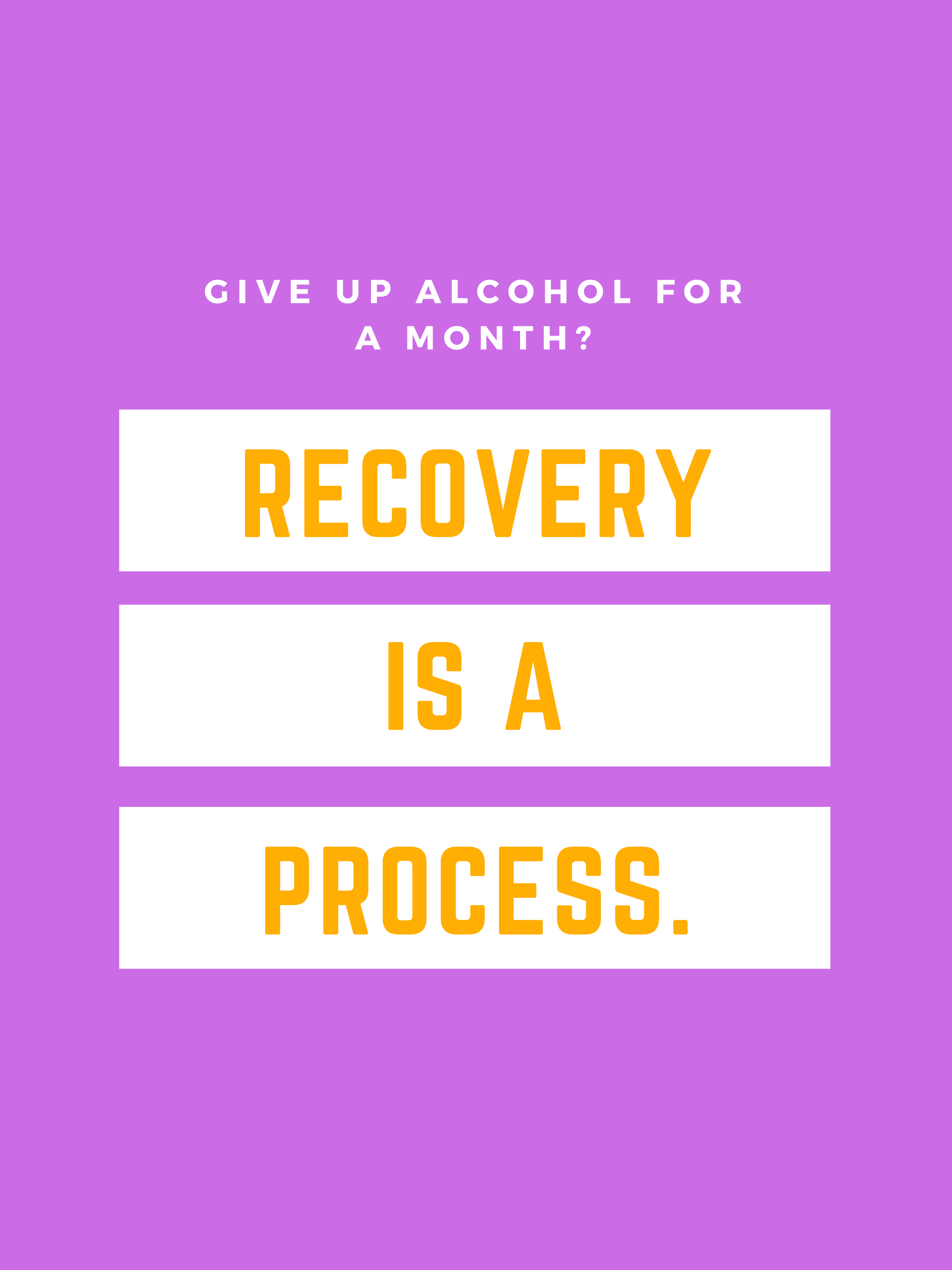
An estimated 6.5 million adults took part in Dry January in 2021. If you’ve missed out on making it one of your new year’s resolutions, you can still celebrate a similar occasion any time of year. While some adults need to avoid alcohol completely, others may prefer a more gradual approach. For them, a British charity group helped start a movement in 2014 to quit drinking for a month after the winter holidays. Many participants say that it has helped them to transform their relationship with alcohol.

Look at what a month without margaritas, or your drink of choice can do for you.

Benefits of Giving Up Alcohol for a Month

Clinical research on Dry January is very limited, but the initial results are promising. Even short-term abstinence can have positive effects on your overall health and wellbeing.

  1. Sleep well. You’ll probably wake up feeling more refreshed. Alcohol interferes with the quality of your sleep, so this is one of the most common and quickest results.
  2. Feel healthier. There can be significant health benefits. One study found that a month off alcohol decreased blood pressure by 5% and lowered diabetes risk by 30%. There were also large decreases in blood growth factors linked to certain cancers.
  3. Lose weight. It’s easy to lose track of how many calories you drink. You may wind up slimmer without even trying to eat less.
  4. Drink more responsibly. The big question is whether a month without alcohol will lead to lasting changes. According to one survey, Dry January participants drank less frequently and drank less per day for months afterwards.

Tips for Quitting or Cutting Back on Drinking

As you might expect, Dry January fans use many of the same methods that can help anyone to curb their alcohol consumption. Listed below are a few examples of proven strategies.

  1. Pick a date. Having specific goals and a timeline will help you to feel more committed and accountable. Maybe you’ll want to join the crowd in January, or maybe another month is more feasible for you.
  2. Cope with triggers. Be prepared for situations that tend to make you want to drink. Suggest going to a movie instead of visiting a bar on date nights. Relax after work with a walk in the park rather than sitting down with a glass of wine.
  3. Seek support. Ask others for the help you need. Let your family and friends know what you’re doing and what they can do to make it easier.
  4. Manage peer pressure. Rehearse how you’ll respond in situations where others may encourage you to drink. If someone refuses to respect your choices, you may want to limit your interactions with them at least temporarily.
  5. Prepare for relapses. What if you give in to temptation at a wedding or a barbecue? Learn from the experience and give yourself credit for getting back on track the next day.
  6. Stay busy. You’re less likely to miss alcohol if you keep your mind and body occupied with other activities. Spend more time at the gym or working on hobbies. Take a course at your local community college or volunteer at a food bank.
  7. Practice self-care. Maybe you’ll feel inspired to try other healthy lifestyle changes. Eat more vegetables and start a daily self-care practice.
  8. See your doctor. Quitting alcohol for a month is safe for most adults. However, if you’re dependent on alcohol, you’ll need medical care to help. Your doctor can help you understand your options and provide you with resources.

Giving up drinking for a month could be the start of a healthier relationship with alcohol. Let it encourage you to drink in moderation or seek professional help if alcohol is disrupting your relationships and the quality of your life. For more information on recovery, please visit this US Government Website

To Your Success,

Juan

Preventing A Relapse


We made it to the last few days of July! Did a particular topic resonate with you? Do you know someone who could benefit from the advice shared one the past several weeks? All the hard work can go to naught, if we don’t know how to prevent a relapse. 

Relapse is a term usually referring to alcohol and drugs. However, it can be applied to any habit. Maybe you stuck to your diet for weeks, and then overindulged at an office birthday party. Maybe you went 10 years without a cigarette, and then bought a pack when you broke up with your boyfriend or girlfriend. Remember that your ultimate success in developing healthy habits is more important than any backsliding. Think of relapses as part of a process, rather than unpredictable events. If you pay attention to what you’re feeling and thinking, you may be able to avoid a setback.

Try these techniques:
  1. Deal with emotions. Your feelings may be the first sign that you’re headed for a fall. Accepting your anger and sadness will help you find new and more constructive ways of managing them.
  2. Build support. Surround yourself with family and friends who will encourage you and give you useful feedback. Let them know how they can help you. You might want to search for support groups in your community or participate in forums online.
  3. Know your triggers. You sometimes need to limit contact with old friends who engage in the habit you’re trying to break. Certain places or situations could also make you vulnerable to relapsing.
  4. Wait it out. What if you have an urge to go on a shopping spree or bite your nails? Try waiting 5 or 10 minutes to see if it passes. It’s a quick solution that often works.
  5. Seek moderation. Being too strict with yourself can backfire. A restrictive diet makes junk food look more tempting. Allowing yourself a low-calorie dessert like fruit could help you avoid binging on donuts and cheesecake.
  6. Focus on consequences. Before you take a step backwards, think through what will happen. Is wasting time on social media causing you trouble at work?
  7. Practice self-care. Protecting your physical and mental wellbeing is essential for reaching your goals. Eat sensible amounts of whole foods, exercise regularly, and make sleep a top priority.
Recovering From a Relapse

If it’s too late to prevent a relapse, you can still turn things around. Put your mistakes behind you and keep building on the progress you’ve already made. Some or all of these strategies will help you get back on track.

  1. Face the truth. It can be difficult to admit that you’ve relapsed. Be honest with yourself and take accountability for your decisions.
  2. Remember your purpose. It may help to think about your original reasons for making changes in your life. They may be so compelling that you’ll be ready to try again, or you may need to find another source of motivation.
  3. Forgive yourself. Be kind and compassionate toward yourself, especially while you’re struggling. Use your self-talk to boost your confidence. Let go of the past and concentrate on what you can do today.
  4. Break it down. Trying to make lifelong commitments may seem overwhelming. Pick a time frame that’s realistic for you. You might aim to sustain your new habits for a single day or even an hour at a time.
  5. Take action. Regain momentum by taking a positive step forward immediately. If you’re trying to stop overspending, leave your credit cards at home unless you’re planning to make a specific purchase. If you want to cut down on complaining, start a gratitude journal.

Think of relapses as a learning opportunity that helps you to find out more about yourself. Each time you temporarily lose a little ground, you gain more insight into what you need to do to make positive changes in your life.

Use these free worksheets to help you sty focused.

To Your Success,
Juan

Emotional Eaters, Stop Here


Do you feel like you have a never-ending battle with the scale? Are you tired of gaining weight that stays with you forever? The cause of your weight gain might be emotional overeating. A complex topic, with essential, easy to recognize elements.

Emotional overeating is defined as disordered eating that is characterized by the compulsion to eat even if you’re full. It tends to be a response to negative emotions or thoughts. It’s also seen as a coping strategy for those who are under stress or who have suffered abuse. Food often provides comfort for emotional eaters. But the comfort is only temporary! Emotional overeating can sabotage your diet and weight-loss goals. It can also negatively affect your health. Luckily, there are easy steps you can take today to stop emotional overeating!

Try these strategies:

  1. Figure out your triggers. In many cases, emotional overeating is triggered by an event, thought, or feeling. If you can figure out your triggers, then it will be easier to take control, and stop them from encouraging you to overeat.
    • The most common triggers are stress and negative emotions. Other triggers can be difficult days at work, fights with your family or spouse, and issues with friends or coworkers. Therapy may also help you deal with triggers.
  2. Try to eat only when you’re hungry. Teach your body to accept food only when you’re really hungry instead of viewing it as a constant source of comfort.
    • This step will take time because changing your eating habits is challenging. However, you can take small steps to make dietary modifications. Learn to listen to your body and pay attention to real hunger pangs.
  3. Create alternative plans. For example, if you know that you overeat after a difficult meeting at work each week, then plan ahead and try to prevent it. Try substituting a more positive action that also brings you comfort or reduces your stress.
    • By creating alternative plans that don’t involve eating, you will be setting yourself up for diet success. For example, you can plan a long walk or gym workout after work to get rid of stress. Instead of turning to your fridge and ice cream after an argument, you can binge watch your favorite TV shows or get on the phone with a friend.
    • The key is to find other ways to deal with stress and negative emotions.
  4. Surround yourself with people who care. One of the main reasons many people turn to emotional overeating is because they feel like they don’t have a support network. Do you feel alone and isolated? Reach out to family, friends, coworkers, and others for help. Build a strong support network around you that can help you deal with negativity and stress. Find those whom you can call or visit without worrying that you’re intruding or upsetting them. In turn, be open to offering them support, too.
    • Explain to friends or loved ones about emotional overeating so they can understand why you overeat. Discuss effective techniques that can motivate you to stick to a diet or exercise plan. They can remind you of these techniques when you need help, without being authoritarian or critical, to help you get back on track. 

Emotional overeating doesn’t have to control your life. You can fight it and overcome it with these easy strategies. With any luck, this post serves as a catalyst to reach out and seek help

To Your Success, 
Juan

Read This Before Hitting The Buffet


Buffets can be hazardous to your diet! Whether you’re at a party, wedding reception or all-you-can-eat restaurant, you’re surrounded by temptation. Use these suggestions to make healthier food choices and keep the calories under control while you enjoy your meal.

Making Better Food Choices at a Buffet

  1. Browse around first. Scientists at Cornell University studied the differences between how overweight diners approached a buffet versus their thinner counterparts. They found that that 71 percent of leaner people scanned the offerings first to narrow down their choices, while heavier diners tended to immediately grab a plate and pile it up.
  2. Load up on vegetables. Most nutritionists recommend devoting half your plate to vegetables and fruits. This is always good for your health and goes a long way toward making any buffet meal lighter.
  3. Learn to count calories. Avoid underestimating the calories in certain foods. Vegetables dishes have a lot of calories once they get breaded and fried or smothered in cheese. Beware of creamy soups and most salad dressings.
  4. Practice portion control. You can usually incorporate your favorite treats into your diet if you keep the portions moderate. A teaspoon of nuts liven up a salad but eating them by the handful could put you over your limit.

Additional Suggestions

  1. Use smaller plates. The vast majority of people make only one or two return trips to the buffet. Smaller dishes will reduce the amount of food you can fit on each trip and make the experience seem more abundant.
  2. Sit at a distance. Make it more challenging to go back for more by sitting on the other side of the room. Avoid lingering around the table where you’ll be in danger of picking at the food for much longer than you intended.
  3. Face away from the buffet. Keeping fried chicken out of mind is easier when you keep it out of sight. Turn your chair in the opposite direction from the dessert selections.
  4. Drink lots of water. Staying well hydrated is good for your overall health and energy levels and helps you to feel full sooner. You’ll save calories compared to drinking alcoholic cocktails, which could also lower your resistance to over-enjoying the chocolate cheesecake.
  5. At social events, focus on socializing. Pay more attention to the guests and less to your plate. Get caught up in conversation and dancing so you’ll forget about wanting to eat more.
  6. Wear fitted clothing. Leave your stretchy long sweaters at home. Clothes that fit closer to your body will help remind you to eat sensibly. Stop yourself before you feel the need to loosen your belt.
  7. Order off the menu. Many restaurants will give you the choice to order off the menu or eat from the buffet. Opt for a single dish if the buffet looks fattening. Even if the buffet costs less, you save money in the long run by staying fit.
  8. Eat more slowly. If you make your food last longer, you’ll have less time to go back for more. Plus, you give your brain a chance to notify your stomach that you’re beginning to feel full.

Above all, keep in mind that “all-you-can eat” is a description, not a challenge. Slow down and be more selective about what you put on your buffet plate. You’ll eat less and enjoy your food more. 

How will you change the way you approach the next buffet?

To Your Success,
Juan 

Eating While Distracted?


You know that distracted driving is dangerous, but what about eating when your thoughts are elsewhere? A new study explains why you’re likely to snack more while you’re watching TV. Intrigued? I was too!

Researchers at the University of Sussex studied the impact of perceptually demanding tasks like watching TV or playing video games. They found that subjects whose attention was engaged in another activity ate 45% more chips. This supports the theory that your brain has a limited supply of attention, so it focuses on what seems most important. As a result, you keep on eating because you miss the fullness cues that your body is trying to send you.

Read this before another bag of chips or cookies disappears while you’re binge-watching or talking on the phone. Paying closer attention to your eating will help you to maintain your weight and cut down on junk food.

How to Recognize When You’re Full
Feeling full depends on chemical changes in your body that take about 20 minutes for
your brain to register. That sated feeling is designed to last for several hours, but
many common habits can undermine the process. Keep the following in mind:

  • Understand cravings. Distinguish between hunger and appetite. Physical
    hunger builds up gradually and subsides after eating. Emotional appetite and
    cravings come on suddenly and may be more persistent.
  • Slow down. Sitting down and dining at a relaxed pace gives your brain a chance
    to know you’re full. Chew thoroughly and savor each bite.
  • Avoid crash diets. Cycles of fasting and splurging confuse your body. Find a
    balanced regimen that you can stick with for the long term.

Other Tips for Non-Distracted Eating
Recognizing fullness cues will help you to make healthier food choices. Take a look at some additional strategies for paying more attention to what you’reeating:

  • Plan ahead. Creating daily or weekly menus may help. Use an online calculator
    to figure out how many calories you need, so you can stay in the middle ground
    between ravenous hunger and a post-Thanksgiving-style food coma.
  • Focus on fiber. Unprocessed foods rich in fiber enhance your overall health
    and satisfy you with fewer calories. Fill up on vegetables, fruits, and whole
    grains. High protein foods have a similar effect, so include them in each meal
    and snack instead of waiting for dinner.
  • Drink water. It’s easy to confuse thirst with hunger. Have a glass before and
    during meals and anytime a craving pops up. Once your stomach feels full, it will
    be easier to resist temptation.
  • Shop wisely. Speaking of temptation, keep junk food out of the house. Use a
    shopping list when you buy groceries. Stick to the outer aisles where you’re less
    likely to run into snack cakes and crackers
  • Manage stress. Create a soothing environment, especially during mealtimes.
    Talk about pleasant subjects or play soft music
  • Work out. Physical activity helps you listen to your body and regulate hunger. It
    also burns extra calories. Aim for at least 150 minutes of moderate aerobic
    exercise each week. I remain fuller longer, when I use a pre workout before hitting the gym.
  • Try again. Changing your eating habits takes practice. Be patient if you slip up.
    You’ll recover faster if you stay calm and learn from the experience.
  • Talk with your doctor. Your diet plays a major role in your physical and mental
    health. If you have trouble managing your hunger or other concerns about your
    eating habits, discuss them with your doctor or a registered dietician
  • Paying attention . Your food and how much you’re eating can transform your
    relationship with food and protect your health. Put the screens away during
    mealtimes and pay attention to what’s on your plate. You’ll learn to listen to your
    body and enjoy your food more.

How helpful are these tips to fight distraction eating? I have slowly been incorporating them into my own lifestyle. It’s slow, but I am moving faster than those not doing anything. As usual, this advise is not a one size fits all, always consult with your medical and mental health providers for support.

To Your Success,
Juan

Binge Eating and Activating Your Neocortex


Urges to binge come in the form of overwhelming desires to eat large amounts of food in a short period of time. They are characterized by a sense of loss of control, excessive food consumption, and often followed by disappointment and shame.

One doesn’t have to have a binge eating disorder or any eating disorder, per se, to be exposed to such urges.  As mentioned before, many people who’ve gone through a period of restrictive dieting experience at least one strong urge to binge. These powerful compulsions aren’t easy to resist. That’s why many of us, at some point in our diet, end up reaching for forbidden foods in larger amounts than what’s reasonable.

This is how we pave our road to ruin and give way to the well-known yo-yo effect. As food consumption is an integral part of our daily lives, we don’t have the luxury to stay away from it, like in the case of cigarettes, alcohol, drugs or other addictive substances and behaviors.Food can’t be eliminated from our lives, but our thinking and acting around food can, indeed, be managed and optimized. 

How can we rise above our durable desire to indulge in food that doesn’t serve us well in the long-term? What can support us in staying faithful to our initial intention for healthy nutrition? How can we make food choices that we won’t regret later?

The Neocortex 

The answer is already within you. To be more precise, it is located in the most recently developed region of your human brain called the neocortex. This part of your brain, especially the prefrontal section, is responsible for:

  • Planning and moderating complex behavior (including social behavior)
  • Goal setting
  • Expression of your personality
  • Decision making

Your true self resides in this part of your brain. This is the self that doesn’t quickly lose control when exposed to animalistic desires such as an urge to binge. How can we call on our neocortex when we want to make conscious food choices? 

Follow these steps: 

  1. Consider your urge to be irrational. Before you take this step, ensure that you are consuming enough food. If you’re restricting your nourishment and starving yourself, then your urge to eat is a legit physiological need that should be met.
    • If you’re eating enough and still have desires to indulge in fattening foods, consider that desire as brain junk. This act will lift you up to the level of your true-self.
  1. Divert your attention. What you focus on tends to grow. If you find yourself trying to fight your obsessive thoughts, they will only increase in strength and occupy even more of your precious mindspace. What works better is to shift your focus to something more productive, self-care for example.
    • Once you allow yourself to engage in a pleasant or meaningful activity, your neocortex will get engaged, and the grip of your urge will lessen until it leaves you entirely. 
  1. Reach out to others. Food can often be used for comfort. Many of us choose to deal with our emotional turmoil by indulging in short-lived pleasures provided by sugary, fattening treats. To keep this from happening, reach out to family, friends, or even strangers. Experience comfort from human connection.
    • In doing so, you’re activating the part of your neocortex that regulates social behavior. Once you rise to this level of consciousness, your cravings will crumble down, letting you carry on with your day. 

These tips are designed for those who have a relatively healthy relationship with food and experience occasional urges to binge. If you suffer from an eating disorder, you’ll find your best results in consulting professional support and recovery assistance.

To Your Success,
Juan

Understanding Binge Eating and It’s Treatment


Photo: Yay Images

For several months, Chindeep has looked at the various Anxiety and Mood disorders, as part of the mental health series, the focus now shifts to eating disorders., the most prevalent eating disorder in the USA.

The I don’t know about you, but I gained about 15-20 pounds in the past two years. Pre pandemic, I was out and about in the community, walking between 10-20k steps per day, fit as ever. Sitting at home, dying from boredom, it became impossible to control my cravings. Did I binge eat? Hell Yeah. More than once? You betcha. Disgusted, I looked inward. Binge-eating involves more than simply overeating, it is a mental health related related disorder, associated with inappropriate eating habits and challenging emotions. 

Binge-Eating Defined
Binge-eating is a medical and psychological condition during which a person eats large amounts of food over short periods of time. Regardless of the signals their bodies send that they’re full, those who binge, to continue eat amounts of food that surpass normal portions. Binge-eating involves more than just eating a double portion of a favorite food. Those who binge might eat 2 cheeseburgers, followed by a half gallon of ice cream, and a box of cookies. 

Typical Thinking Patterns
One who binge-eats engages in unhealthy thinking patterns, which drive them to over-eat. They might feel powerless to arrest aggressive eating behaviors. Even though you might believe a person would feel too ashamed to binge-eat, the fact is that shame can actually emotionally fuel a binge-eating episode. 

Experiencing uncomfortable feelings such as self-loathing and shame is a hallmark symptom of someone who’s dealing with binge-eating. Many people who struggle with binging also have distorted body images. They might believe they’re obese when actually they’re within normal weight standards or only mildly overweight. 

On the other hand, a person who binge-eats could also weigh considerably more than the weight charts recommend for her height and age.  Although the condition does occur in males, it occurs more often in females. Recognize that people who binge can discover optimism and confidence to live successful lives in recovery.

Effective Treatments for Binge-Eating at a glance

  1. Self-help groups. As an example, Overeaters Anonymous can provide wonderful, understanding emotional support for people who struggle.
  2. Individual cognitive therapy. For those who require more professional help, attending individual therapy sessions can make a huge difference. Cognitive therapy is conducted by a trained therapist who works to confront the individual’s distorted body image, unhealthy thinking patterns, and feelings of shame.  Encouraging the person who binge-eats to surround herself with understanding, supportive family and friends is another way a therapist motivates someone in recovery.
  1. Family therapy. If the person who’s dealing with binging is a teen, family therapy in addition to individual therapy can be a life-saver. Difficult family relationships can be confronted and addressed. Everyone learns to relate in healthier ways, which can serve to reduce binging behavior.
  1. Intensive day treatment. In the event you require more intensive treatment than individual, family therapy, and self-help group attendance, intensive day treatment may be an option. These programs provide 2 to 6 hours of professional treatment for binge-eating 3 or more days a week, at an eating disorder treatment center. 
  1. Inpatient treatment stay. This milieu therapy provides a 100% supportive physical and emotional environment around the clock to ensure binge-eating behaviors subside and healthy eating habits increase. Outpatient follow-up treatment to provide much-needed support will be necessary as you transition back into your home environment.

Binge-eating is a medical/psychological condition that involves eating large amounts of food and experiencing emotional turmoil. People can and do overcome the challenging behaviors and feelings associated with binge-eating to embrace healthy, fulfilling lives. 

The key to recovery is recognizing when there is a problem, receiving effective treatment, while gaining caring support of friends and family members, to live a well-deserved, rewarding life. 

To Your Success,
Juan

YOU MATTER!


For the past several months, I tried to shine light on some of the well known mental health disorders. I thought it best to take a break, and use June to remind all of us, that YOU MATTER. I’m a bit behind in my posts, having just returned from an epic adventure in Morocco. And what an adventure it was. Put this place on your list 🙂

Back to the matter at hand! Back in January, I blogged about the ability to set goals. Regardless of where you are in life, I hope you have goals. Achieving them, requires mustering up the courage to take responsibility for your life. That involves putting yourself first. You are simply making it a priority to take care of your mental, physical, emotional, and spiritual needs. 

Creating the life that you desire is no one else’s responsibility but yours. You cannot do that if you keep getting in the way of yourself by thinking and caring too much about others. No doubt, caring for the needs of others is a natural human instinct, but it should never be to your detriment.  

Many people are oblivious to the realization, they are the architects of their fortunes. They like to believe that putting the needs of others, before their own, follows a universal moral code of conduct that you must adhere to, the failure of which makes them less human or less fortunate in life.

There are various reasons why people believe that putting the needs of others ahead of their own is the best and only way to live. They may think people will stop liking them, or that being a tireless caregiver gives them a sense of purpose and fulfillment. Some sincerely feel responsible for others, or worse, they don’t feel worthy of making themselves a priority. 

Whichever one of the above categories you may find yourself in, the good news is that you can reset your thinking. Sadly, many people today suffer from thoughts of negating their own needs for the benefit of others. It is, however, essential to know that this thinking is false. You need to unshackle yourself, to successfully take charge of your life and fully accomplish your goals.

Rather than confining your thoughts to the preconceived notion of scary consequence that would supposedly befall on you if you put yourself first, it is much more reassuring to focus on the numerous benefits guaranteed by putting yourself first. The importance of this is tied to many wholesome benefits some of which include:

  • Being more productive
  • Being happier and more joyful
  • Having more energy
  • Receiving more respect from others
  • Improved relationships
  • Experiencing less fear
  • Suffering from less stress
  • Feeling less resentment
  • Experiencing less depressed

These are the key areas where you stand to benefit if you learn to put yourself first. In the next several weeks, we will look at various healthy ways to put yourself first to gain the wonderful benefits which await you.. Next up, eleven clear strategies to get you started!

Until the next post,

To Your Success,
Juan

A Parents Guide To Disciplining a Child With ADHD


Positive parenting has helped many families to achieve greater harmony, and this approach may be especially important for parents raising a child with ADHD. A recent study confirms that cutting back on yelling and spanking can lead tobiological changes that make it easier for a child to regulate their emotions and behavior. 

Researchers at Ohio State University studied family relations among preschool
children with ADHD and their parents. They found that parents who received as little
as 10 to 20 weeks of coaching showed significant improvement in positive parenting
skills. As harsh interactions decreased, their children demonstrated less abnormal heart
activity and greater impulse control. ADHD is challenging, but you can learn to discipline more effectively.

Consider these ideas that will help you to create a calmer and happier home life for you and your child.

Encouraging Positive Behavior:
Prevention is more effective than discipline. Create conditions that make it easier for your child to use their strengths and follow house rules.

  1. Understand ADHD. Your child may be highly creative and energetic. On the
    other hand, they probably struggle with some things like listening attentively
    and planning ahead. Consider joining support groups if you need to
  1. Enjoy one-on-one time. Your child is less likely to act out if they feel secure and
    loved. Try to arrange at least one-half hour a day when you do something
    pleasant together. 
  2. Offer rewards. Give your child an extra incentive to comply with your
    expectations. Offer praise or small gifts when they complete their homework
    and cooperate with their siblings. If they have trouble waiting a week or more
    to get their prize, let them earn points throughout the day.

      4. Be specific. Make it easier for your child to do what you want by spelling out
           each step involved. Instead of asking them to clean their room, ask them to pick
           their toys up off the floor and put their clothes in a laundry hamper.

  1. Use visuals and sounds. Many children with ADHD understand images and
    sounds better than words. Clarify your instructions with other cues. Set a timer
    that will buzz when homework time is up. Hang a poster in the bathroom with
    pictures of a child brushing their teeth and putting on pajamas.

Maintaining Effective Discipline:
Of course, there will sometimes be lapses. Be prepared to discipline in a way that
works better than nagging or criticizing.

  1. Focus on learning. Discipline means training rather than punishment. When
    your child slips up, show them what they need to do in order to succeed the
    next time.
  2. Limit time outs. Sitting completely still may be overwhelming for some children
    with ADHD. If you use time outs, keep them brief, and consider giving them credit if they manage to keep their mouths shut.
  1. Establish priorities. Trying to resolve too many issues at once can backfire.
    Deal with one subject at a time. Give your child a chance to fix one situation
    before you tackle the next.

  2. Stay calm. Children with ADHD may be even more sensitive than the average
    child when it comes to being influenced by a parent’s mood. If you can remain
    composed even when your child hits a classmate or keeps losing their glasses,
    you’ll be in a better position to work together towards lasting solutions.

Parenting a child with ADHD is similar to parenting any child, but it usually requires
more effort and patience. You and your child can have a loving relationship if you
believe in their abilities and understand their needs. Stay positive and reach out for the support you need.

Which of these strategies have worked for you in the past? Which ones will you now be implementing? As always, please consult with your family physician, in this case a Pediatrician for advice and guidance suited to your unique circumstances.

Until the best post,

Best,
Juan 

Hybrid Work Guide For Adults with ADHD


More than two years ago, most of us experienced the sudden shift to remote and hybrid work. Undoubtedly, it has been a rocky road for many working adults. The challenge can be even greater if you have ADHD.

You were probably happy to say goodbye to your daily morning commute. On the other hand, you may now be dealing with new concerns like Zoom fatigue and feeling less connected. Your old routines have disappeared, and it’s difficult to concentrate.

How can you work productively and protect your mental health while you’re doing your job at home? Here is a short guide to hybrid work for adults with ADHD. I know, I know..where was this guide two years ago, when I needed it?!

Tips for Video Conferencing

Daily traffic rose 535% on Zoom in 2020. The increase in video conferencing is even greater when you take into account many companies use multiple platforms. Becoming comfortable with new ways of communicating is essential.

  1. Move around. Being on camera reduces your mobility, so you wind up feeling more restless. Walking around the room occasionally and sitting on a stability ball will help use up some energy.
  2. Stand back. The constant eye contact during video calls can be overstimulating. Stand or sit further away from your screen to increase your personal space. Watching yourself can be tiring too, so most platforms have options to turn off the self-view.
  3. Look away. Relieve mental and physical strain by shifting your gaze away from the screen periodically. Glance up or fix your eyes on an object in the distance.
  4. Use audio only. Be selective about turning your camera on. Assess your company’s rules and culture first to avoid causing any friction.
  5. Schedule breaks. Video calls can make a desk job even more sedentary. Pause at least once an hour to stretch and take deep breaths.

Tips for Other Hybrid Work Issues

When your boss and coworkers are miles away, it’s up to you to stay organized and motivated. Try these tips for developing coping strategies that will help you focus:
  1. Take your medication. Many adults diagnosed with ADHD take medication as part of their treatment plan. Follow your doctor’s recommendations to help control your symptoms even if you’re staying home more.
  2. Plan your day. Structuring your time makes it easier to regulate yourself. Set reasonable expectations and block out enough hours for your top priorities.
  3. Designate a workspace. Putting boundaries between your personal and professional responsibilities will help you avoid distractions. Turn a spare room into an office or tend to business in one corner of your dining room table.
  4. Clear away clutter. Messy surroundings lead to greater anxiety and wasted time. Clean up after yourself and get rid of possessions you no longer use.
  5. Add storage. Visit office supply and home furnishing websites to shop for organizing solutions. Maybe you’d rather use baskets than filing cabinets.
  6. Post reminders. Find ways to prompt your memory. Hang a chalkboard above your desk. Put sticky notes on your refrigerator door and bathroom mirror. Set alarms on your phone to remind you to go to meetings or move on to your next task.
  7. Find a partner. Do you miss the social support you had at the office? Ask a coworker or friend to help you stay on track. Check in with them each morning or lunch hour.
  8. End your day. You might forget to shut down when you live and work in the same place. Maintain balance by sticking to a reasonable quitting time. 

For adults with ADHD, adjusting to hybrid work requires some thought and effort. However, there are advantages too. You may have more flexibility to structure your job in a way that reduces stress and allows you to make the most of your personal strengths.

Until the next post-How To Study When You Have ADHD,

Best,

Juan