The Relationship Between Money and Stress: What Research Says


We all know the feeling: you’re sitting at your desk, scrolling through social media, when you see it. That friend from college who just bought a new house, or the coworker who just got a new car. And suddenly, the little voice in your head starts asking questions. “Why can’t I have nice things like that?” “What am I doing wrong?”. It’s unbelievably easy to get caught up in keeping up. Sometimes at our own very peril

Finances are one of the leading causes of stress in our lives. But it doesn’t have to be that way! With a little bit of planning and budgeting, you can take control of your finances and reduce your stress levels. So let’s get started!

The financial burden: how finances cause stress
If you’re already struggling with other issues in your life, such as a divorce or dealing with a serious health condition, the last thing you need is to worry about money.

A recent survey by the American Psychological Association found that 72% of Americans report feeling stressed about money at least some of the time, and 22% say they experience extreme stress about finances.

Financial stress can come from a variety of sources, including job insecurity, debt, unexpected expenses, financial planning and more. And it can have a major impact on our mental and emotional well-being.

When we’re under financial stress, we may experience symptoms of anxiety or depression, including trouble sleeping, irritability, lack of focus, strained relationships and more. This stress can also lead to physical health problems like headaches, stomach problems and high blood pressure.

Our relationships. Although money is not the root of all evil, it is a significant source of stress for many couples. Money troubles can cause arguments and breakups and divorce. It’s not limited to intimate relationships. Partners  feel overwhelmed, anxious, or depressed. When you borrow money from a friend or family member, and cannot repay on time, it can create strain. 

Our health. Money troubles can also take a toll on one’s mental and physical health. A 2013 study found that financial strain was associated with an increased risk of depression, anxiety and sleep problems. A 2012 study found that people who were stressed about money were more likely to have high blood pressure and cholesterol levels.

The impact of financial stress on work is well documented. A 2016 survey by the American Psychological Association; fmoney is the top source of stress for Americans, with 72 percent of respondents reporting experiencing significant stress about money at least some of the time.

Work performance.  A study by the Federal Reserve Bank of Boston, found that workers who reported experiencing financial stress were more likely to have poorer job performance, more absenteeism, and more difficulty concentrating at work.

The follow up post will offer suggestions for each aspect of your lives. Let me know below if this post helped!

To Your Success,
Juan



How To Effectively Handle Workplace Stress: What You Can Do Right Now


Photo Credit: wocintechchat

Workplace stress is a growing problem in today’s fast-paced, constantly connected world. If you’re struggling to keep up with the demands of your job, it’s important to take steps to manage your stress. 

Let’s dig in. First, try to set realistic goals for yourself and your team. Secondly, make sure you’re taking time for yourself outside of work.  Lastly, don’t be afraid to ask for help when you need it. There’s no shame in admitting that you can’t do everything on your own.

The role of employers in managing workplace stress
Employers play an important role in managing workplace stress. By fostering a healthy work environment and supporting employees’ well-being, employers can help reduce stress and improve productivity. By taking steps to address workplace stress, employers can create a healthier, more productive workforce. A few suggestions include:

    • Identifying and addressing potential sources of stress in the workplace
    • Providing employees with resources and support to manage stress
    • Promoting healthy workplace habits and practices
    • Encouraging open communication about stress and its impact on work and well-being

    YOUR role  in managing workplace stress
    While employers are responsible for ensuring that the workplace is safe and healthy, employees also play a role in managing stress at work. There are a number of things that employees can do to help themselves manage stress, including:

      • Taking regular breaks, both during the day and on weekend
      • Eating healthy meals and snack
      • Getting enough sleep
      • Exercising regularly
      • Taking vacations and days off when possible
      • Connecting with family and friends outside of work Support available for employees experiencing workplace stress
      • Talk to your HR Manager about what is causing the stress
      • Does your job have an EAP-Employee Assistance Program? Time to use it!

      -Employee Assistance Programs (EAPs) offer confidential counseling and support to employees experiencing personal or work-related problems. -Workplace health and wellness programs can help you manage stress and improve your overall health. -Stress management training can teach you techniques for managing stress in the workplace.

      Conclusion: Managing workplace stress for a healthier workplace
      Workplace stress is a concern for employers and employees alike. There are other ways to manage workplace stress. Some employers may provide employee assistance programs (EAPs), which offer counseling and other services to help employees deal with stress. Other employers may offer on-site child care, flexible work schedules, or fitness facilities to help employees balance work and life demands.

      Employees can also take steps to manage their own stress. Some tips for managing workplace stress include: Identifying sources of stress, setting realistic goals, creating a support network, taking breaks, practicing relaxation techniques.

      What is your takeaway? Do you now feel more empowered to move forward in your 9 to 5?If this post was helpful, let me know below! 

      To Your Success,
      Juan

        Workplace Stress: Cause and Effect


        Photo Credit: Elisa Ventur

        While millions continue to work from home, millions more have either returned to the cubicle, or never left to begin with. We all know the feeling: You’re sitting at your desk, trying to focus on your work, but your mind is racing and you can’t seem to calm down. Your heart is pounding, your head feels like it’s going to explode, and you can’t focus on anything. You’re experiencing a full-blown case of workplace stress.

        While some stress is normal and even necessary for peak performance, too much stress can be debilitating. If you’re struggling to manage your workplace stress, here are a few tips to help you get back on track.

        1. Identify the source of your stress
        2. Develop a positive mindset 
        3. Take a break. No matter how short
        4. Manage your time wisely
        5. Get organized
        6. Seek professional help if necessary 

        1.  

        If you’re finding it difficult to cope with workplace stress, remember you’re not alone.

        Defining workplace stress
        Workplace stress is defined as a harmful reaction employees have to undue pressures and demands placed on them at work. An important distinction can be made between pressure and stress. Pressure at work is a situation where demands are placed on employees, which can be motivational, stimulating and enjoyable. Stress occurs when these demands are excessive and unreasonable, leading to feelings of anxiety, overload, tension and worry.

        There is a range of factors that can contribute to workplace stress, including long hours, tight deadlines, demanding bosses or clients, unrealistic workloads, lack of control or autonomy over work tasks, lack of support from colleagues or management

        The causes of workplace stress
        There are many factors that  contributes to stress in the workplace. Job insecurity, unpredictable work hours, heavy workloads, lack of control over work tasks, lack of support from supervisors or co-workers, poor working conditions, violent or threatening behavior from clients, patients, or customers. Does any of these causes apply to you?!

        The effects of workplace stress
        Chronic workplace stress can have serious effects on your health and well-being. It can contribute to a variety of problems, including anxiety, depression, insomnia, heart disease, gastrointestinal problems and weight gain. Workplace stress can also lead to absenteeism and decreased productivity.

        There are a number of things you can do to reduce the amount of stress you feel at work. These include developing a support network of colleagues, family and friends, eating healthy meals and getting regular exercise. You can also try relaxation techniques such as yoga or meditation. If you find that your stress levels are consistently high, it may be time to seek professional help.

        Not ready to seek professional help just yet? Come back in a few days to get advice on  effective strategies on how to manage the triggers, so you don’t end up being consumed by your 9-5

        To Your Success,
        Juan


        Let’s Talk About Stress


        Growing up, you heard friends and family lamenting about being “stressed out”. Then came the moment you experienced it first hand. Stress is a part of life, but where does stress come from?  What is the origin of stress?.

        Where Does Stress Originate?
        If you ask 10 people where their stress comes from, they’re likely to mention kids, family, work, and especially money.  These are stress factors that are common.  Yet, these are causes of stress but not where the stress actually comes from.  

        There are many different schools of thought. The fact of the matter is that stress is our body’s response to the demands that we place on it.  The demands may be physical, mental, or emotional in nature and when we place these demands on our body, chemicals and hormones like Cortisol and Neuropeptide Y are released into our bodies and then we feel stressed. 

        Stressful Thinking Leads to Stressful Feelings
        Some believe that stress can stem from our own minds.  This is true to some extent because we can cause stress through our worries, fears, and anxiety.  

        We often get into the habit of negative thinking where we can somehow convince ourselves about things that are untrue. For example, have you ever convinced yourself that you aren’t good enough, smart enough, or pretty enough to do something? This negative self-talk creates stress within our own minds. Unfortunately, these thoughts are going on unbeknownst to us because we have come to accept our negative thoughts as truth, even when it’s far from it. This is precisely why we need to begin to tame our negative thoughts and replace them with positive truths.

        Stress is a normal part of life so we’ll never be able to escape it. What really matters is how we deal with stress, but we all experience stress differently; hence there’s no universal stress treatment!

        Dealing with Stress
        As we now know, stress is a bodily response to the pressures and demands that we place on ourselves in every day life.  To limit the negative effects of stress – such as heart attack, breathing problems, reproductive problems, and stomach problems – you need to learn how to actively manage your stress.  There are many simple stress coping strategies that you can employ such as:

        •  Getting more exercise
        •  Using positive self-talk
        •  Getting more restful sleep
        •  Eating a healthier diet
        •  Knowing your work limits
        •  Saying no when you need to
        •  Asking for help
        •  Creating time for fun
        •  Using positive imagery
        •  Employing deep breathing techniques
        •  Listening to calming music
        •  Clearing your life and workspace of clutter
        •  Keeping things simple

        These are all effective ways to deal with the stress in your life, however, you need to remember that the goal is to proactively manage your stress.  If you react to your stress, you’ll be spending most of your time putting out fires.  Instead, if you constantly implement just a few of these stress management techniques, you will live a healthier, happier, and more productive life!

        Over the next several weeks you can expect more articles on the subject, including how, in some instances, stress can be good for you! Other topics will include ways to manage and limit the amount of stresses in our daily lives. Hope to have you.

        To Your Success,

        Juan


        Finish What You Start


        Do you often struggle to complete  projects/goals you if though you have every intention of finishing them? All my life I have struggled with the shiny object syndrome. At times, it got so bad, I resorted to scheduling my entire day, hour by hour , if I wanted to get anything done! Believe it or not, this is a common problem. After taking stock of myself, and trying different approaches, I discovered that luckily, you can I can follow a few steps to ensure, that we can become the type of person who finishes a project once we start it.  Let us get you set up for success!

        1. Make A Plan

        The first step to finishing a task is making sure you have a plan at the beginning. It needs to be a plan which you write down. A mental note isn’t worth the piece of paper it is written on. You may want to jump in and start something in your excitement, but you might not realize all the work and challenges you will face. When you take the time to make a plan, this will better prepare you for the task at hand, and you’ll be able to spot problems much more easily.

        1. Take A Break

        If you find yourself getting overly frustrated or beginning to loathe the project because you’ve been working on it for so long, it’s okay to take a short break. This break will help reset your mind and focus. You might even be able to solve some of the problems you are facing while you take this little breather. Just make sure that when you set an endpoint to your break, this way you can hold yourself to it and not just abandon the project.

        1. Make Small Goals and Rewards For Yourself

        As you plan how you will conquer your task or project, break your goal into smaller mini-goals. Then, cross them off and reward yourself as you complete them. It will help keep you on task, and you’ll be able to feel as if you are making progress, even if it’s small.  This progress will do wonders to keep your spirits high while working on the project. The little rewards you are giving yourself will probably help too.

        So next time you get excited about a new project or goal in your life, slow down a bit and make a plan, complete with smaller goals and rewards for yourself. Then, as you pursue the project, don’t be afraid to take small breaks if you need to recuperate. Chances are, thanks to these three steps, you will be much more likely to finish your new goal than leave it abandoned. 

        To Your Success,

        Juan

        To Give You An Idea or Nine


        Drinking is a socially accepted coping mechanism. It’s an acceptable way to deal with a breakup, stress at work, or social anxiety. But maybe you’re starting to find that drinking alcohol is affecting your family or work relationships. Or maybe you’ve reached a point where you realize you don’t actually enjoy drinking.

        As National Recovery Month draws to an end, here are some ways (9), in which you can Are you can kick the habit

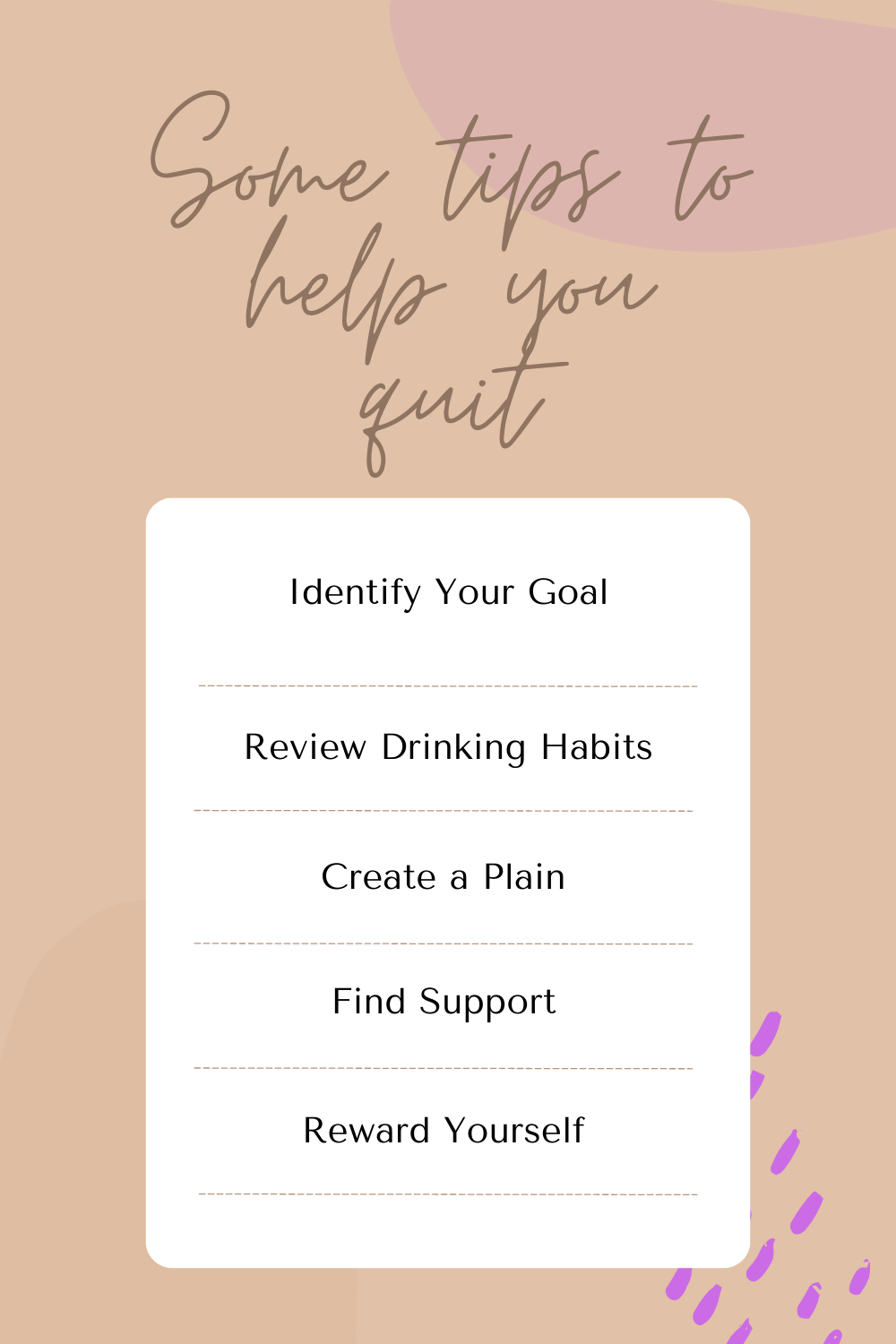
        1. Identify your goal. Are you striving for complete sobriety or moderation management? Why do you want to stop drinking? Identify your goal and write it down.
        1. Review your drinking habits. Take a few minutes to think about why you drink in the first place and how often you do it. When you are more aware of when you feel compelled to drink, you can make a plan to prevent yourself from drinking when the triggers come up.
        • Why do you drink? What triggers the drinking habit? Maybe you find yourself drinking when out at dinner with friends or as a coping mechanism when you feel stressed.
        • How often do you drink? How much do you drink when you do?
        1. Create a plan. Once you’re aware of your drinking habits, you can start creating a plan to stop drinking – especially during the moments you find yourself drinking the most.
        • What will you do instead of drinking when you start craving alcohol? Maybe instead of drinking to relieve stress after work, you can exercise for 30 minutes.
        • Who will you call if you need in-person support? Let that person know what your plan is and what kind of support you might need.
        • Are there any activities you can do instead of drinking on the weekend? Maybe you can replace Friday nights at the bar with Friday nights playing board games. 
        1. Practice how you will respond when offered a drink. Now that you know what situations in which you are likely to drink, practice how you will respond to others in social drinking situations.
        • Find a new drink to enjoy.
        • Decide how you will answer when someone asks you why you don’t drink.
        • Practice your firm yet polite “no, thank you” if someone suggests you drink just one.
        1. Find support. Talk to family and friends about your intentions, as well as what you want to accomplish. Find a community (such as Alcoholics Anonymous) that can support and relate to you while you change your drinking habits.
        2. Reward yourself. Studies show that rewards help train your brain. How can you reward yourself when you choose not to drink? Maybe you can buy yourself chocolate with the money saved from not buying alcohol.
        3. What’s in it for you? Write it down. Research also shows that when you keep reminding yourself of the benefits that you’ll receive from achieving your goals, the actions you regularly take to achieve them lead to permanent change. Remind yourself about the benefits and enjoy them as you experience them.
        • Some benefits include reducing your risk of alcohol-related illness, saving money, more energy in your everyday life, and closer relationships.
        1. Develop a self-care routine. Get to the point where you’re too busy being productive and healthy that you believe a drink of alcohol would ruin it for you. Start exercising more, reading, and eating healthy! Learn or revisit a hobby. Start finding fun ways to take care of yourself.
        1. Don’t give up. You’re bound to have periods where avoiding alcohol is harder than usual or you fall back on your old habits. When this happens, look back at the benefits you’ve written down and reach out to a trusted friend for support. Take a deep breath, remember you are human, and try again.

        Remember that big change takes time.  Whether you want to quit drinking completely or reduce your drinking, you’re making a big change in your life! The steps you take can dramatically impact your health, relationships, and quality of life for the better. 

        You’ve got this!

        To Your Success,
        Juan

        Trouble Staying Sober? Try These Tips


        Many people are able to drink without serious consequences, but there is a significant part of the population that struggles with sobriety. Many people rely on alcohol as a coping strategy. Others develop an actual physical addiction to alcohol. Common signs of alcoholism include:

        • An inability to drink in moderation
        • Overspending on alcohol
        • Craving alcohol
        • Neglecting personal and work responsibilities due to alcohol consumption

        Work, personal relationships, physical health and psychological health can all be negatively affected by drinking alcohol in excess. Increase the odds of staying sober with these useful tips:

        1. Remove all alcohol from your home. Anyone that’s ever been on a diet knows that any food in the house that tastes good will eventually be eaten. The same goes for alcohol. If you enjoy drinking, you’ll eventually break down and drink it if it’s in the house.
        2. Avoid situations that make it easy to drink. Opportunity can equal disaster. Be careful about meeting coworkers at a bar after work. Parties can be another danger zone. Consider taking a date to a location that doesn’t serve alcohol. Be wary of where you spend your time if you want to stay sober.
        3. Re-evaluate your social circle. Spending time with your long-time drinking buddies can be a huge mistake. Do you have friends that always drink on the weekends? Does someone in your family drink frequently?
          • While many people will be supportive of your decision not to drink, there may be some that won’t. You might have to shuffle the people in your life if staying sober is a priority.
        4. Find a group of people that share your challenge. There are many groups, such as Alcoholics Anonymous, that provide support to those who have chosen to stay sober. These groups can be a great place to build friendships with those going through the same struggle.
        5. Exercise. A good workout can clear your head, burn off stress, and reset your brain and your perspective. Exercise benefits you in many ways.
        6. Get help with any mental health issues. Mental health issues can make sobriety much more challenging. Get the help you need to deal with any mental health issues you might be facing.
        7. Find a hobby that you love and do it! Spend time on an enjoyable activity as often as possible. A positive mood makes it easier to avoid drinking. What do you like to do? What would you like to try?
        8. Deal with urges effectively. It’s important to have a plan when the urge to drink arises. There’s no way to avoid the urge to drink completely. What are you going to do when it happens?
          • Call a friend?
          • Call a sponsor?
          • Go for a run?
        9. Reduce the stress in your life. Stress is uncomfortable. When we’re uncomfortable, we tend to do whatever needs to be done to make ourselves comfortable again. Stress can’t be avoided completely but reducing the amount of stress you experience can help reduce the urge to drink.
        10. Address any physical pain. Pain, like stress, is another form of discomfort. And let’s face it, alcohol is pretty effective at reducing pain. See your doctor and deal with any injuries or long-term pain your body might be suffering.

        These tips can help with maintaining sobriety, but the initial steps of becoming sober might require the assistance of health professionals. If alcohol is a serious issue for you, it is likely to be an ongoing struggle for the rest of your life. It’s a battle best fought one day at a time. Alcoholism is a serious disease that requires immediate attention. Get the necessary help you require. You’ll be glad you did.

        To Your Success,

        Juan

        14 Ways to Relax Without Alcohol and Food


        Happy hours can be a great way to unwind after a stressful day at work. You bond with your coworkers, talk about your day, and listen to some upbeat music. On the other hand, if you make such activities a regular routine, you could be taking in more alcohol and empty calories than you want.

        Plus, you may be training yourself to think that consumption is the only way to relax. You can’t remove all the stress from daily life, but you can learn to deal with it without creating more troubles. Start with these ideas for relaxing without alcohol or food.

        Calorie-Free Ways to Relax on Your Own:
        1. Breathe deeply. Pause and take a few calming breaths. Inhale from down in your diaphragm instead of up in your chest. Lengthen your exhalations to match your inhalations. Focus on the air as it moves in and out of your nostrils.
        2. Meditate and pray. Sit down for a few moments and connect with yourself and the divine. Observe your thoughts without judging them. Give thanks for your blessings.
        3. Engage in visualization. Close your eyes and imagine something that makes you feel happy and inspired. Picture yourself surrounded by family and friends or excelling at a task that you find fulfilling.
        4. Draw a bath. Fill your tub with warm water and enjoy a luxurious soak. Buy fragrant bath salts or make your own. Set out fluffy towels, candles, and other accessories of your choice.
        5. Stretch your body. Make it a habit to stand up about every half hour when you’re working at your desk. Place your hands on your lower spine for support, and do a slight backbend. Rise up tall, and reach your hands down to the floor, bending your knees if necessary.
        6. Take a walk. Stroll around the block or hike the trails at your local park. Pick a quiet time of day and explore new routes.
        7. Appreciate nature. Scientific studies prove that nature has the power to soothe us. Head outdoors or watch videos about sandy beaches and ancient forests.
        8. Learn progressive relaxation. Experiment with progressive muscle relaxation. Start with your hands, squeezing each muscle group as you breathe in, and releasing as you breathe out. Continue across the rest of your body. 
        Calorie-Free Ways to Relax with Others:
        1. Practice yoga. Yoga cultivates community as well as stress relief and physical fitness. Bring a friend with you to your next class. Invite others to join you for breakfast afterwards.
        2. Play sports. As long as you avoid extreme competition, sports can be relaxing. Schedule a game of tennis or darts.
        3. Go dancing. Take listening to music a step further by getting out on the dance floor. Sign up for rumba lessons or spend your next date night at a club with a live band.
        4. Pet your dog. Remember your animal companions too. Studies show that talking to them actually tends to be less stressful than interacting with humans because we don’t worry about being judged.
        5. Talk it over. On the other hand, your fellow humans are probably going to have more insights into how to deal with your love life or conflicts at work. Call a friend when you need to vent or discover a different perspective on whatever is on your mind.
        6. Laugh it up. Humor makes our struggles easier to bear. Spend time with others who encourage you to see the funny aspects of parenthood or practicing law.

        Whether you’re on your own or surrounded by friends, you can banish stress safely and effectively. Learning to relax without alcohol or food will help you to stay slim and peaceful. 

        Did you find these suggestions helpful? If you would like to add to the conversation or have a suggestion, please comment below.

        To Your Success,
        Juan


        Enjoy The Party. Without The Cocktails.


        If you feel self-conscious about not drinking alcohol at personal and professional gatherings, it’s time to relax. There are many reasons why adults choose to forego the alcohol, including health issues, religious beliefs, and various individual preferences.

        In fact, about one-third of adult Americans don’t drink any alcohol, and another third consume less than one alcoholic beverage per week, according to government figures. See how easy it is to have plenty of fun and friends without drinking.

        What to Do About Drinking
        If you’re struggling with alcohol dependence, seeking support will help you deal with serious issues that may come up during your recovery. Otherwise, a few practical strategies may be all you need to enjoy a party without cocktails.

        1. Fill your glass. Avoid awkward questions by keeping a drink in your hand or by your plate. Others will assume that you’ve been served.
        2. Bring your own. Most hosts are likely to offer nondrinkers more options than plain old tap water. Still, you can guarantee that your favorites will be on hand by presenting them with a bottle of limeade or a six-pack of non-alcoholic beer.
        3. Offer to drive. Save lives by volunteering to be the designated driver for the evening. Many bars will thank you by letting you drink for free.
        4. Eat something. Cocktails are easier to resist on a full stomach. Have a hearty meal or snack before you go out. Check out the buffet table or snack plates if you get hungry again.
        5. Look ahead. Boost your motivation by anticipating how fresh and alert you’ll feel in the morning. You may also have more money in your pocket when you give up drinking alcohol.

        What to Do About Socializing
        Maybe you drink because you feel it’s expected or because it’s  easier for you to mingle. Below are some alternative ways to connect with family, friends, and business contacts.

        1. Talk it over. If your decision to quit drinking will be a major change, let your loved ones know how you feel. Discuss your hopes and concerns. Explain what kind of support you need.
        2. Rehearse your response. It’s up to you how much you want to tell strangers and acquaintances about your decision not to drink. If so, simple versions usually work best. Tell them you feel better without alcohol or you have to be up early in the morning.
        3. Prepare for small talk. Practice networking and hanging out without alcohol. Put together a few topics for conversation. Plus, if you show others that you’re interested in them, they’ll probably like anything you have to say.
        4. Arrive late. Time your arrival for when the party is reaching full swing. It will make it easier to feel festive and blend in.
        5. Help out. Looking for ways to assist others will take your focus off yourself. Ask your host if you can collect coats or peel lemons. Talk to a guest who’s asking for referrals for a local babysitter or car mechanic.
        6. Suggest other activities. Lots of places serve up entertainment without any alcohol. Go see a play or visit a science museum. Take a walk through a public garden or go hiking at your nearest mountain range.
        7. Make new friends. People who care about you will be happy to make any adjustments they can to support your decision. On the other hand, you might benefit from widening your circle to include more nondrinkers who want to go out for coffee or ice cream.

        Advance planning and clear communications make it simple to socialize without alcohol. You can enjoy interesting conversations and entertaining activities just as much whether you fill your glass with champagne or cranberry juice.  As a reminder, September is National Recovery Month,  you will find helpful resources and links on SAMHSA. 

        To Your Success,
        Juan

        What You Need To Know About Alcohol and Anxiety.


        Let’s face it, if giving up the bottle was as easy as outlined in my last post, my job here would be done,  we could focus on other important things,  maintain sobriety, and live productive, fulfilled lives. Over the next several weeks, the goal is to offer strategies to help us thrive and survive the world of Alcoholism. Do you drink because you are anxious and stressed? Some of my clients often say “I  drink to relax, it calms my anxiety, relieves stress, and helps me sleep” On the other side of the coin, have you noticed you tend to me more aggravated after drinking? 

        TV commercials encourage you to have a drink to relax. Superbowl is one such occasion, we are inundated with beer commercials. However, the relationship between alcohol and anxiety can be more complicated. Many adults can safely drink in moderation. For others, alcohol may cause anxiety or aggravate pre-existing conditions.

        There are several reasons why alcohol tends to disturb your peace of mind. Embarrassing yourself at an office party may be an obvious danger, but there’s also a molecular explanation. Alcohol causes changes in your brain chemicals, including gamma aminobutyric acid (GABA) that’s involved in regulating anxiety.

        Your brain adjusts to the sedating effects of alcohol but may have trouble balancing itself again when your blood alcohol content starts to fall. That could leave you feeling more anxious than when you started, and that uneasiness may last for a day or more. Lifestyle changes and professional help can make a big difference if alcohol and anxiety are disrupting your life. Learn what you can do to turn things around.

        Tips for Drinking in Moderation

        Prolonged heavy drinking often contributes to anxiety. The CDC recommends limiting yourself to one drink a day for women and two for men on the days you do drink.

        1. Plan ahead. Decide what you’re going to drink before you get started. Maybe you’ll skip wine with dinner, so you can have a glass of port afterwards.
        2. Slow down. Sip your Margherita. Order a glass of water in between if you consume more than one alcoholic beverage.
        3. Eat food. Filling up on food allows your body to absorb alcohol more gradually. Fats and proteins are especially useful for slowing the process down. On the other hand, skip the salty snacks that will make you thirstier and more dehydrated.
        4. Enjoy other activities. If you’re used to bar hopping on date nights, go for a hike or visit a science museum instead. Spend your leisure time working on hobbies rather than drinking beer while watching TV.
        5. Resist social pressure. Rehearse what to say if someone asks why you’re turning down a drink. Let your family and friends know you’re trying to cut back, if that is comfortable for you.
        6. Take time off. Celebrate Dry January or the abstinence days of your choice. Taking a break from alcohol gives your body and mind time to recover.

        Other Tips for Coping with Anxiety

        Using alcohol to manage anxiety is likely to backfire. Replace cocktails with the following strategies, that are safer and much more effective.

        1. Take sensible risks. Avoiding things that scare you may be adding to your anxiety. Facing your fears teaches you that you’re strong enough to handle life’s challenges. Start with small projects and work your way up.
        2. Get enough sleep. You’re more resilient when you’re well rested. Aim for 7 to 8 hours of high-quality sleep each night.
        3. Eat healthy. Your diet can help you to relax. Use foods rich in fiber to stabilize your blood sugar. Experiment with foods high in certain minerals, like leafy greens for magnesium and egg yolks for zinc.
        4. Exercise regularly. Working out is a great way to use up nervous energy and benefit your mood.
        5. Seek help. Anxiety is one of the most common mental health issues, affecting almost 20% of the adult population. Search for therapists who have experience treating anxiety and substance abuse issues. You may need to target both areas in order to avoid relapses.

        If you’re struggling with anxiety, a glass of wine may relax you in the short term, but it’s still important to deal with underlying issues. Adopt healthy habits for managing stress and talk with a professional if you need more help.

        You Your Success,

        Juan