Seven Powerful Ways To Practice Gratitude Every Day


Introduction
When you’re in a bad mood, it’s easy to get stuck there. It takes effort to pull yourself out of that funk. And while you’re at it, why not make it easier on yourself by practicing gratitude? Gratitude is scientifically proven to lift your mood and make you happier. And if you practice gratitude regularly, then it becomes a habit. So here are some quick and easy ways to practice:

Keep a Gratitude Journal
The first step in practicing gratitude is to remember what you’re thankful for. To do this, keep a journal. This will help you remember what’s going well in your life and provide motivation to continue focusing on the positive aspects of each day. A gratitude journal can be used anywhere: at home, at work or school, while traveling—the possibilities are endless!

Keeping track of the good things in life is important because it allows us time to reflect on all we have accomplished and experienced during our lives thus far (and those who have influenced us along the way). 

Use a Gratitude Scrapbook
A gratitude scrapbook is a great way to practice gratitude. You can make your own or you can buy one. A gratitude scrapbook is like a regular art journal, but the focus of this book is on things in your life that are wonderful and meaningful.

You should write in your gratitude scrapbook every day and then read what you wrote when you are feeling down or have had a bad day. The act of writing down things that make you happy will help you feel better about what is happening in your life right now because it brings attention to all the things that are going well for you.

Make Gratitude Cards
You can make your own gratitude cards with a computer and card stock, or you can use an old-fashioned method by using scissors and a piece of paper. The idea is to create something that will remind you of what you are grateful for when you look at it. You could even send these cards to friends and family as a way to express your feelings of thankfulness toward them! Or if you prefer, keep them for yourself!

Be Grateful for Your Discomforts
A lot of people think of a discomfort as something to avoid and run away from at all costs. When you’re uncomfortable, it’s natural to want the feeling to go away quickly so you can return to the comfort zone. But if we want to practice gratitude and be happier in life, it’s important that we learn how to appreciate our discomforts as well as our comforts in life—because without them, there wouldn’t be balance!

Create a Gratitude Corner In Your Home
This can be as simple as putting a plant or little figurine in one corner of the room, or you can make it more elaborate. For example, you might put up a picture of someone who inspires you and that reminds you to be grateful for all they have done for humanity (like Mother Teresa). You could also create an entire wall dedicated to being grateful by adding pictures of things that inspire gratitude in you (like friends or family), and adding inspirational quotes around the room. 

Create a Gratitude List Every Day
One of the simplest, most effective ways to practice gratitude is to create a Gratitude List every day.

  • Write down three things you’re grateful for.
  • Don’t write down the same thing every day! Do this for at least 21 days in a row, and see how your perspective changes as a result.
  • Don’t write down the same thing every week! 
  • If you repeat any particular entry more than once within two weeks’ time, put an asterisk next to that item—but don’t stop writing it down! The point here is not about quantity but about quality.

A small change in your focus can make a big difference.
It’s time to use the law of attraction to your full advantage. Let’s be real: it can feel like a lot of work to change your thoughts, especially if  you’re surrounded by negative people and their constant barrage of stressors.  In addition to practicing gratitude, here are some other ways that you can make those positive vibes happen:

  • Be grateful for who you are. Your personality is unique, so don’t ever compare yourself with others. The things that make up “you” aren’t perfect—but neither is anyone else’s! 
  • Exercise gratitude every day through meditation or journaling (it’ll take less than 5 minutes). We tend not think about our blessings until they’re gone—or until we’ve lost something valuable in life like our health or home—but there are always going be things we should be thankful 

Conclusion
In these ways, you can practice gratitude and make your life happier. Which one will you practice today? Are you already incorporating these practices in your life?

To Your Success,
Juan

The Power Of Gratitude: Why You Should Be Expressing It More Often


November! Yikes. 

Let’s take a break from mental health in this month, and focus, on you guessed it, gratitude:). November is Thanksgiving month in the US. If you believe we should be practicing gratitude year round, you are in the right place.

We all know that feeling of gratitude – when someone does something nice for us and we just can’t help but say “thank you.” But did you know that gratitude can actually have a powerful impact on your life? Studies have shown that expressing gratitude can lead to greater happiness, better health, and even improved relationships.

In our fast-paced, constantly-connected lives, it’s easy to forget the power of gratitude. We get wrapped up in our day-to-day worries and stresses and forget to take a step back and appreciate the good in our lives. But the truth is that gratitude is one of the most powerful emotions we can feel. Gratitude has been linked to improved mental and physical health, increased happiness and satisfaction, and even better sleep.

Gratitude has been shown to have numerous benefits for both mental and physical health. Research has shown that gratitude can improve sleep quality, reduce stress and anxiety, and boost immunity. Additionally, gratitude can increase overall happiness and life satisfaction. When we express gratitude, we open the door to more positive experiences and emotions. We also start to attract more good things into our lives. Gratitude is like a magnet for happiness, and the more we express it, the more we will receive.

Given all of these benefits, it’s clear that gratitude is a powerful emotion. Yet, many of us don’t express gratitude as often as we should. Why is that?

There are a few reasons. For one, we often take the good things in our lives for granted. We may not even realize how lucky we are to have certain things. Additionally, we may not know how to express gratitude. We may not want to appear needy or unappreciative In our fast-paced, constantly-connected lives, it’s easy to forget the power of gratitude. We get wrapped up in our day-to-day worries and stresses and forget to take a step back and appreciate the good in our lives. 

So why not make a commitment to expressing gratitude more often? If you’re not sure where to start, try keeping a gratitude journal or simply taking a few moments each day to reflect on the things you’re grateful for. You may be surprised at how much better you feel when you start expressing gratitude on a regular basis.

Take a few moments each day to think about the things you are thankful for. You may be surprised at how much better you feel. Taking the time to intentionally express gratitude can make a world of difference. Try it for yourself and see how the power of gratitude can change your life for the better.

November’s posts will be dedicated to, yes, all things Gratitude:)

To Your Success,
Juan


How To Manage Stress As A Single Parent: Five Tips To Help You Cope


Photo: Sydney  Rae

Any parent knows that raising a family is hard work, but for single mothers, the challenges can be especially daunting. Not only do you have to juggle the demands of work and child-rearing, but you must do it all  on your own. It’s no wonder that stress levels for single parents are through the roof.

Many single parents, especially moms, are experiencing dangerous levels of stress, and they don’t see any way around it. Chronic stress is harmful to your body, mind and spirit. Between work, finances, and caring for the kids, it’s easy to let the little things fall by the wayside. Here are some helpful suggestions:

Don’t be afraid to ask for help from friends or family. They can watch the kids while you run errands or take a break, and they’ll be happy to lend a helping hand. When you have people that you can turn to, you’ll be able to release stress in a positive way. When you need a bit of reinforcement, it helps to know you can pick up the phone and call in backup!
Your support system might consist of family members and friends who are willing to
listen to you vent or even help you around the house.

Remember to take care of yourself both physically and emotionally. Eating right, getting enough sleep, and exercise are all important for managing stress levels. If you’re feeling overwhelmed, talk to a therapist or counselor who can help you develop healthy coping mechanisms. Make time for yourself. Schedule at least 10 to 15 minutes just for you into each day. This time can even be for something simple, like painting your fingernails, taking a hot bath, or reading for pleasure. Your alone time will refresh and revive you!

Plan ahead. The best thing you can do when you’re a single parent is to plan ahead. You’ll find that the simple things in life that often cause the most stress can be managed or outright eliminated when you plan ahead. Prepare meals in advance and freeze them until you’re ready to use them. Have everyone put out their clothes the night before, shoes by the front door, so getting the day started will be a breeze.

Involve the kids. You can’t do everything by yourself, so get your kids involved in getting things done. Any help they are able to contribute will save you a lot of time and stress each day, plus it’s teaching them the importance of responsibility and contributing to the family. Teach them age-appropriate tasks like cleaning their room, doing laundry, making the grocery list, planning meals, cooking, taking out the trash, vacuuming, cleaning the bathrooms, and so on.

Know your limits. When a friend, co-worker, or family member asks something of you that you know you can’t do, say no. It may not make the other person happy, but knowing your limits can help you from being overworked unnecessarily. If you don’t respect your time, who else will?

These are all very simple, yet effective, ways to deal with the stress of being a single parent. These tips won’t do away with stress altogether, but they’ll help you manage it in a way that will allow you to get things done and enjoy your life and kids. Your kids will only be small for a short time, and you don’t want to waste these years in a stressed out daze. Instead, take advantage of the here and now by incorporating these stress management tips into your life. 

With a little bit of planning, help, and effort, you can juggle being both the parent and
provider of your family. Which one of these suggestions will you implement today?!

To Your Success,
Juan

The Scary Ways Stress Affects Our Health. Conclusion


Welcome Back to the LETS TALK ABOUT STRESS series!

Diet and eating habits
When you’re under stress, you may find yourself turning to unhealthy comfort foods or overeating. You may also have trouble sleeping, which can lead to fatigue and make it even harder to make healthy choices. There some things you can do to try to improve your situation. First, try to identify the sources of your stress and determine what you can eliminate or reduce. If work is a major source of stress, how can you change your job or reduce your workload. If you’re dealing with personal issues, talk to a therapist or counselor.

In addition to making changes in your life, you can also take steps to improve your diet and eating habits. Eat regular meals and snacks throughout the day to keep your energy up, and make sure to include plenty of fruits, vegetables, and whole grains. Avoid sugary and fatty foods as much as possible,  limit caffeine and alcohol intake. Exercise regularly, get plenty of sleep, and take time for relaxation and fun activities that help reduce stress.

How Stress affects your overall well-being.
When you experience stress, your body goes into fight-or-flight mode. This causes a number of changes to occur, including an increase in your heart rate and blood pressure, as well as a release of stress hormones like cortisol.

While some amount of stress is normal and even necessary (it helps you to stay alert and perform under pressure), chronic stress can have negative effects on your health. Over time, it can contribute to conditions like anxiety, depression, heart disease, and even obesity.

There are a number of things you can do to manage stress and improve your overall well-being. Exercise, relaxation techniques like meditation or deep breathing, and getting enough sleep are all good options. You can also try to keep a positive outlook and find ways to better cope with stressful situations.

How to manage Stress to improve your health
Stress is a common problem that can have a negative impact on your health, it can make it difficult to manage other health conditions. There are many different ways to manage, the best approach may vary depending on the situation. Some people use relaxation techniques, such as yoga or meditation. Others may find that exercise or journaling helps to relieve stress.

If you are struggling to cope with stress, it is important to talk to your doctor or a mental health professional. They can help you to identify healthy coping mechanisms and develop a plan to improve your overall health.

What are your thoughts? Sound off below! See you in a few days!

To Your Success,
Juan

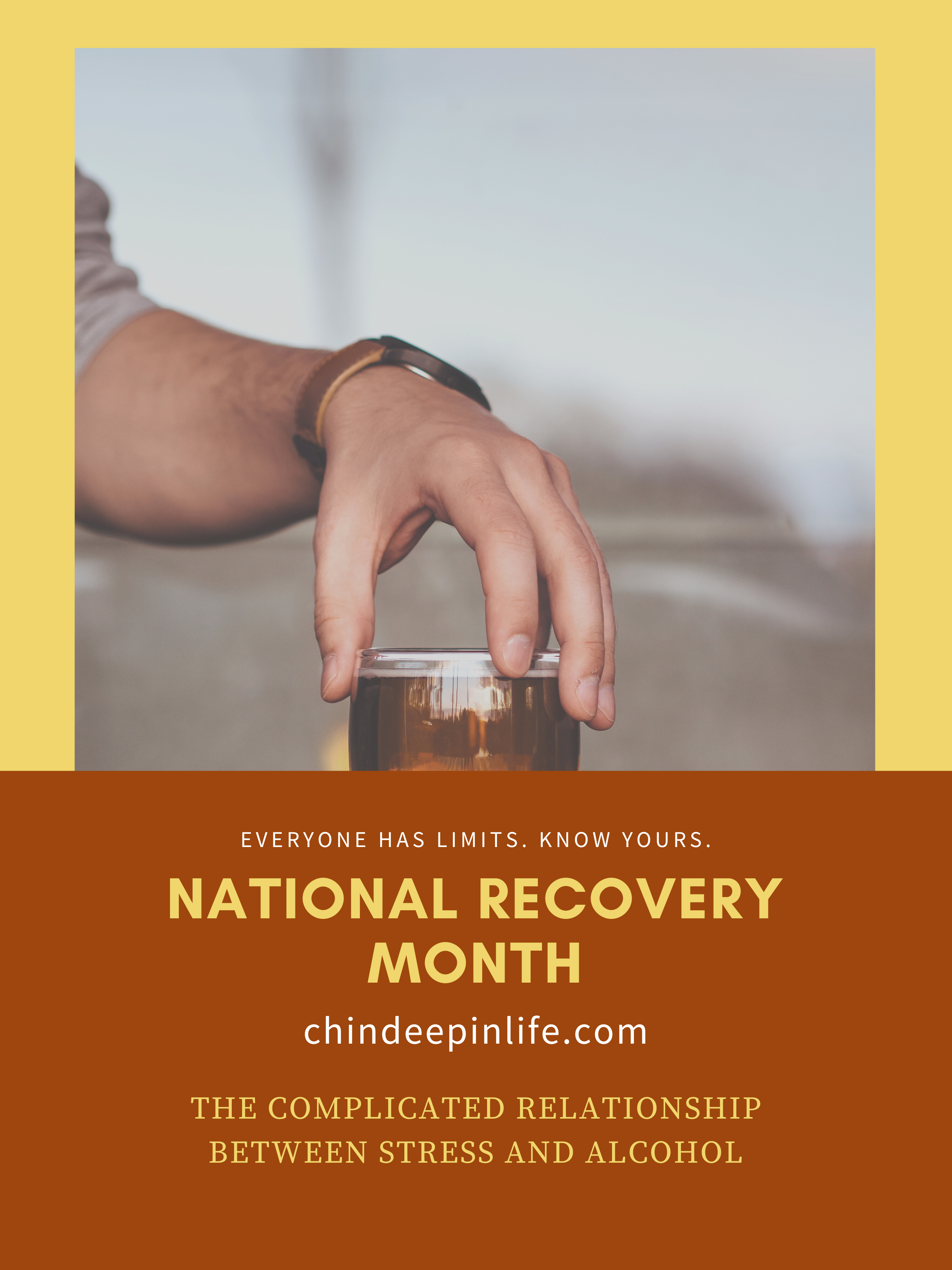
Alcohol and Stress


A few days ago, I provided helpful tips which should help if you are struggling with anxiety and Alcoholism. Stress and anxiety often go hand in hand, so let’s examine how the role stress plays in this addiction.

Alcohol and stress have a complicated relationship. An occasional drink can help you to feel happier and more relaxed. On the other hand, heavy and prolonged consumption increases your risk for anxiety, depression, and other undesirable consequences.

Much of this is due to how alcohol affects your brain. When you’re healthy, your body deals with stress by increasing hormones like cortisol that prepare you for action, and then quickly restoring the usual levels once the challenge has passed.

Relying on alcohol disrupts this balance. Your stress responses become less efficient, and you may build up tolerance, so you have to drink more to achieve the same effects. Meanwhile, your drinking may create additional sources of tension. You may develop mental and physical health issues, and your drinking may interfere with your relationships and career.

You can break the cycle if stress is making you drink more, and your drinking is causing more stress. Try these tips and reach out to your doctor and your loved ones if you need more support.

Tips for Dealing with Stress:

  1. Think positive. Pay attention to the wonderful things that happen each day. Remember that hardships are temporary. Try to find the humor in difficult situations.
  2. Plan ahead. Identify potential obstacles before they occur. It’s easier to stay calm when you recognize your options and have a plan of action to pursue.
  3. Focus on solutions. Devote your energy to overcoming a challenge rather than complaining about it. Concentrate on the things you can change. Find ways to turn setbacks into opportunities for learning and growth.
  4. Eat healthy. Self-care makes you more resilient. Nourish your body and mind with a balanced diet rich in whole foods and fiber. Limit your intake of sugar, salt, and empty calories.
  5. Sleep well. High quality sleep promotes healing. Go to bed at the same time each night so you’ll wake up feeling alert and refreshed.
  6. Exercise regularly. Physical activity reduces stress hormones and lifts your spirits. Enjoy a variety of workouts so you’ll stay motivated while you build up your strength and condition your heart.
  7. Live mindfully. Meditation and deep breathing can help you calm uncomfortable emotions and racing thoughts. Practice on your own or browse for instructional videos and apps online.

Tips for Drinking in Moderation:

  1. Set limits. Decide how many drinks you’ll have before you get started. That way you’re less likely to overindulge. You may also want to schedule alcohol-free days or weeks.
  2. Slow down. Pace yourself by sipping your wine. Stay hydrated with a glass of water in between each alcoholic drink.
  3. Eat a snack. Alcohol enters your bloodstream more gradually when you have food in your stomach. You still need to drink responsibly, but a snack gives you some extra protection.
  4. Resist peer pressure. Do you find yourself drinking more when you’re around some of your friends or coworkers? Create strategies for dealing with such triggers, like suggesting activities that don’t involve alcohol.
  5. Avoid binge drinking. There’s a big difference between having one drink a day for a week and having 7 drinks in one evening. Stick to the conventional guidelines for no more than 1 or 2 drinks a day.
  6. Ask for help. Moderate drinking is safe for most adults, but you may need to give up alcohol if you have certain medical conditions. Talk with your doctor about the appropriate decision for you.

Positive thinking, relaxation practices, and self-care are more effective than alcohol when it comes to handling stress. If you think your drinking may be affecting your health and wellbeing, call a community hotline or ask your doctor about resources that can help you get back on track. 

September is National Recovery Month. SAMSHA is a US government website with a huge list of helpful resources. Get started today. Help is available 24/7 by calling or texting the Crisis Hotline : 988

You your success, 

Juan


Those Pesky Evening Snacks!


If you’re trying to lose weight, you may want to stop eating in front of the TV at night. A recent study presented at the European and International Conference on Obesity adds to the growing evidence that when you eat can matter almost as much as what you eat.

Researchers found that the average adult consumes nearly 40% of their daily calories after 6 pm, and hunger typically peaks at about 8 pm. Unfortunately, that’s long after you’ve probably completed most of your usual physical activities. Late night meals and snacks also tend to involve less nutritious food choices. You’re more likely to open a bag of chips than to toss a green salad.

That means you’re likely to go to bed with elevated blood sugar, which leads to storing more calories as body fat and increasing your risk of diabetes. Plus, digesting heavy meals can disrupt your sleep, causing an increase in appetite hormones and more weight gain. Breaking the cycle will help you to eat healthier and slim down. Scary stuff!Try these suggestions for changing your eating schedule to one that supports your health.

How to Eat More of Your Calories Earlier in the Day
  1. Change your bedtime. Do you skip breakfast because you run out of time? Go to bed earlier so you can avoid the rush and wake up feeling refreshed.
  2. Drink water. You lose about one liter of water due to breathing and perspiring each night. Rehydrating will make you feel more alert and stimulate your appetite.
  3. Go outside. Morning light gives you energy too. Make breakfast more appealing by working out outdoors first and eating on your balcony.
  4. Choose delicious foods. If you think cereal and milk is boring, try less conventional options. Eat grilled fish or black bean soup for the first meal of the day.
  5. Make it convenient. A nutritious breakfast can be simple. Heat up leftovers from last night’s dinner. Prepare the ingredients for a smoothie the night before and store it in your refrigerator.
  6. Stop for lunch. You’ll be more productive if you leave your desk for lunch. Pack a balanced meal you can bring with you. Browse online to find nearby restaurants with healthy takeout menus.
  7. Carry snacks. Keep a cooler in your car filled with healthy treats. Put them in your desk drawer too. Smart choices include nuts, string cheese, high protein cereals, and cut vegetables.
How to Cut Back on Late Day Calories:
  1. Plan your menu. Decide what you’re going to eat in advance. That way you’ll be less likely to accidentally binge on pizza or a whole pint of ice cream.
  2. Cook at home. Making your own meals lets you control the ingredients. Restaurant fare usually has more fat, salt, and sugar. I can’t be the only one who needs. nap after eating Chinese
  3. Limit portions. Serve meals on individual plates instead of family style bowls that encourage additional helpings. Buy single-serving snacks or take out 2 cookies instead of bringing the whole bag into the TV room.
  4. Leave the table. Lingering around the dinner table may extend your eating time. Go to another room or clear away the dishes if you want to talk.
  5. Focus on protein. Your body uses protein more effectively if you spread it out throughout the day instead of eating most of it at dinner. For evening snacks, a little protein will help you to feel full and stabilize your blood sugar.
  6. Brush your teeth. Try to stop eating at least 2 hours before bed. Brushing your teeth may remind you that the kitchen is closed until morning.

Knowing when to eat can make losing weight and eating a nutritious diet easier. Enjoy a hearty breakfast and lunch and lighten up on dinner and evening snacks with these strategies.

To Your Success,
Juan

Your Relationship With Food


While I don’t think there is anything wrong with occasional over eating, after all, many things propel us to gorge ourselves into a food coma. Relationship ending, failing an exam, being let down by others, etc.  However, you cannot ignore there is a problem, when you hide the habit from others, feel ashamed, and tried to stop on your own.

Overeating can have many causes, but they all produce the same result. You gain weight and feel like you’re out of control. While you may  blame yourself for lacking willpower or not trying hard enough, there could be something else at work. The real reasons (besides the mental and psychological aspects) why you eat more than you intend, may surprise you, and some are relatively easy to fix. 

There are many common lifestyle habits that tend to undermine a healthy diet. Take a look at this list to find out which things you’ll want to do differently.

Dealing with Eating Habits That Make You Overindulge:

  1. Be flexible. You may think you’re being virtuous for starting a super-strict diet, but being too rigid can backfire. Allowing yourself a few treats can keep you from feeling so deprived, that you wind up eating an entire pizza.
  2. Shrink your menu. On the other hand, planning your meals and snacks around a limited number of healthy foods can help you eat less. The lack of variety dampens your appetite.
  3. Eat mindfully. A lot of overeating happens when you’re busy with something else. Sit down and pay attention to your food instead of watching TV. Beware of nibbling while you’re preparing meals or lingering at the table after dinner.
  4. Slow down. A leisurely pace gives your brain time to tell your stomach that you’re full. Chew thoroughly and pause between bites.
  5. Listen to cravings. Intense urges are usually trying to tell you something important. Eating light snacks can keep you from getting so hungry that you long for junk food.
  6. Avoid low fat foods. Did you know that low fat foods are usually only about 10% lower in calories? Plus, they’re often higher in sugar and sodium, which can make you want to eat more.
  7. Limit artificial sweeteners. Sweetness is one of the signs your brain uses to try to determine how much to eat based on how many calories a food has. Artificial sweeteners make those calculations difficult. Over time, your brain loses the ability to make correct judgements.

Dealing with Other Lifestyle Habits That Make You Overindulge:

  1. Sleep well. A lack of sleep can make you want to eat more and make it difficult for your body to digest food efficiently. Go to bed early on a consistent basis so you can get at least 7 hours of sleep each night.
  2. Socialize wisely. We tend to eat more when we have company. Be especially vigilant when you’re enjoying holiday dinners and office parties. Try to find a lunch mate who eats healthy, so you can support each other.
  3. Exercise more. Physical activity burns calories and helps to fight depression and anxiety, which can lead to overeating. Aim to work out at least 30 minutes a day 3 times a week.
  4. Deal with your feelings. While it’s natural to associate food with celebrations and comfort, it’s important to have other ways of managing your emotions. Call a friend or write in your journal.
  5. Talk with your doctor. A slice of cake rarely does much harm, but sometimes there are deeper issues at work. If you binge frequently or feel guilty and ashamed about your eating, talk with your doctor. Effective treatments are available.

Understanding the reason why you overindulge is the first step in finding solutions that enable you to stick to a balanced diet, and maintain a healthy weight. Use these tips to take control of your eating, so you can stay fit and enjoy your food more.

To Your Success,
Juan


Get Back In The Driver’s Seat


Is your life out of balance? From time to time, our lives can feel out of control. You spend too much time focussed on work, and your family life suffers. Or you spend too much money on your social life, and your finances suffer. Maybe you’re running yourself ragged and your health is taking a back seat. If this sounds like you, then I hope the following tips help!

Regain balance in your life with these strategies:

  1. Identify the different parts of your life. If you were going to divide your life into columns, what would the column headings be? For most of us, they would include family, work, health, finances, and social life. You might have additional categories such as music, spirituality, and volunteering.
  2. Start with your health. Is your health negatively impacted by your lifestyle? Are you getting enough sleep? Are you eating properly? How much exercise are you getting each day? Have you been to the doctor lately? How is your bodyweight? What can you do to improve your health?
  3. Evaluate your family life. Does your family only get attention when you have time left over from your other obligations? Are you spending enough time with your partner and children? What do each of them need right now? How can you provide it to them? How can you enrich your relationship with your family?
  4. Is your social life getting too much attention or not enough? Have you lost track of your friends? Is your family upset that you’re spending too much time socializing? Or maybe your overactive social life is causing challenges in other areas of your life. Consider what changes would help balance out your social life.
  5. Take a look at your values and priorities. What is most important to you? You can’t have it all unless your wants are quite limited. Make a list of your values and priorities. Alter your life to emphasize those things.
  6. Where are you wasting time? Perhaps you can bring your life back into balance by freeing up more time for what’s most important to you. First, identify how you’re wasting time and eliminate or minimize those activities.
  7. Learn to say “no”. There’s not enough time in the day to say “yes” to everything that crosses your path. This goes back to your priorities. One of the most effective ways to regain balance in your life is to eliminate the unnecessary. What can you live without? What will you be glad to get off your plate?
  8. Be grateful for what you have. When you’re feeling overwhelmed, it can be easy to see the dark side of things. Remind yourself of how much you have in your life already. With a positive outlook, you’ll have a better chance of making progress. Begin each day with a grateful heart, try gratitude meditation, works wonders.
  9. Make a plan. Once you have a few ideas, make a plan on how you intend to put them into practice. Avoid the mistake of believing that identifying the cure is a cure in itself. It’s necessary to take action.

Everything gets out of balance once in awhile, including your life. The key is recognizing the challenge you face and setting priorities. Eliminate those things that don’t add value to your life so you have more time for the things that do. Take control of your life and create a life that truly fulfills you.

Here is a simple, free. Defining-Your-Life-Purpose-Goals-Worksheet-IV to kick things off. 

To Your Success,

Juan

How To Avoid Losing Yourself In a Relationship


Does the rest of your life suffer when you fall in love? Do you have a tendency to lose yourself in a relationship? I certainly have! Looking back, it’s rather terrifying, how easily and completely depended on another for “life support”?

It’s natural to be swept away when you first start dating someone new. The trouble starts when you no longer recognize who you are. It can happen in healthy relationships, especially if you have unrealistic expectations about romance. In less healthy relationships, it’s not too difficult if your partner tries to pressure or manipulate you into becoming dependent on them. Research Narcissist Personality Disorder. It’s a real thing. 

Learn how to balance love with the rest of your life. Try these tips for having a more fulfilling relationship with yourself and your partner. You can tell that you’re sacrificing too much if you know where to look.

Spotting the Warning Signs

  1. Maintain other connections. Neglecting your family and friends is one of the most common and obvious signs. Make time for them in your schedule. When you’re with them, be sure to talk about more than your new love interest.
  2. Do your job. Are you too distracted to meet deadlines and participate in meetings? Keep your mind on work when you’re at the office. Save personal calls and texts for lunchtime if necessary.
  3. Watch your spending. Maybe you’re celebrating a little too much with shopping sprees, overeating, or other indulgences. The sooner you slow down, the easier it will be to fix the damage.
  4. Enjoy your hobbies. It’s great if your partner introduces you to new interests but beware of giving up the things you love just to please them. For example, you can take a class while they go to a hockey game.
  5. Voice your opinions. Speak up for yourself. Let your partner know you like jazz more than hip hop. It’s natural to disagree sometimes.

Being Proactive

You may have noticed that even when you start a new relationship, you soon fall into the same patterns you established with your last partner. If you want things to turn out differently, you’ll need to address your personal issues. Albert Einstein said: “Doing the same things over and over, and expecting the same results is insanity”

Keep these tips in mind:

  1. Boost your self-esteem. Make yourself a priority. Remember that you are worthy of love and respect just as you are. Treat yourself with compassion and repeat positive affirmations.
  2. Create boundaries. In a healthy relationship, partners encourage each other to set their own ground rules. Explain what you need and what you find unacceptable.
  3. Set goals. You’re less likely to lose yourself if you’re excited about other aspects of your life. Develop passion projects that motivate you to learn and grow. As a bonus, you’ll probably make yourself more interesting.
  4. Practice self-care. Treating yourself well makes you stronger and more resilient. It also reminds you of your worth. Eat a balanced diet and exercise regularly. Sleep well and deal with stress constructively.
  5. Spend time alone. Do you enjoy your own company? It’s important to have a healthy relationship with yourself in order to bond with others. Solitude gives you an opportunity to increase your self-awareness and center yourself.
  6. Take a break. If you’re dissatisfied with your love life, you might benefit from giving up dating for a while. Use the time to examine your dating criteria and form new habits.
  7. Consider counseling. Working with a therapist might help too. That’s especially true if you’re trying to recover from an abusive relationship or think that childhood issues are affecting your adult behavior.

Hold onto your identity when you’re in a relationship. Losing yourself is too high a price to pay for wanting to be a couple. You and your partner deserve to feel secure and loved for who you are. 

Wishing You Well,

Juan


Get Clear on Why You Care So Much


One way to learn to stop caring so much about irrelevant issues and thoughts of others is to dig in deep and study yourself in a new way to get to the bottom of the reasons you care so much. Three ways help you get clear on why you care so much that you can use.

Journaling 
You can use your computer, buy a specialized journal, or you can simply use a notebook you have created to journal. It’s up to you what type of system you use and whether it’s modern or analog. The important part is that you try to use your journal to express your thoughts, emotions, and stream of consciousness about a problem you’re trying to solve or a feeling you’re trying to explore without judgment or censoring.  Write in your journal every day when you’re trying to understand why you care so much. You may end up discovering your life purpose or a new reason for getting up each day, one you had not realized before. 

Meditation
Before you use your journal, it can help to clear your mind using meditation. Meditation practice is all about not thinking and not judging your thoughts or feelings even as they still happen during the meditation.  Each time you meditate, you can have a purpose of self-discovery, or goal to clear your mind and relax.  To practice this type of meditation, you’ll want to find a quiet, comfortable place to sit or lay down. Concentrate on your goals for the meditation, close your eyes, and start focusing on your breathing.  Think about the situation you’re trying to understand for a moment, then clear your mind. If any intrusive thoughts come in, brush them aside by refocusing on your breathing. You mustn’t allow any outside information or sensation to distract you during this time.  Many You Tube videos offer instructions and help.

Therapy
Today, we are fortunate to be able to access psychological therapy from the comfort of our homes using your computer or smartphone. Numerous companies offer this service and varying price points. In addition, many insurance companies include several sessions as part of your benefits.  If you seek therapy, make sure you find someone experienced working with you on overcoming people-pleasing and putting yourself last in life. Remember, your wants and needs matter too. Most therapists can guide you through the self-discovery process, to finally know what you want, regardless of what others think

Any or all three of these methods, help you become crystal clear regarding your motivations to seek approval from others and even help you stop doing it. Remember, what you want from life is important too, and following someone else’s dreams will never get you what you want and, more importantly, content in your life. 

Wishing You Well,
Juan